Gesamtpreis (1 Artikel Artikel):
Versandziel:

saumaise claudius (22 Ergebnisse)
Direkt zu den wichtigsten Suchergebnissen
Suchfilter
Produktart
- Alle Product Types
- Bücher (20)
- Magazine & Zeitschriften (Keine weiteren Ergebnisse entsprechen dieser Verfeinerung)
- Comics (Keine weiteren Ergebnisse entsprechen dieser Verfeinerung)
- Noten (Keine weiteren Ergebnisse entsprechen dieser Verfeinerung)
- Kunst, Grafik & Poster (2)
- Fotografien (Keine weiteren Ergebnisse entsprechen dieser Verfeinerung)
- Karten (Keine weiteren Ergebnisse entsprechen dieser Verfeinerung)
- Manuskripte & Papierantiquitäten (Keine weiteren Ergebnisse entsprechen dieser Verfeinerung)
Zustand Mehr dazu
- Neu (Keine weiteren Ergebnisse entsprechen dieser Verfeinerung)
- Wie Neu, Sehr Gut oder Gut Bis Sehr Gut (1)
- Gut oder Befriedigend (5)
- Ausreichend oder Schlecht (Keine weiteren Ergebnisse entsprechen dieser Verfeinerung)
- Wie beschrieben (16)
Einband
Weitere Eigenschaften
- Erstausgabe (4)
- Signiert (Keine weiteren Ergebnisse entsprechen dieser Verfeinerung)
- Schutzumschlag (Keine weiteren Ergebnisse entsprechen dieser Verfeinerung)
- Angebotsfoto (14)
Sprache (2)
Gratisversand
- Kostenloser Versand nach USA (Keine weiteren Ergebnisse entsprechen dieser Verfeinerung)
Land des Verkäufers
Verkäuferbewertung
-

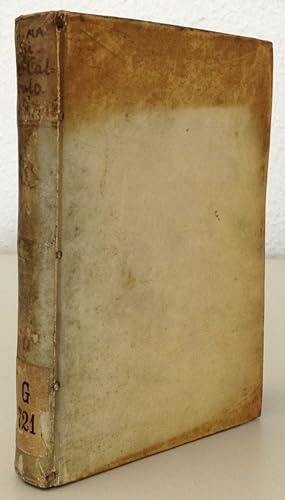
Claudius Salmasius. Ein Philolog. Kupferstich-Porträt.
Verlag: Ohne Ort um 1660., 1660
Anbieter: Antiquariat Dennis R. Plummer, Bingen am Rhein, Deutschland
Verkäuferbewertung 5 von 5 Sternen

Kunst / Grafik / Poster
1 Blatt, verso weiß. Zustand: Gut. Oval ca. 14 x 12 cm, Blatt ca. 21 x 16,3 cm. Brustbild-Portrait im Oval, darunter Inschrift. Zeigt den französischen Altphilologen und Universalgelehrten Claudius Salmasius (1588-1653). - Gutes Exemplar. Sprache: Deutsch Gewicht in Gramm: 150.
-
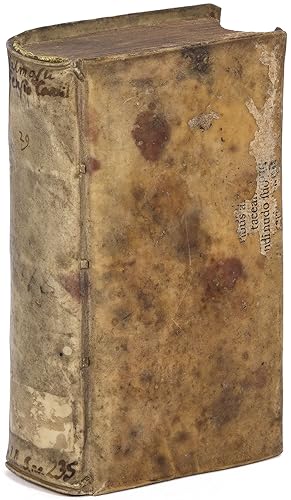
Defensio Regia, pro Carolo I, ad sereniss. Magnæ Britanniæ regem Carolum II
Verlag: Sumptibus Regiis, [Leyden?], 1650
Anbieter: Between the Covers-Rare Books, Inc. ABAA, Gloucester City, NJ, USA
Verbandsmitglied: ABAA ESA ILAB IOBA
Verkäuferbewertung 5 von 5 Sternen
Softcover. Zustand: Good. 12mo. [20], 472pp. Text in Latin. Contemporary parchment with yapp fore-edges. Armorial bookplate on front pastedown, early small library stamp on title page alongside "Doublette" ink stamp. The parchment is moderately soiled, front cover is discolored, lacking front free endpaper, else good or better with light soiling on title page. First published in 1649, this is an early issue of Claude Saumaise's royalist tract written in defense of Charles I after his execution in January, 1649. The book provoked an attack by John Milton in his *Defensio pro Populo Anglicano contra Claudii Salmasii Defensionem Regiam* (1651). *OCLC* locates only eight copies.
-
DEFENSIO REGIA, PRO CAROLO I.
Verlag: [B. & A. Elzevirius], [Lugduni Batavorum], 1649
Anbieter: Second Story Books, ABAA, Rockville, MD, USA
Verkäuferbewertung 4 von 5 Sternen

Hardcover. 12mo., 444 pages; VG; bound in contemporary full vellum, ink writting to spine; mild wear to boards; name in ink to title page. JR Consignment. Shelved in Case 0. Madan 3; Claude de Saumaise, French humanist and philologist, wrote this his royalist tract provoked by the execution of Charles I. It was published anonymously in November 1649, and was probably sponsored by Charles II, who is thought to have paid a hundred pounds for its printing. Supporting the Stuarts and defending the divine right of monarchy, Saumaiseís work goaded the famed response from John Milton Pro Populo Anglicano Defensio, published in 1651. He wrote his work in Latin and it was censored in England, one of the censors being John Milton. Dutch Protestant printers produced these works in large numbers and their bibliography is incredibly complex: false imprints, no imprints and lack of dates being frequent. The deception was fired by the greed of the same printers competing for the Spanish theological printing contracts and so guarding their anonymity. It is for this reason that the order of precedence of these printings is very difficult to identify. 1345463. Shelved Dupont Bookstore.
-
DEFENSIO REGIA, PRO CAROLO I.
Verlag: [B. & A. Elzevirius], [Lugduni Batavorum], 1649
Anbieter: Second Story Books, ABAA, Rockville, MD, USA
Verkäuferbewertung 4 von 5 Sternen
Hardcover. 12mo., 444 pages; VG; bound in modern full paneled calf by Jon Robbins, mild fading to spine, new label to spine; mild wear to boards; author's name in ink to title page. JR Consignment; shelved in Case 0. Claude de Saumaise, French humanist and philologist, wrote this his royalist tract provoked by the execution of Charles I. It was published anonymously in November 1649, and was probably sponsored by Charles II, who is thought to have paid a hundred pounds for its printing. Supporting the Stuarts and defending the divine right of monarchy, Saumaiseís work goaded the famed response from John Milton Pro Populo Anglicano Defensio, published in 1651. He wrote his work in Latin and it was censored in England, one of the censors being John Milton. Dutch Protestant printers produced these works in large numbers and their bibliography is incredibly complex: false imprints, no imprints and lack of dates being frequent. The deception was fired by the greed of the same printers competing for the Spanish theological printing contracts and so guarding their anonymity. It is for this reason that the order of precedence of these printings is very difficult to identify. Madan 3. 1345466. Shelved Dupont Bookstore.
-

DE ANNIS CLIMACTERICIS ET ANTIQUA ASTROLOGIA DIATRIBAE
Verlag: Elzevier, Leiden, 1648
Anbieter: Ancient World Books, Toronto, ON, Kanada
Verkäuferbewertung 5 von 5 Sternen
Hardcover. Zustand: Very Good-. Zustand des Schutzumschlags: No Dust Jacket. Woodcut title vignette, devices and initials, contemporary vellum, yapp edges. Ink letters to top corner of first pages (from a to i). Small circle institution stamp to titlepage and to obverse of titlepage (University of London) and last page. Light Ink lines (1 or 2) and very minor ink notes (1 page) to index pages (about 6 pp). Rear inner cover shows faint evidence of removed plate. Small 1 cm tear near top of gutter of ffep. Former owner's name to ffep. Some foxing. Some darkening to vellum binding. ; [136] pp + 844 pp + [18] pp. "attack upon astrology by Claude Saumaise or Salmasius, the great French classical scholar, in his De annis climactericis, a long work published at Leyden in 1648" (Thorndike VII, 103). ; 990 pages.
-
Plinianae exercitationes in Caii Julii Solini Polyhistora Volume 1 & 2
Verlag: C Morellum, Parisiis Paris, 1629
Anbieter: Victoria Bookshop, BERE ALSTON, DEVON, Vereinigtes Königreich
Verkäuferbewertung 4 von 5 Sternen
Erstausgabe
EUR 930,52
EUR 11,24 Versand
Versand von Vereinigtes Königreich nach USAAnzahl: 1 verfügbar
In den WarenkorbHardcover. Zustand: Good+. First Edition. Folio. 2 volumes.Volume 1 1-824pp & Volume 2 285-1367pp + index Salmasius, Claudius 1588-1653, French humanist and philologist. Salmasius is known in French as Claude de Saumaise. After studying Latin and Greek with his father, he began a law career at Dijon in 1610. He turned to the study of theology, Hebrew, Arabic, and Persian when his Protestantism impeded his advancement in law. In 1631 he was called to the Univ. of Leiden to succeed Joseph Scaliger. There he produced 80 books and became widely known as a scholar of the first rank. Supporting the Stuarts, he wrote Defensio regia pro Carlo I (1649), upholding the divine right of monarchy, which brought a celebrated dissenting reply from John Milton. Salmasius major works include an important commentary on Pliny (1629), and Observationes in jus Atticum et Romanum (1645). In 1629 Salmasius produced his magnum opus as a critic, his commentary on Solinuss Polyhistor, or rather on Pliny, to whom Solinus is indebted for the most important part of his work. Greatly as this commentary may have been overrated by his contemporaries, it is a monument of learning and industry. Bookplate of MP Charles Bathurst. Piece missing from top spine volume 1. Book.
-
Cl. Salmasii Epistola ad Andream Colvium : super Cap. XI. Primae ad Corinth. Epist. de Caesarie Virorum et Mulierum Coma [ Suivi de : ] Judicium & Consilium De Comae & Vestium usu et abusu, Deductum Ex. I ad Corint. cap. II.I ad Timoth & Tit. c.2 atque I Petr. cap. 3 a Iohanne Polyandro à Kerckhoven,S.S. Theol. Doct. ejudemsque Professore primatio in Academ. Leydensi [ Editions originales ]
Sprache: Latein
Verlag: Ex Officina Elzeviriorum, 1644
Anbieter: Librairie du Cardinal, GRADIGNAN, Frankreich
Verkäuferbewertung 5 von 5 Sternen
Erstausgabe
rigide. Zustand: Assez bon. 1 vol. petit in-8 reliure de l'époque plein veau brun, dos à 5 nerfs orné, Ex Officina Elzeviriorum, Lugd. Batavor. [ Leyde ], 1644, 747 pp. (avec erreurs de pagination pages 143, 205, 556 et 600), 2 ff., 76 pp. Rappel du titre complet : Cl. Salmasii Epistola ad Andream Colvium : super Cap. XI. Primae ad Corinth. Epist. de Caesarie Virorum et Mulierum Coma [ Suivi de : ] Judicium & Consilium De Comae & Vestium usu et abusu, Deductum Ex. I ad Corint. cap. II.I ad Timoth & Tit. c.2 atque I Petr. cap. 3 a Iohanne Polyandro à Kerckhoven,S.S. Theol. Doct. ejudemsque Professore primatio in Academ. Leydensi [ Editions originales ] Extraordinaire recueil réunissant l'édition originale de deux ouvrages (le plus important rédigé par l'érudit protestant d'origine bourguignonne Claude Saumaise) consacrés au sujet de la coupe et de la longueur des cheveux ! Imprimé en gros caractères, ces deux écrits se rattachent "à une polémique bizarre qui passionna et tint divisés durant des années les plus fameux docteurs de l'église évangélique hollandaise. Le roi Louis XIII, qui portait toute sa chevelure, avait introduit et fait prévaloir la mode des cheveux longs. Cette innovation choqua bon nombre de ministres protestants. S'appuyant sur un passage de la première épître de Paul au Corinthiens, ils tonnèrent en chaire contre une pratique qui leur paraissait entachée d'hérésie, et songèrent sérieusement à exclure de leurs temples les fauteurs du scandale. Un professeur d'Utrecht, Charles de Maets, se mit à la tête de cette croisade, et déduisit ses raisons dans un copieux recueil [ . ] D'autres voix s'élevèrent en faveur de la tolérance [ Polyander rédigea la consultation que l'on trouve in fine dans ce volume ] Saumaise n'était pas homme à laisser passer une si belle occasion de déployer son érudition. Tout d'abord il se déclara le champion de la liberté des coiffures, et descendit dans l'arène armé [ de ce ] formidable factum [ . ] Toute cette érudition fut dépensée en pure perte. Le public resta indifférent. En dépit des objurgations et des anathèmes, la mode prévalut, et chacun continua à se coiffer à sa guise" (Willems, 143 ). De la bibliothèque du magistrat, industriel et collectionneur Jean-Baptiste Gluc, baron de Saint-Port (1674-1748). Etat très satisfaisant (mq. en coiffes, rel. un peu frottée, bon état par ailleurs, ex-libris J. B. de S. Port). Papillon, Bibliothèque des Auteurs de Bourgogne, 262 Langue: Latin.
-
De annis climactericis et antiqua astrologia diatribae.
Sprache: Latein
Verlag: Elzevir,, Leiden, 1648
Anbieter: Antiquariat Winfried Kuhn, Berlin, Deutschland
Verkäuferbewertung 2 von 5 Sternen

Hardcover. Zustand: Sehr gut. Holzschnittdruckermarke auf Titel, einige Textholzschnitte, (64 Bl.), 844 S., (9 Bl.). Pergamentband der Zeit mit handschriftlichem Rückentitel. - Einzige Ausgabe dieser "attack upon astrology by Claude Saumaise or Salmasius, the great French classical scholar, in his De annis climactericis, a long work published at Leyden in 1648" (Thorndike VII, 103). - Caillet 9918; Houzeau/Lancaster 5181; Willems 644; Hirsch/Hübotter V, 29. - "The vanity and unreliability of astrology, Saumaise maintains are shown by the disagreement between astrological authors, by the fact that the present art differs from the ancient, which is today unknown, and by the gross errors made by Arabic translators from the Greek and by medieval Latin translators from the Arabic" (Thorndike VII, 103). In the body of the text, Saumaise holds that climacteric years depend upon the horoscope and so stand or fall with it. He argues that the art or science of physiognomy is possible without astrology, and that the tract on astrological medicine according to the position of the moon in the signs should not be ascribed to Hippocrates" (Thorndike VII, 104). - In 1606 or 1607 Salmasius had discovered in the library of the Counts Palatine in Heidelberg the only surviving copy of Cephalas's 10th-century unexpurgated copy of the Greek Anthology, including the 258-poem anthology of homoerotic poems by Straton of Sardis that would eventually become known as the notorious Book 12 of the Greek Anthology. Salmasius made copies of the newly discovered poems in the Palatine version and began to circulate clandestine manuscript copies of them as the Anthologia Inedita. - Sehr gut erhaltenes, nahezu fleckenfreies Exemplar.
-
DEFENSIO REGIA PRO CAROLO I.
Erscheinungsdatum: 1652
Anbieter: Second Story Books, ABAA, Rockville, MD, USA
Verkäuferbewertung 4 von 5 Sternen
Hardcover. 12mo., 444 pages; G+;bound in quarter calf, marbled boards, spine with gilt titling; wear to corners and spine caps, worn hinges, slight tear at bottom of front hinge; Text block has spotting to edges, two small sections cut from title page, ink underlining through page 38, bookplate removed from front pastedown, age-toning to paper, mild foxing to some pages; Text in Latin; shelved case 0. Claude de Saumaise, French humanist and philologist, wrote this his royalist tract provoked by the execution of Charles I. It was published anonymously in November 1649, and was probably sponsored by Charles II, who is thought to have paid a hundred pounds for its printing. Supporting the Stuarts and defending the divine right of monarchy, Saumaiseís work goaded the famed response from John Milton Pro Populo Anglicano Defensio, published in 1651.; He wrote his work in Latin and it was censored in England, one of the censors being John Milton. Dutch Protestant printers produced these works in large numbers and their bibliography is incredibly complex: false imprints, no imprints and lack of dates being frequent. The deception was fired by the greed of the same printers competing for the Spanish theological printing contracts and so guarding their anonymity. It is for this reason that the order of precedence of these printings is very difficult to identify.; 1312258. Shelved Dupont Bookstore.
-

Defensio regia, pro Carolo I. Rege Angliae et Johannis Miltoni defensio pro populo Anglicano contra Claudii Salmasii defensionem regiam. Accesserunt huis editioni indices locupletissimi. 2 Teile in 1 Band.
Anbieter: Buch & Consult Ulrich Keip, Berlin, Deutschland
Verkäuferbewertung 5 von 5 Sternen
Paris, M. Du Pui Witwe, 1650-51. 4to. 9 Bl., 282 (recte 292) S., 3 Bl.; 5 Bl., 104 S., 3 Bl. Moderner Pappband. Frühe Ausgabe der beiden bekanntesten Streitschriften gegen und für die 1649 erfolgte Hinrichtung Charles I. "The best apology that ever was offered for bringing kings to the block" (Lowndes zu Miltons Defensio). Hier mit einem Gesamttitel für beide Schriften, datiert 1650, die beiden Werke jeweils noch mit eigenem Titel, wovon Miltons Werk London 1651 datiert ist. - Vgl. Lowndes 2178 u. 1567 sowie Wing M 2106. - Leicht gebräunt u. teilw. etwas wasserrandig.
-
De modo usurarum liber
Verlag: Leiden, ex Officina Elseviriorum, 1639. (56), 891, (92) pp. Text in Latin. Old owner's entries, a.o. of Polycarpus Heilandt (1614-1662), in ink on title., 1662
Anbieter: Antiquariaat Hortus Conclusus, Bergambacht, Niederlande
Verkäuferbewertung 5 von 5 Sternen
Contemporary full overlapping vellum binding, but bookblock loose in binding (bookblock itself well bound), flyleaves missing, some light browning, else a very good copy. Please see description or ask for photos.
-
De modo usurarum liber
Verlag: Leiden, ex Officina Elseviriorum, 1639. (56), 891, (92) pp. Text in Latin., 1639
Anbieter: Antiquariaat Hortus Conclusus, Bergambacht, Niederlande
Verkäuferbewertung 5 von 5 Sternen
Contemporary full overlapping vellum binding. Endpapers renewed, binding a bit tight, else a very good copy. Please see description or ask for photos.
-
Defensio Regia, pro Carolo I, ad Sereniss. Magnae Britanniae regem Carolum II. Filium natu majorem, Haeredem & Successorem legitimum.
Verlag: Rothomagi, Joanem Berthelin, 1650., 1650
Anbieter: Antiquariaat Garcia, Mechelen, Belgien
Verbandsmitglied: ILAB
Verkäuferbewertung 5 von 5 Sternen
In-12°. [24] 681 pp. Contemporary full vellum. Claudius Salmasius, 1588-1653, french humanist and philologist. Supporting the Stuarts, he wrote Defensio regia pro Carlo I, upholding the divine right of monarchy, which brought a celebrated dissenting reply ( pro populo angelicano defensio, contra Claudii anonymii, alias Salmasii, defensiionem regiam) from John Milton.
-
Funus Linguae Hellenisticae Sive Confutatio Exercitationis de Hellenistis et Lingua Hellenistica. Cui libet exequias ire Hellenisticae, i, licet. Ecce illa iam effertur.
Anbieter: Librairie Diogène SARL, Lyon, Frankreich
Verkäuferbewertung 5 von 5 Sternen
Lugduni Batavorum Ex Officina Ioannis Maire, 1643, 1 volume in-12 de 160x100x30 mm environ, 3 ff.blancs, 390 pages, 1f. (errata),3 ff.,blancs, reliure aux armes, plein veau marbré fauve, dos à 4 nerfs portant titres dorés, orné de caissons à motifs dorés, armoiries dorées sur chaque plat, coupes dorées tranches finement mouchetées de rouge. Ors ternis, mors en partie fendus mais structure solide avec manque de cuir par endroits, une coiffe ébréchée, une coiffe arasée, des rousseurs rares et pages brunies. Claude Saumaise, Claudius Salmasius en latin, né le 15 avril 1588 à Semur-en-Auxois et mort le 3 septembre 1653 à Spa, est un humaniste et philologue français.
-
Sammeltitelblatt: Claudii Salmasii Defensio Regia, Pro Carolo I. Et Joannis Miltoni Defensio Pro Populo Anglicano, Contra Claudii Anonymi, Alias Salmasii Defensionem Regiam. Accesserunt huic editioni Indices locupletißimi / Claudius Salmasius. Parisiis, Mathurini du Puis, 1651.
Verlag: Paris und London, Mathurini du Puis / Typis du Gardianis 1650 - 1651., 1651
Anbieter: Antiquariat Cassel & Lampe Gbr - Metropolis Books Berlin, Berlin, D, Deutschland
Verkäuferbewertung 5 von 5 Sternen
2 Bände in 1. Sammeltitel mit Titelkupfer, 3 Bl. (Index Rerum), Titelblatt (Defensio Regia.Titelblatt datiert :1650) 7 Bl. (Praefatio Defensionis), 282 Seiten, Titelblatt mit Titelkupfer (Joannis Miltoni, Angli.), 4 Bl. (Praefatio), 104 Seiten, 3 Bl. Index. Bucheinband mit Pergamentmakulatur. Rücken einseitig gelöst, Rückendeckel fehlt. Salmasius (Claude de Saumaise, 1588 - 1653). - Dieser Doppelband enthält: Cl. Salmasio. Defensio Regia Pro Carolo I Ad Serenissimum Magnae Britanniae Regem Carolum II Filium Natu Maiorem Haeredem & Successorem legitimum. Parisiis, Apud Franciscum Noel 1650. - Joannis Miltoni Angli. Defensio Pro Populo Anglicano; Contra Claudii Anonimi, alias Salmasii, Defensionem Regiam. Londini, Typis Du Gardianis, 1651. - Two volumes in one.
-
De usuris liber
Verlag: Lugdunum Batavorum / Leiden, ex Officina Elseviriorum, 1638. (56),686,(70) pp. Text in Latin., 1638
Anbieter: Antiquariaat Hortus Conclusus, Bergambacht, Niederlande
Verkäuferbewertung 5 von 5 Sternen
Contemporary full overlapping vellum binding. Spine a bit soiled, old owner's name neatly in corner of title, some slight browning, else a very nice / fine copy. Please see description or ask for photos.
-
![Bild des Verkäufers für Cl. Salmasii Librorum De Primatu Papæ [Papae] Pars Prima. Cvm Apparatu. Accessere de eodem Primatu Nili & Barlaami Tractatus [ i. e. Nili Archiepiscopi Thessalonicensis De Primatu Papæ Romani Libri Duo. Item Barlaami Monachi cum interprete uriusque Latino. Cl. Salmasii opera & studio ; Cum ejusdem in utrumque Notis. [Nilus: Griechisch mit lateinischer Interpretation durch Bonaventura Vulcanius; Barlaam: Griechisch mit lateinischer Interpretation durch Johannes Luydus]]. zum Verkauf von Antiquariat & Buchhandlung Rose](https://pictures.abebooks.com/inventory/md/md22479625145.jpg)
Cl. Salmasii Librorum De Primatu Papæ [Papae] Pars Prima. Cvm Apparatu. Accessere de eodem Primatu Nili & Barlaami Tractatus [ i. e. Nili Archiepiscopi Thessalonicensis De Primatu Papæ Romani Libri Duo. Item Barlaami Monachi cum interprete uriusque Latino. Cl. Salmasii opera & studio ; Cum ejusdem in utrumque Notis. [Nilus: Griechisch mit lateinischer Interpretation durch Bonaventura Vulcanius; Barlaam: Griechisch mit lateinischer Interpretation durch Johannes Luydus]].
Verlag: Lugduni Batavorum (Leiden) Ex Officina Elzeviriorum (Abraham und Bonaventura Elsevier), 1645
Anbieter: Antiquariat & Buchhandlung Rose, Greifswald, Deutschland
Verbandsmitglied: BOEV
Verkäuferbewertung 4 von 5 Sternen
Erstausgabe
[6] Bl., 307, 405 S., [5] Bl., 134 S., 8°. Pgmt. Rundumfarbschnitt. Exlibris auf vorderem Innendeckel (Bibliothek derer von Clanner). Vorderes Innengelenk angebrochen. Flieger mit Wurmlöchern. Titel unten rechts ausgebessert ohne Textverlust. Teilweise leicht braunfleckig, teilweise geringe Spuren eines Wasserschadens. RSchild verblasst. Die erste Ausgabe der Papae Romani erschien 1608. m. n. e. Gewicht (Gramm): 1400.
-
Plinianae exercitationes in Caii Julii Solini polyhistora. Item C.Jul.Solini Polyhistor ex veteribus libris emendatus. Acc.huic ieditoni de hoonuymis hyles iatricae exercitationes antehac ineditae nec non de manna et saccharo. Tomus I II e III volume contenente "Exercitationes de Homonymis Hyles Iatricae nunquam antheac editae utet De Manna et Saccharo.
Verlag: Apud Johannem vande Water.,, Trajecti ad Rhenum,, 1689
Anbieter: Studio Bibliografico Antonio Zanfrognini, Modena, Italien
Verkäuferbewertung 5 von 5 Sternen
In folio (39,5×23 cm); (25), 63, (1), 625, (1) pp., (3), 627-943, (1), 16, 157, (1) pp. e (10), 27, (3), 259, (1), 20, (4 b.) pp. Bellissima legatura coeva in stile blaviano in piena pergamena con titolo e autore impressi in oro ad un tassello. Dorso a 7 nervi. Cornice e medaglione centrale con ricchi fregi ai piatti. Uno strappetto senza perdita di carta a pagina 45 del primo volume, qualche pagina leggermente ed uniformemente brunita a causa della qualità della carta e nel complesso esemplare in buone-ottime condizioni di conservazione. Seconda edizione ma praticamente prima per le numerosissime aggiunte (il terzo volume, recuperato fra i manoscritti inediti di Saumaise, compare qui per la prima volta), di quest'opera del celebre antiquario, umanista e filologo francese Claudius Salmasius, forma latinizzata di Claude Saumaise, (Semur-en-Auxois, 15 aprile 1588 Spa, 3 settembre 1653). L'autore studiò legge a Heidelberg studiando sotto il giurista Denis Godefroy e rimanendo influenzato, nella lettura dei classici, dal bibliotecario Jan Gruter. A lui si deve il ritrovamento dell'unico manoscritto conosciuto della Biblioteca Palatina. Rifiutò cattedre a Oxford, Padova e Bologna per accettare poi, nel 1631, la cattedra già occupata da Joseph Scaliger a Leida. E' considerato tra gli antesignani delle teorie capitalistiche. Uomo di grande cultura e dai diversi interessi, scrisse diverse opere di carattere filologico, politico e teologico. Parlava diverse lingue fra le quali l'ebraico, l'arabo ed il persiano. Fu un sostenitore degli Stuart per i quali scrisse l'opera Defensio regia pro Carlo I (1649). Le "Pliniane exercitationes" sono la sua opera più famosa nel quale l'autore, attraverso il commento dell'opera di Solinus Polyhistor, conosciuta con il titolo di "Collectanea rerum memorabilium", ne studia la derivazione dall'Historia Naturalis di Plinio il Vecchio. Solino, riprendendo le opere di Plinio, Pomponio Mela, Svetonio e Terenzio Varrone descrive le cose più strane e meravigliose inerenti a popoli, usanze, animali e piante illustrandole all'interno di una cornice geografica. Mommsen ha teorizzato che l'opera di Solino può averci trasmesso passi di autori latini a noi del tutto sconosciuti. L'opera di Solino, oltre alla storia romana contiene la descrizione di parte dell'Africa, dell'Asia Minore, dell'Arabia, dell'India e dell'Impero dei Parti. Il commento di Saumaise è considerato il più importante commento della "Collectanea rerum memorabilium". Il terzo volume, dal titolo "Exercitationes de Homonymis Hyles Iatricae", si occupa della nomenclatura botanica delle piante medicinali, con un saggio dedicato all'individuazione e all'etimologia della manna e saccarum. Rif. Bibl.: Brunet V 92-93 ("Ouvrage estimé."); Clark VI 38; Pritzel 2. ed. n. 8045; Haller v.1 p.444.
-
Cl. SALMASII, Plinianae exercitationes in caii (caji julii) iulii solini, Polyhistora. Item Caii iulii solini polyhistor ex veteribus. Libris emendatus (tome I) - Cl. SALMASII, Plinianae Exercitationes in Caii Iuli Solini Polyhistora. Pars Altera (tome II), 2 volumes).
Anbieter: Librairie Diogène SARL, Lyon, Frankreich
Verkäuferbewertung 5 von 5 Sternen
Parisiis, Apud Hieronymum Droüart via Iacobaea sub Scuto Solari, 1629, 2 volumes in-folio de 355x230cm environ, plein veau fauve d'époque, dos à 6 nerfs portant titres et tomaisons dorés sur pièces de titre havane, orné de caissons à fleurons dorés, encadrements des plats d'un double filet doré, tranches mouchetées, impression sur 2 colonnes par page (3colonnes dans l'index).Tome 1 : 1f.blanc, 26ff. ( faux-titre, titre avec vignette de titre à la marque de l'imprimeur : bouquet de chardons à la devise " Patere aut abstine, nul ne si frote", Serenissimae Venetorum reipublicae, prolegomena in solinum, Caii Iulii Solini grammatici polyhistor ab ipso edius et recognitus, C. Iulius solinus adventos), 824 pages, avec 20 figures gravées dans le texte. Trous de ver dans les marges et sur les contreplats, des rousseurs et pages brunies, un tampon sur la page de titre, - Tome 2 : page de titre avec de titre à la marque de l'imprimeur, tipographus lectoris, pagination continue sur les 2 volumes, tome II : 825 (numéroté 285 par erreur) à 1367 pages (addenda compris), +254 ff. ( Index rerum & verborum), avec 28 figures gravées dans le texte. Mouillure dans la marge des 16 premières pages (tome II), frottements, épidermures, rayures et traces d'adhésif sur le cuir, mors en partie fendus, coiffes manquantes, nombreuses erreurs de pagination mais aucun manque n'est à déplorer, des galeries de ver dans les marges, sans atteinte au texte. Texte en latin. Claude Saumaise, Claudius Salmasius en latin, né le 15 avril 1588 à Semur-en-Auxois et mort le 3 septembre 1653 à Spa, est un humaniste et philologue français. Caius Julius Solinus, dit Solin en français, est un grammairien et compilateur d'expression latine, qui a vécu soit au IIIe siècle, soit au IVe.
-

Porträt. Brustbild. Kupferstich nach E. de Boulonois aus Isaac Bullart 'Academie des siences et des arts', rückseitig mit frz. Text, ca. 19 x 13,5 cm, Brüssel, 1682.
Anbieter: Antiquariat Michael Eschmann, Groß-Gerau, Deutschland
Verkäuferbewertung 4 von 5 Sternen
Kunst / Grafik / Poster
0. *** Selten. *** Am oberen Rand etwas gebräunt, ansonsten gute Erhaltung. Sprache: Deutschu.
-

Viri maximi, Epistolarum liber primus.
Anbieter: Vangsgaards Antikvariat Aps, Copenhagen, Dänemark
Verkäuferbewertung 5 von 5 Sternen
Accedunt, de laudibus et vita ejusdem, prolegomena. Accurante Antonio Clementio. Adrianus Wyngaerden, Leiden 1656. Small 4to [22 x 18 cm]. [viii]+lxxii+294+67+[1]+77+[1] pages. With an engraved portrait of Salmasius (by I.Suijderhoef). Contemporary full vellum binding. Top and bottom of the titleleaf professionally restored. * Salmasius [1588-1653], French scholar on antiquity.
-
Interpretatio Hippocratei aphorismi LXIX., sectione IV. de Calculo. Additae sunt epistolae duae Ioh. Beverovicii M.D., quibus respondetur.
Anbieter: Buch & Consult Ulrich Keip, Berlin, Deutschland
Verkäuferbewertung 5 von 5 Sternen
Erstausgabe
Leiden, J. Maire, 1640. 10 Bl., 220 S., 1 Bl. Pergament d. Zeit (fleckig u. lichtrandig, Vorsätze einschließlich Spiegel entfernt). Erste Ausgabe. Zwei kurze Briefe des niederländischen Arztes Jan van Beverwijck und zwei zu selbständigen Abhandlungen ausgeweitete Antworten des berühmten Philologen Salmasius (1588-1653) über die Lehre des Hippokrates von den Nieren- und Blasensteinen. Salmasius hat sich viel mit Fragen der antiken Medizin befaßt. Seine Schriften, an erster Stelle die vorliegende Interpretatio, zeichnen sich "besonders durch ihren geistreichen kritischen Inhalt aus" (Hirsch/Hüb. V, 29). - Krivatsy 10275.- Auf dem Titel mit handschriftlichem Besitzvermerk: Sum Petri Tulpii, med. Dieser Besitzvermerk bringt das Exemplar möglicherweise in Zusammenhang mit dem nicht zuletzt durch Rembrandts Gemälde berühmten niederländischen Arzt Nicolaas Tulp, der sich unter Verwendung seines Vatersnamens auch Nicolaes Petreius Tulpius nannte und selbst eine 'Epistola de calculis' verfasst hat, die in Beverwijcks 'Exercitatio in Hippocratis aphorismum de calculo' (1641) veröffentlicht wurde (vgl. Hirsch/Hüb. V, 658). - Etwas gebräunt u. stockfleckig. Titel gestempelt.


![Bild des Verkäufers für Cl. Salmasii Epistola ad Andream Colvium : super Cap. XI. Primae ad Corinth. Epist. de Caesarie Virorum et Mulierum Coma [ Suivi de : ] Judicium & Consilium De Comae & Vestium usu et abusu, Deductum Ex. I ad Corint. cap. II.I ad Timoth & Tit. c.2 atque I Petr. cap. 3 a Iohanne Polyandro à Kerckhoven,S.S. Theol. Doct. ejudemsque Professore primatio in Academ. Leydensi [ Editions originales ] zum Verkauf von Librairie du Cardinal](https://pictures.abebooks.com/inventory/md/md31171926466.jpg)