

Gesamtpreis (1 Artikel Artikel):
Versandziel:

santoro roberto (11 Ergebnisse)
Direkt zu den wichtigsten Suchergebnissen
Suchfilter
Produktart
- Alle Product Types
- Bücher (7)
- Magazine & Zeitschriften (3)
- Comics (Keine weiteren Ergebnisse entsprechen dieser Verfeinerung)
- Noten (Keine weiteren Ergebnisse entsprechen dieser Verfeinerung)
- Kunst, Grafik & Poster (Keine weiteren Ergebnisse entsprechen dieser Verfeinerung)
- Fotografien (Keine weiteren Ergebnisse entsprechen dieser Verfeinerung)
- Karten (Keine weiteren Ergebnisse entsprechen dieser Verfeinerung)
- Manuskripte & Papierantiquitäten (1)
Zustand Mehr dazu
- Neu (3)
- Wie Neu, Sehr Gut oder Gut Bis Sehr Gut (4)
- Gut oder Befriedigend (2)
- Ausreichend oder Schlecht (Keine weiteren Ergebnisse entsprechen dieser Verfeinerung)
- Wie beschrieben (2)
Einband
Weitere Eigenschaften
Sprache (5)
Gratisversand
- Kostenloser Versand nach USA (Keine weiteren Ergebnisse entsprechen dieser Verfeinerung)
Land des Verkäufers
Verkäuferbewertung
-

Uno más uno humanidad
Sprache: Spanisch
Verlag: Ediciones Dead Weight, Buenos Aires, 1972
Anbieter: Daniel Zachariah, Buenos Aires, Argentinien
Verbandsmitglied: ALADA
Verkäuferbewertung 5 von 5 Sternen

Erstausgabe
Soft cover. Zustand: Very Good. No Jacket. Walter Canevaro (illustrator). 1st Edition. Buenos Aires, Ediciones Dead Weight, 1972. 14 x 20 cm, 29 pp. 1ra edición. Ilustraciones de Walter Canevaro. Bordes de tapas y lomo levemente desgastados. Interior en muy buen estado. The Book Cellar & Henschel.
-

Guitar. Parte (Vol. 1) (Chitarra moderna)
Sprache: Italienisch
Verlag: Sinfonica Jazz Ediz. Musicali, 2021
ISBN 10: 8884004225 ISBN 13: 9788884004222
Anbieter: libreriauniversitaria.it, Occhiobello, RO, Italien
Verkäuferbewertung 4 von 5 Sternen

Zustand: NEW.
-
Prendersi cura del futuro Storia ed etnografia del lavoro cooperativo nel commercio equo e solidale
Sprache: Italienisch
Verlag: CISU - Centro d'Informazione e Stampa Universitaria, ROMA, 2015
ISBN 10: 8879756141 ISBN 13: 9788879756143
Anbieter: Biblioteca di Babele, Tarquinia, VT, Italien
Verkäuferbewertung 5 von 5 Sternen
SonderangebotEUR 5,60
EUR 42,00 Versand
Versand von Italien nach USAAnzahl: 1 verfügbar
In den WarenkorbZustand: BUONO USATO. Etnografia dell'educazione ITALIANO Brossura fresata, comuni mende da scaffale o lettura segnano la copertina illustrata in parte, con patinato alterato da attrito, vol. 11 della collana, fogli in calda tonalità avorio, puliti e ben preservati, velo di pulviscolo ai tagli. N. Pag. 159.
-

A Companion to Peripheral Nervous System Examination: With Online Files
Anbieter: Revaluation Books, Exeter, Vereinigtes Königreich
Verkäuferbewertung 5 von 5 Sternen
EUR 94,06
EUR 11,73 Versand
Versand von Vereinigtes Königreich nach USAAnzahl: 1 verfügbar
In den WarenkorbPaperback. Zustand: Brand New. 200 pages. 9.25x6.10x9.25 inches. In Stock.
-

A Companion to Peripheral Nervous System Examination, mit 1 Buch, mit 1 E-Book
Sprache: Englisch
Verlag: Springer, Berlin|Springer International Publishing|Springer, 2024
ISBN 10: 3031636279 ISBN 13: 9783031636271
EUR 59,64
EUR 48,99 Versand
Versand von Deutschland nach USAAnzahl: Mehr als 20 verfügbar
In den WarenkorbZustand: New.
-
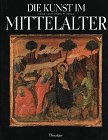
Geschichte der europäischen Kunst. (5 Bände - komplett).
Sprache: Deutsch
Verlag: Einsiedeln, Benziger, 1995., 1995
ISBN 10: 3545331423 ISBN 13: 9783545331426
Anbieter: Antiquariat Matthias Wagner, Berlin, Deutschland
Verbandsmitglied: GIAQ
Verkäuferbewertung 5 von 5 Sternen
Hardcover. Sehr guter Zustand. BITTE BEACHTEN: KEIN VERSAND AUSSERHALB EU - PLEASE NOTE: NO SHIPPING OUTSIDE EUROPEAN UNION. Erschienen 1995-1998. Fünf Pappbände mit Schutzumschlag, jeweils im Schuber. 31,5 x 21,5 cm. Bd. 1: Die Kunst im Mittelalter. (392 Seiten) / Bd. 2: Die Baukunst im Mittelalter. (368 Seiten.) / Bd 3: Die Kunst der Renaissance im 15. Jahrhundert. (304 Seiten) / Bd. 4: Die Kunst der Renaissance im 16. Jahrhundert. (352 Seiten) / Bd. 5: Künstlerwerkstätten der Renaissance. (336 Seiten.) Gewicht: 7500.
-
El BARRILETE Salimos a Remontarnos.
Verlag: Buenos Aires Barrilete, 1963
Anbieter: Chaco 4ever Books, Montevideo, MO, Uruguay
Verkäuferbewertung 5 von 5 Sternen
Magazin / Zeitschrift
Encuadernación de tapa blanda. Zustand: Muy bien. In-8º. #1 August 1963 - #12 Sept 1966 Second period Año V #1 1968 (#14) Año XII #1 1974 (#15). Plus Cinco Poetas #1, Suplemento Imprescindible 1967, Informe sobre Santo Domingo & Informe sobre Discepolo. Wrappers. One of the literary processes that accompanied most of Santoro's life was wielded by the air and was, according to the wind, evolving to where the reality was blowing. Barrilete was named, and it was a magazine published intermittently between 1963 and 1974. The idea was to revolutionize the forms and content of the letters, give rise to cultural expressions that - until then - were shown as differentiated, excluded, or 'popular' but were not considered artistic. Barrilete is, basically, one of the most fruitful literary experiences in the history of the country, and - as such - in the same way no one. The predominant logic was to give space and possibility of production to a host of authors who began to explore literature. The aim was to publish, publish and distribute poems in the form of brochures, a magazine or whatever could be economically available at the time, which were relevant to popular culture. This is how it became the first place to give space to authors or tango lyricists who today seem indispensable but who had no place in the media like Enrique Santos Discépolo or Homero Manzi. In 1963 the first five issues came out and their production varied depending on the current situation the country was going through. The premise with which El Barrilete was drawn was simple: the poetry had to stop being of the privileged and leave. The slogan, as well as the editorial, went through not self-advertising or self-publishing (even Santoro just published a poem of hers in the last issue of the magazine), poets, in different meetings, proposed topics and problems, others wrote. Magazines and brochures were distributed in improvised recitals in factories, promotion societies and strategic points of the different neighborhoods of Buenos Aires and Buenos Aires and then sold or given to those who attended, encouraging debate and constant interaction. The dictatorship of Ongania, in 1966, resulted in a break for Barrilete. Many members left for Cuba or Vietnam while the other, Santoro included, radicalized the proposal and the speech, continuing it with different variants. In the first period 13 numbers were published, between August 1963 and December 1967. The first five, appeared monthly between August and December 1963, were called El Barrilete. We left to go back and were directed and edited by Roberto J. Santoro, while his mother Emilia de Santoro occupied the position of Secretary of Writing. Each of the first five deliveries consisted of eight pages and its preparation was carried out by Santoro at his home, with the help of his mother and his sister. From number six, February 1964, the publication adopts the name Barrilete and its cover is modified, while pages are added to colors and new sections. His address is now headed by a Editorial Board composed of Daniel Barros, Ramón Plaza, Miguel Ángel Rozzini, Horacio Salas, Marcos Silber and Rafael Alberto Vásquez, as well as Santoro. From this number six, it is published with a bimonthly frequency, except for numbers 12 and 13, from August-September 1966 and December 1967, respectively. The number 12 is directed by Alberto Costa, Carlos Patiño, Felipe Reisin and Rafael Vásquez: the number 13, is in charge of Costa and Patiño, who then published the only number of the second time (Second period Año V No 1). Collaborators : Rodolfo C. Ramirez, Ramon Plaza, Horacio Salas, Carlos Enrique Urquia, Martín Campos, Atilio Luis Viglino, Alberto Szpunberg, Daniel Barros, Natalio Kisnerman, Alberto Luis Ponzo, Hector Yanover, Enrique Wernicke, Roberto J. Santoro, and others. Provenzano p279. Tarcus p52. W19.
-

Poesía en general. Cuatro canciones y un vuel. Uno más uno humanidad. No negociable.
Verlag: Ediciones del Rescate,, Madrid, 1979
Anbieter: Salvador Cortés, Librero Anticuario, San Lorenzo del Escorial, M, Spanien
Verbandsmitglied: AILA ILAB LANCE
Verkäuferbewertung 5 von 5 Sternen
83 pp. y vuelta, ilustraciones. 4º menor. Rústica editorial. Muy buen estado.
-
Colección La Pluma y La Palabra.
Verlag: Papeles de Buenos Aires., 1974
Anbieter: Chaco 4ever Books, Montevideo, MO, Uruguay
Verkäuferbewertung 5 von 5 Sternen
Magazin / Zeitschrift
Sin Encuadernar. Zustand: Muy bien. In-8º. #1-#38 (Complete set). Wrappers. Roberto Jorge Santoro (Buenos Aires, Argentina, April 17, 1939 - arrested-disappeared in the same city, June 1, 1977) was an Argentine poet, who would use Buenos Aires as the center of his poetic words. Roberto Jorge Santoro was kidnapped by the military during the dictatorship on June 1, 1977, who illegally took him from his place of work: the National School of Technical Education No. 25 "First Lieutenant of Artillery Fray Luis Beltrán", in Saavedra street in the Once neighborhood, where the poet served as preceptor with the position of deputy chief. Non-negotiable was his last publication: he was part of from the La Pluma y la Palabra Collection, from the Papeles de Buenos Aires publishing house, a group "that brought together Santoro with the painter Pedro Gaeta, the poet Luis Luchi and the musician Eduardo Rovira". One of his colleagues from Barrilete, the also poet Rafael Vásquez, published, in his Report on Santoro, a series of unpublished poems so far, written in November 1976: Twenty-five black poems without a filter- 1- Mahfud Massis. El enano. 2- Raúl González Tuñón. El banco en la plaza. 3- Carlos Enrique Urquía. Palabra de honor. 4- Pedro Godoy. Orgía ontológica. 5- Humberto Constantini. Más cuestiones con la vida. 6- Francisco Bagala. Según yo. 7- Felipe Reisin. Región gris. 8- Ana María Sturla. Telegramas urgentes. 9- Antonio Requeni. Versos en la ciudad. 10- Héctor Borda Leaño. La challa. 11- Federico Moreyra. Rastros. 12- Diego Mare. Baladas. 13- Mario Lesing. El nudo corredizo. 14- Elvio Romero. De caminante. 15- Antonio Aliberti. Ceremonia íntima. 16- Rafael Alberto Vásquez. Hay sol en Buenos Aires. 17- Vi-cente Zito Lema. La paz de los asesinos. 18- Roberto Santoro. No negociable. 19- Luis Luchi. Poemas. 1946-1955. 20- Néstor Groppa. Postales. 21- Carlos Patiño. Retratos. 22- Oscar R. F. García. El tigre fuera De la bolsa. 23- Víc-tor Mazzi T. A lengua viva. 24- Enrique Puccia. Otras instantáneas. 25- A. César López Ocón. La ventana. 26- Beatriz Esterkind. Sumo y sigo. 27- Oscar González. Canto filoso. 28- Dardo S. Dorronzoro. Una sangre para el día. 29- Héctor Miguel Angeli. Nueve tangos. 30- Alberto Costa. Poemas a la marchanta. 31- Luis Franco. El mar se embarca. 32- Enrique Courau. Al paredón. 33- Lucas Moreno. El espejo. 34- Álvaro Yunque. Poemas Para Encon-trar a Cervantes. 35- Carlos Penelas. Integración. 36- Gustavo Adolfo Valdés. Información Sumaria. 37- Elías Castelnuovo. Caña Fístula. 38- Hugo Ditaranto. Una razón Suficiente. EP1.
-
Colección La Pluma y La Palabra.
Verlag: Papeles de Buenos Aires., 1974
Anbieter: Chaco 4ever Books, Montevideo, MO, Uruguay
Verkäuferbewertung 5 von 5 Sternen
Magazin / Zeitschrift Signiert
Sin Encuadernar. Zustand: Muy bien. In-8º. #1-#38 (Complete set). Wrappers. Roberto Jorge Santoro (Buenos Aires, Argentina, April 17, 1939 - arrested-disappeared in the same city, June 1, 1977) was an Argentine poet, who would use Buenos Aires as the center of his poetic words. Roberto Jorge Santoro was kidnapped by the military during the dictatorship on June 1, 1977, who illegally took him from his place of work: the National School of Technical Education No. 25 "First Lieutenant of Artillery Fray Luis Beltrán", in Saavedra street in the Once neighborhood, where the poet served as preceptor with the position of deputy chief. Non-negotiable was his last publication: he was part of from the La Pluma y la Palabra Collection, from the Papeles de Buenos Aires publishing house, a group "that brought together Santoro with the painter Pedro Gaeta, the poet Luis Luchi and the musician Eduardo Rovira". One of his colleagues from Barrilete, the also poet Rafael Vásquez, published, in his Report on Santoro, a series of unpublished poems so far, written in November 1976: Twenty-five black poems without a filter- 1- Mahfud Massis. El enano. 2- Raúl González Tuñón. El banco en la plaza. 3- Carlos Enrique Urquía. Palabra de honor. 4- Pedro Godoy. Orgía ontológica. 5- Humberto Constantini. Más cuestiones con la vida. 6- Francisco Bagala. Según yo. 7- Felipe Reisin. Región gris. 8- Ana María Sturla. Telegramas urgentes. 9- Antonio Requeni. Versos en la ciudad. 10- Héctor Borda Leaño. La challa. 11- Federico Moreyra. Rastros. 12- Diego Mare. Baladas. 13- Mario Lesing. El nudo corredizo. 14- Elvio Romero. De caminante. 15- Antonio Aliberti. Ceremonia íntima. 16- Rafael Alberto Vásquez. Hay sol en Buenos Aires. 17- Vi-cente Zito Lema. La paz de los asesinos. 18- Roberto Santoro. No negociable. 19- Luis Luchi. Poemas. 1946-1955. 20- Néstor Groppa. Postales. 21- Carlos Patiño. Retratos. 22- Oscar R. F. García. El tigre fuera De la bolsa. 23- Víc-tor Mazzi T. A lengua viva. 24- Enrique Puccia. Otras instantáneas. 25- A. César López Ocón. La ventana. 26- Beatriz Esterkind. Sumo y sigo. 27- Oscar González. Canto filoso. 28- Dardo S. Dorronzoro. Una sangre para el día. 29- Héctor Miguel Angeli. Nueve tangos. 30- Alberto Costa. Poemas a la marchanta. 31- Luis Franco. El mar se embarca. 32- Enrique Courau. Al paredón. 33- Lucas Moreno. El espejo. 34- Álvaro Yunque. Poemas Para Encon-trar a Cervantes. 35- Carlos Penelas. Integración. 36- Gustavo Adolfo Valdés. Información Sumaria. 37- Elías Castelnuovo. Caña Fístula. 38- Hugo Ditaranto. Una razón Suficiente. Attached is a typed and signed letter from Elias castelnuovo in reference to the publication in this magazine of his work Caña Fistula. Firmado por el autor.
-

Manuscript Letter
Erscheinungsdatum: 1963
Anbieter: Chaco 4ever Books, Montevideo, MO, Uruguay
Verkäuferbewertung 5 von 5 Sternen
Manuskript / Papierantiquität
Sin Encuadernar. Zustand: Muy bien. 220 x 137 mm. Handwritten letter of the poet disappeared during the military dictatorship of Argetina 1976-1983.


