Gesamtpreis (1 Artikel Artikel):
Versandziel:

albert witzel (4 Ergebnisse)
Direkt zu den wichtigsten Suchergebnissen
Suchfilter
Produktart
- Alle Product Types
- Bücher (Keine weiteren Ergebnisse entsprechen dieser Verfeinerung)
- Magazine & Zeitschriften (Keine weiteren Ergebnisse entsprechen dieser Verfeinerung)
- Comics (Keine weiteren Ergebnisse entsprechen dieser Verfeinerung)
- Noten (Keine weiteren Ergebnisse entsprechen dieser Verfeinerung)
- Kunst, Grafik & Poster (Keine weiteren Ergebnisse entsprechen dieser Verfeinerung)
- Fotografien (4)
- Karten (Keine weiteren Ergebnisse entsprechen dieser Verfeinerung)
- Manuskripte & Papierantiquitäten (Keine weiteren Ergebnisse entsprechen dieser Verfeinerung)
Zustand Mehr dazu
- Neu (Keine weiteren Ergebnisse entsprechen dieser Verfeinerung)
- Wie Neu, Sehr Gut oder Gut Bis Sehr Gut (3)
- Gut oder Befriedigend (Keine weiteren Ergebnisse entsprechen dieser Verfeinerung)
- Ausreichend oder Schlecht (Keine weiteren Ergebnisse entsprechen dieser Verfeinerung)
- Wie beschrieben (1)
Einband
- alle Einbände
- Hardcover (Keine weiteren Ergebnisse entsprechen dieser Verfeinerung)
- Softcover (Keine weiteren Ergebnisse entsprechen dieser Verfeinerung)
Weitere Eigenschaften
- Erstausgabe (2)
- Signiert (1)
- Schutzumschlag (Keine weiteren Ergebnisse entsprechen dieser Verfeinerung)
- Angebotsfoto (4)
Sprache (2)
Preis
- Beliebiger Preis
- Weniger als EUR 20 (Keine weiteren Ergebnisse entsprechen dieser Verfeinerung)
- EUR 20 bis EUR 45
- Mehr als EUR 45
Gratisversand
Land des Verkäufers
Verkäuferbewertung
-

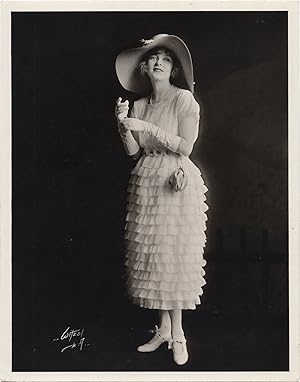
Original Photograph- Portrait Of A Man, Circa 1925
Sprache: Englisch
Verlag: Estep Studio, Los Angeles Circa 1925, 1925
Anbieter: Arroyo Seco Books, Pasadena, Member IOBA, Pasadena, CA, USA
Verbandsmitglied: IOBA
Verkäuferbewertung 4 von 5 Sternen

Fotografie Erstausgabe
No Binding. Zustand: Near Fine. Original Photograph. Original Photograph, Image 9" X 6 7/8". Inscribed By The Subject. Photographer's Logo At Lower Left. , And His Stamp On Verso. Albert Witzel (1879-1929 Moved To Los Angeles, Where He Opened His Studio At 811 S. Hill St. He Was Soon Recognized Recognized As One Of Los Angeles' Top Society Photographers, With Many Of His Images Appearing In The Los Angeles Times, Starting In 1912. He Began Reaching Out To Theatrical Entertainers In Need Of Carefully Crafted Portraits To Lure Customers. Around The Same Time, Moving Picture Companies Migrated To Los Angeles To Film In The Ever-Present Sunshine, Away From Motion Picture Trust Interference. These Companies Had Recently Introduced The Practice Of Promoting The Stars Of Their Films, Helping To Create Brand Awareness Among Consumers, Who Flocked To Movies Starring Their Favorites. Witzel'S Theatrical Clients Promoted His Talents To Their Moviemaking Friends, Who Quickly Began Hiring Him To Take Their Portraits. Film Companies Employed His Services Too. The Balboa Film Co. Hired Him In 1913-1914 To Shoot Portraits Of Their Star Stable, Quickly Followed By Companies Like Triangle-Ince. Witzel'S Photograph Of Viola Barry From Balboa Films "The Sea Wolf" Was The First Movie Star Portrait To Appear In The Los Angeles Times, 1913. His Images Often Employed Rembrandt Lighting And Offered Moody Shadows And Sheen. Witzel'S Work Began Running Regularly In The Times In 1915, And Film Fan Magazines Like Photoplay And Motion Picture Regularly Published His Work As Well. Witzel Expanded His Work With Studios, Occasionally Shooting Freelance Images Of Sennett Bathing Beauties In 1916 That Were Published In Magazines And Newspapers, And Working On Assignment For Fox Studios In 1917, Photographing Theda Bara In A Series Of Somewhat Soft Pictorialist Images For Her Iconic Films, "Cleopatra," "Salome," And Madame Du Barry." In Order To Handle The Increased Workload, Witzel Added New Studios And Employed Retouchers Like Photographer William Mortensen And Extra Photographers Like Otto Schellenberg, W. F. Seely, George Cannons, And Max Munn Autrey To Shoot Portraits. Autrey Eventually Became Head Of Witzel'S Hollywood Studio At 6324 Hollywood Blvd. From 1922-1924. Their Work Became More Intense And Exotic, Emphasizing A Glamorous Star Look. The Witzel Studio Downtown Also Handled One Of The More Infamous Special Photo Shoots In Silent Film History. Harold Lloyd Posed In The Studio With A "Fake" Bomb That Turned Out To Be Real, Losing His Right Thumb And Forefinger. The Comedian Performed All Of His Action Stunts, Including Hanging Off A Downtown Building, With Only Three Fingers On His Right Hand. N 1923, Witzel Was Forced Out Of His Lease At 828 S. Hill St. By The May Co., New Owners Of The Original Hamburger'S Department Store, Who Wanted To Make Additions To Their Building. The Firm Opened A New Studio At 1007 W. 7Th St., Run By His Brother Charles, To Go Along With One At 536 S. Broadway. This Studio Occupied The Entire Second Floor And The Lobby Of The Recently Constructed Building, With New Up-To-Date Equipment In What The Times Called The "Largest Photography Studio In The West." The Witzel Hollywood Studio Remained Its Most Attractive, With The South Broadway Studio The Most Modern. During The Mid-1920S, However, Studios Began Establishing Their Own Portrait Galleries To Maintain A Firm Hand And Established Look With The Requirement For An Ever Increasing Production Of Prints. Spurr Left To Establish His Own Studio, Schellenberg Ended Up At Universal, Cannons Went To Sennett, And Autrey Departed To Found Fox'S Portrait Department. Witzel And His Staff Of Photographers Focused More On Special Shoots For Newspapers And Magazines, Like The Peggy Hamilton Fashion Features For The Los Angeles Times, And Other Select Sections.
-
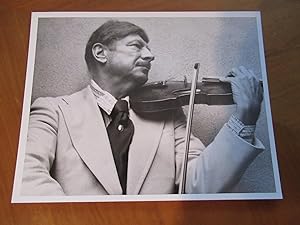
Original Photograph- Violinist Mark Kramer
Sprache: Englisch
Verlag: Estep Studio / Albert Witzel, Los Angeles Circa 1925, 1925
Anbieter: Arroyo Seco Books, Pasadena, Member IOBA, Pasadena, CA, USA
Verbandsmitglied: IOBA
Verkäuferbewertung 4 von 5 Sternen
Fotografie Erstausgabe Signiert
No Binding. Zustand: Near Fine. Original Photograph. Original Photograph, Image 9" X 6 7/8". Inscribed By The Subject. Photographer's Logo At Lower Left. , And His Stamp On Verso. Albert Witzel (1879-1929) Moved To Los Angeles, Where He Opened His Studio At 811 S. Hill St. He Was Soon Recognized As One Of Los Angeles' Top Society Photographers, With Many Of His Images Appearing In The Los Angeles Times, Starting In 1912. He Began Reaching Out To Theatrical Entertainers In Need Of Carefully Crafted Portraits To Lure Customers. Around The Same Time, Moving Picture Companies Migrated To Los Angeles To Film In The Ever-Present Sunshine, Away From Motion Picture Trust Interference. These Companies Had Recently Introduced The Practice Of Promoting The Stars Of Their Films, Helping To Create Brand Awareness Among Consumers, Who Flocked To Movies Starring Their Favorites. Witzel'S Theatrical Clients Promoted His Talents To Their Movie-Making Friends, Who Quickly Began Hiring Him To Take Their Portraits. Film Companies Employed His Services Too. The Balboa Film Co. Hired Him In 1913-1914 To Shoot Portraits Of Their Star Stable, Quickly Followed By Companies Like Triangle-Ince.Witzel'S Photograph Of Viola Barry From Balboa Films "The Sea Wolf" Was The First Movie Star Portrait To Appear In The Los Angeles Times, 1913. His Images Often Employed Rembrandt Lighting And Offered Moody Shadows And Sheen. Witzel'S Work Began Running Regularly In The Times In 1915, And Film Fan Magazines Like Photoplay And Motion Picture Regularly Published His Work As Well. Witzel Expanded His Work With Studios, Occasionally Shooting Freelance Images Of Sennett Bathing Beauties In 1916 That Were Published In Magazines And Newspapers, And Working On Assignment For Fox Studios In 1917, Photographing Theda Bara In A Series Of Somewhat Soft Pictorialist Images For Her Iconic Films, "Cleopatra," "Salome," And Madame Du Barry." In Order To Handle The Increased Workload, Witzel Added New Studios And Employed Retouchers Like Photographer William Mortensen And Extra Photographers Like Otto Schellenberg, W. F. Seely, George Cannons, And Max Munn Autrey To Shoot Portraits. Autrey Eventually Became Head Of Witzel'S Hollywood Studio At 6324 Hollywood Blvd. From 1922-1924. Their Work Became More Intense And Exotic, Emphasizing A Glamorous Star Look. The Witzel Studio Downtown Also Handled One Of The More Infamous Special Photo Shoots In Silent Film History. Harold Lloyd Posed In The Studio With A "Fake" Bomb That Turned Out To Be Real, Losing His Right Thumb And Forefinger. The Comedian Performed All Of His Action Stunts, Including Hanging Off A Downtown Building, With Only Three Fingers On His Right Hand. N 1923, Witzel Was Forced Out Of His Lease At 828 S. Hill St. By The May Co., New Owners Of The Original Hamburger'S Department Store, Who Wanted To Make Additions To Their Building. The Firm Opened A New Studio At 1007 W. 7Th St., Run By His Brother Charles, To Go Along With One At 536 S. Broadway. This Studio Occupied The Entire Second Floor And The Lobby Of The Recently Constructed Building, With New Up-To-Date Equipment In What The Times Called The "Largest Photography Studio In The West." The Witzel Hollywood Studio Remained Its Most Attractive, With The South Broadway Studio The Most Modern. During The Mid-1920S, However, Studios Began Establishing Their Own Portrait Galleries To Maintain A Firm Hand And Established Look With The Requirement For An Ever Increasing Production Of Prints. Spurr Left To Establish His Own Studio, Schellenberg Ended Up At Universal, Cannons Went To Sennett, And Autrey Departed To Found Fox'S Portrait Department. Witzel And His Staff Of Photographers Focused More On Special Shoots For Newspapers And Magazines, Like The Peggy Hamilton Fashion Features For The Los Angeles Times, And Other Select Sections. Signed by Author(s).
-
Two original photographs, one each of Alma Rubens and Anita Stewart, circa 1920s
Verlag: N.p., N.p., 1920
Anbieter: Royal Books, Inc., ABAA, Baltimore, MD, USA
Verkäuferbewertung 5 von 5 Sternen

Fotografie
Two vintage matte double weight portrait photographs of silent film actresses Alma Rubens and Anita Stewart, respectively, circa 1920s. Insignia of photographer Albert Witzel from the negative at the bottom corners. One with the stamp of King Features Syndicate to the verso. Witzel Studios was founded in 1909 and rapidly rose to success as one of Hollywood's foremost portrait studios and society photographers. Witzel occasionally took on freelance assignments for Fox Studios, work which gradually became less frequent as studios established their own portrait and stills departments. All but one of Witzel's portrait studios were closed following the photographer's death in 1929. Both photos 7.5 x 9.5 inches. Near Fine.
-
AIMEE SEMPLE McPHERSON (ca. 1922-27) Set of 3 photos
Verlag: Albert Witzel, Mauray of LA
Anbieter: Walterfilm, Inc., ABAA, ILAB, West Hollywood, CA, USA
Verkäuferbewertung 5 von 5 Sternen
Fotografie
No binding. Zustand: Fine. Set of two vintage original 8 x 10" (20 x 25 cm) black-and-white double weight photos (one glossy, one matte) and one vintage original 7 x 9" (18 x 23 cm) double weight glossy gelatin silver photo. Overall fine. Aimee Elizabeth Semple McPherson (1890-1944), also known as Sister Aimee or Sister, was a Canadian-born American Pentecostal evangelist and media celebrity in the 1920s and 30s, famous for founding the Foursquare Church. McPherson pioneered the use of broadcast mass media for wider dissemination of both religious services and appeals for donations, using radio to draw both audience and revenue with the growing appeal of popular entertainment and incorporating stage techniques into her weekly sermons at Angelus Temple in Los Angeles, CA. McPherson made her mark in a very religious America: back in the 1920s, she was among the first megachurch profiteers. She was accused of fraud many times but continued preaching and raking in money. She was a known bootlegger, con artist, and known to run through men. Both 8 x 10" portraits are likely ca. 1922-23, as they appear to have been used in newspapers concerning her 1926 disappearance. One portrait, by famous photographer Albert Witzel and signed on front, shows McPherson in a preaching position. A 1926 date is handwritten on verso and newspaper clippings of the publication are attached. The other portrait is by Mauray of LA (as signed on front) and shows her with a tambourine, likely from the same period. The third smaller photo has a newspaper blurb describing an accident she was in while on her way to a presentation in Iowa and is likely for her 1927 tour, as it includes the fact she caused nationwide publicity with her 1926 disappearance.