

Gesamtpreis (1 Artikel Artikel):
Versandziel:

9781433122897 - The Continuum of Consciousness: Aesthetic Experience and Visual Art in Henry James?s Novels (American University Studies, Band 198) von Eimers, Jennifer (5 Ergebnisse)
Direkt zu den wichtigsten Suchergebnissen
Suchfilter
Produktart
- Alle Product Types
- Bücher (5)
- Magazine & Zeitschriften (Keine weiteren Ergebnisse entsprechen dieser Verfeinerung)
- Comics (Keine weiteren Ergebnisse entsprechen dieser Verfeinerung)
- Noten (Keine weiteren Ergebnisse entsprechen dieser Verfeinerung)
- Kunst, Grafik & Poster (Keine weiteren Ergebnisse entsprechen dieser Verfeinerung)
- Fotografien (Keine weiteren Ergebnisse entsprechen dieser Verfeinerung)
- Karten (Keine weiteren Ergebnisse entsprechen dieser Verfeinerung)
- Manuskripte & Papierantiquitäten (Keine weiteren Ergebnisse entsprechen dieser Verfeinerung)
Zustand Mehr dazu
- Neu (5)
- Wie Neu, Sehr Gut oder Gut Bis Sehr Gut (Keine weiteren Ergebnisse entsprechen dieser Verfeinerung)
- Gut oder Befriedigend (Keine weiteren Ergebnisse entsprechen dieser Verfeinerung)
- Ausreichend oder Schlecht (Keine weiteren Ergebnisse entsprechen dieser Verfeinerung)
- Wie beschrieben (Keine weiteren Ergebnisse entsprechen dieser Verfeinerung)
Einband
- alle Einbände
- Hardcover (5)
- Softcover (Keine weiteren Ergebnisse entsprechen dieser Verfeinerung)
Weitere Eigenschaften
- Erstausgabe (Keine weiteren Ergebnisse entsprechen dieser Verfeinerung)
- Signiert (Keine weiteren Ergebnisse entsprechen dieser Verfeinerung)
- Schutzumschlag (Keine weiteren Ergebnisse entsprechen dieser Verfeinerung)
- Angebotsfoto (1)
Sprache (1)
Preis
- Beliebiger Preis
- Weniger als EUR 20 (Keine weiteren Ergebnisse entsprechen dieser Verfeinerung)
- EUR 20 bis EUR 45 (Keine weiteren Ergebnisse entsprechen dieser Verfeinerung)
- Mehr als EUR 45
Gratisversand
Land des Verkäufers
Verkäuferbewertung
-
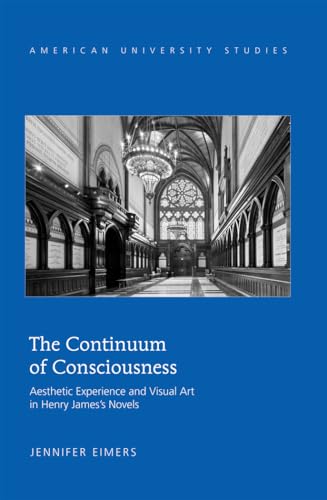
The Continuum of Consciousness
Sprache: Englisch
Verlag: Peter Lang Inc., International Academic Publishers, 2013
ISBN 10: 1433122898 ISBN 13: 9781433122897
Anbieter: PBShop.store UK, Fairford, GLOS, Vereinigtes Königreich
Verkäuferbewertung 5 von 5 Sternen

EUR 68,14
EUR 4,82 Versand
Versand von Vereinigtes Königreich nach USAAnzahl: 15 verfügbar
In den WarenkorbHRD. Zustand: New. New Book. Shipped from UK. Established seller since 2000.
-
The Continuum of Consciousness: Aesthetic Experience and Visual Art in Henry James's Novels (American University Studies)
Sprache: Englisch
Verlag: Peter Lang Inc., International Academic Publishers, 2013
ISBN 10: 1433122898 ISBN 13: 9781433122897
Anbieter: Ria Christie Collections, Uxbridge, Vereinigtes Königreich
Verkäuferbewertung 5 von 5 Sternen
EUR 70,38
EUR 13,89 Versand
Versand von Vereinigtes Königreich nach USAAnzahl: Mehr als 20 verfügbar
In den WarenkorbZustand: New. In.
-
The Continuum of Consciousness
Sprache: Englisch
Verlag: Peter Lang Inc., International Academic Publishers, 2013
ISBN 10: 1433122898 ISBN 13: 9781433122897
Anbieter: PBShop.store US, Wood Dale, IL, USA
Verkäuferbewertung 5 von 5 Sternen
HRD. Zustand: New. New Book. Shipped from UK. Established seller since 2000.
-
The Continuum of Consciousness: Aesthetic Experience and Visual Art in Henry James s Novels
Sprache: Englisch
Verlag: Peter Lang Publishing Inc, 2013
ISBN 10: 1433122898 ISBN 13: 9781433122897
Anbieter: Kennys Bookstore, Olney, MD, USA
Verkäuferbewertung 5 von 5 Sternen
Zustand: New. Examines the transformative experience of art in James' fiction. By highlighting and analyzing his representations of aesthetic consciousness in four novels at specific moments, this book explores the idea that for James art represents every conscious human activity". Series: American University Studies. Num Pages: 117 pages. BIC Classification: AB; AM; DSBF; DSBH. Category: (P) Professional & Vocational. Dimension: 157 x 230 x 12. Weight in Grams: 302. . 2013. First. Hardcover. . . . . Books ship from the US and Ireland.
-
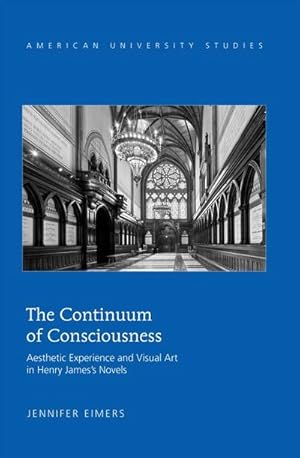
The Continuum of Consciousness : Aesthetic Experience and Visual Art in Henry James¿s Novels
Anbieter: AHA-BUCH GmbH, Einbeck, Deutschland
Verkäuferbewertung 5 von 5 Sternen
Buch. Zustand: Neu. Druck auf Anfrage Neuware - Printed after ordering - The Continuum of Consciousness: Aesthetic Experience and Visual Art in Henry James's Novels examines the transformative experience of art in James's fiction. In a 1915 letter to H. G. Wells, James declares, «It is art that makes life.» This book traces the rich implications of this claim. For James, viewing art transformed the self. Many of his contemporaries, including his famous older brother, William, were deeply interested in the study of perception and individual consciousness. James's fictional use of art reflects these philosophical discussions. Although much valuable scholarship has been devoted to visual art in James's fiction, the guiding role it often plays in his characters' experiences receives fuller exploration in this book. A prolonged look at visual art and consciousness through the lens of nineteenth-century British aestheticism reveals intriguing connections and character responses. By highlighting and analyzing his representations of aesthetic consciousness in four novels at specific moments (such as Basil Ransom's and Verena Tarrant's contrasting responses to Harvard's Memorial Hall in The Bostonians and Milly Theale's identification with a Bronzino painting in The Wings of the Dove), this book ultimately explores the idea that for James art represents «every conscious human activity», as Wells replied to James.
