
Westerhout arnold (51 Ergebnisse)

Verlag: Contentum Ltd., Larnaca, Cyprus
- Kunst / Grafik / Poster
Anbieter: Contentum, Nicosia, ZypernContentum
Verkäufer/-in kontaktierenVerkäufer/-in mit 4 SternenZustand: Neu
EUR 17,99
Versand gratisVersand von Zypern nach USAAnzahl: Mehr als 20 verfügbar
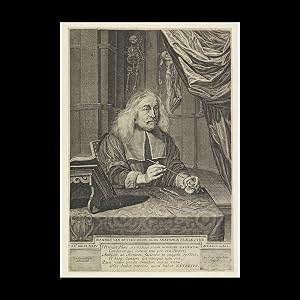
In den WarenkorbLoose Leaf. Zustand: New. Reproduction. Original title: Portrait of Jacobus Emerix de Matthijs German: Porträt von Jacobus Emerix de Matthijs French: Portrait de Jacobus Emerix de Matthijs Spanish: Retrato de Jacobus Emerix de Matthijs High-quality fine-art reproduction based on an original work from the Rijksmuseum. Creation pe…riod: 18th century (1700). Professionally printed on premium fine-art paper (Photo Matt Fibre) in size A5. The motif is printed with a white border (museum-style presentation). No.

Verlag: Contentum Ltd., Larnaca, Cyprus
- Kunst / Grafik / Poster
Anbieter: Contentum, Nicosia, ZypernContentum
Verkäufer/-in kontaktierenVerkäufer/-in mit 4 SternenZustand: Neu
EUR 17,99
Versand gratisVersand von Zypern nach USAAnzahl: Mehr als 20 verfügbar
In den WarenkorbLoose Leaf. Zustand: New. Reproduction. Original title: Cartouche with coat of arms of Pope Innocent XI German: Kartusche mit Wappen von Papst Innozenz XI French: Cartouche aux armoiries du Pape Innocent XI Spanish: Cartoque con escudo de armas del Papa Inocencio XI High-quality fine-art reproduction based on an original work fr…om the Rijksmuseum. Creation period: 17th century (1687). Professionally printed on premium fine-art paper (Photo Matt Fibre) in size A5. The motif is printed with a white border (museum-style presentation). No.

Verlag: Contentum Ltd., Larnaca, Cyprus
- Kunst / Grafik / Poster
Anbieter: Contentum, Nicosia, ZypernContentum
Verkäufer/-in kontaktierenVerkäufer/-in mit 4 SternenZustand: Neu
EUR 17,99
Versand gratisVersand von Zypern nach USAAnzahl: Mehr als 20 verfügbar
In den WarenkorbLoose Leaf. Zustand: New. Reproduction. Original title: Roger Palmer, First Earl of Castlemaine, kneeled before Pope Innocent XI German: Roger Palmer, erster Graf von Castlemaine, kniete vor Papst Innozenz XI. French: Roger Palmer, premier comte de Castlemaine, à genoux devant le pape Innocent XI Spanish: Roger Palmer, Primer Co…nde de Castlemaine, se arrodilló ante el Papa Inocencio XI High-quality fine-art reproduction based on an original work from the Rijksmuseum. Creation period: 17th century (1687). Professionally printed on premium fine-art paper (Photo Matt Fibre) in size A5. The motif is printed with a white border (museum-style presentation). No.
Verlag: Contentum Ltd., Larnaca, Cyprus
- Kunst / Grafik / Poster
Anbieter: Contentum, Nicosia, ZypernContentum
Verkäufer/-in kontaktierenVerkäufer/-in mit 4 SternenZustand: Neu
EUR 17,99
Versand gratisVersand von Zypern nach USAAnzahl: Mehr als 20 verfügbar
In den WarenkorbLoose Leaf. Zustand: New. Reproduction. Original title: Portrait of Jan van Buyten, at the age of 62 German: Porträt von Jan van Buyten, 62 Jahre alt French: Portrait de Jan van Buyten, à 62 ans Spanish: Retrato de Jan van Buyten, a los 62 años High-quality fine-art reproduction based on an original work from the Rijksmuseum. Cr…eation period: 17th century (1674). Professionally printed on premium fine-art paper (Photo Matt Fibre) in size A5. The motif is printed with a white border (museum-style presentation). No.

Verlag: Contentum Ltd., Larnaca, Cyprus
- Kunst / Grafik / Poster
Anbieter: Contentum, Nicosia, ZypernContentum
Verkäufer/-in kontaktierenVerkäufer/-in mit 4 SternenZustand: Neu
EUR 17,99
Versand gratisVersand von Zypern nach USAAnzahl: Mehr als 20 verfügbar
In den WarenkorbLoose Leaf. Zustand: New. Reproduction. Original title: Portrait of the Jesuit Michelangelo Tamburini German: Porträt des Jesuiten Michelangelo Tamburini French: Portrait du jésuite Michelangelo Tamburini Spanish: Retrato del jesuita Miguel Ángel Tamburini High-quality fine-art reproduction based on an original work from the Rij…ksmuseum. Creation period: 18th century (1731). Professionally printed on premium fine-art paper (Photo Matt Fibre) in size A5. The motif is printed with a white border (museum-style presentation). No.

Verlag: Contentum Ltd., Larnaca, Cyprus
- Kunst / Grafik / Poster
Anbieter: Contentum, Nicosia, ZypernContentum
Verkäufer/-in kontaktierenVerkäufer/-in mit 4 SternenZustand: Neu
EUR 17,99
Versand gratisVersand von Zypern nach USAAnzahl: Mehr als 20 verfügbar
In den WarenkorbLoose Leaf. Zustand: New. Reproduction. Original title: Portrait of Hieronymus Rocca German: Porträt von Hieronymus Rocca French: Portrait de Hieronymus Rocca Spanish: Retrato de Hieronymus Rocca High-quality fine-art reproduction based on an original work from the Rijksmuseum. Creation period: 17th century (1665). Professionall…y printed on premium fine-art paper (Photo Matt Fibre) in size A5. The motif is printed with a white border (museum-style presentation). No.

Verlag: Contentum Ltd., Larnaca, Cyprus
- Kunst / Grafik / Poster
Anbieter: Contentum, Nicosia, ZypernContentum
Verkäufer/-in kontaktierenVerkäufer/-in mit 4 SternenZustand: Neu
EUR 17,99
Versand gratisVersand von Zypern nach USAAnzahl: Mehr als 20 verfügbar
In den WarenkorbLoose Leaf. Zustand: New. Reproduction. Original title: Portrait of Cardinal Lorenzo Altieri German: Porträt von Kardinal Lorenzo Altieri French: Portrait du cardinal Lorenzo Altieri Spanish: Retrato del cardenal Lorenzo Altieri High-quality fine-art reproduction based on an original work from the Rijksmuseum. Creation period: 1…7th century (1690). Professionally printed on premium fine-art paper (Photo Matt Fibre) in size A5. The motif is printed with a white border (museum-style presentation). No.

Verlag: Contentum Ltd., Larnaca, Cyprus
- Kunst / Grafik / Poster
Anbieter: Contentum, Nicosia, ZypernContentum
Verkäufer/-in kontaktierenVerkäufer/-in mit 4 SternenZustand: Neu
EUR 17,99
Versand gratisVersand von Zypern nach USAAnzahl: Mehr als 20 verfügbar
In den WarenkorbLoose Leaf. Zustand: New. Reproduction. Original title: Portrait of Leo Bonfilius German: Porträt von Leo Bonfilius French: Portrait de Léon Bonfilius Spanish: Retrato de Leo Bonfilius High-quality fine-art reproduction based on an original work from the Rijksmuseum. Creation period: 17th century (1665). Professionally printed o…n premium fine-art paper (Photo Matt Fibre) in size A5. The motif is printed with a white border (museum-style presentation). No.

Verlag: Contentum Ltd., Larnaca, Cyprus
- Kunst / Grafik / Poster
Anbieter: Contentum, Nicosia, ZypernContentum
Verkäufer/-in kontaktierenVerkäufer/-in mit 4 SternenZustand: Neu
EUR 17,99
Versand gratisVersand von Zypern nach USAAnzahl: Mehr als 20 verfügbar
In den WarenkorbLoose Leaf. Zustand: New. Reproduction. Original title: Portrait of Petrus de Casis German: Porträt von Petrus de Casis French: Portrait de Petrus de Casis Spanish: Retrato de Petrus de Casis High-quality fine-art reproduction based on an original work from the Rijksmuseum. Creation period: 17th century (1665). Professionally pr…inted on premium fine-art paper (Photo Matt Fibre) in size A5. The motif is printed with a white border (museum-style presentation). No.

Verlag: Contentum Ltd., Larnaca, Cyprus
- Kunst / Grafik / Poster
Anbieter: Contentum, Nicosia, ZypernContentum
Verkäufer/-in kontaktierenVerkäufer/-in mit 4 SternenZustand: Neu
EUR 17,99
Versand gratisVersand von Zypern nach USAAnzahl: Mehr als 20 verfügbar
In den WarenkorbLoose Leaf. Zustand: New. Reproduction. Original title: Portrait of a Pope, possibly Pius III German: Porträt eines Papstes, möglicherweise Pius III. French: Portrait d'un Pape, éventuellement Pie III Spanish: Retrato de un Papa, posiblemente Pío III High-quality fine-art reproduction based on an original work from the Rijksmuse…um. Creation period: 17th century (1665). Professionally printed on premium fine-art paper (Photo Matt Fibre) in size A5. The motif is printed with a white border (museum-style presentation). No.

Verlag: Contentum Ltd., Larnaca, Cyprus
- Kunst / Grafik / Poster
Anbieter: Contentum, Nicosia, ZypernContentum
Verkäufer/-in kontaktierenVerkäufer/-in mit 4 SternenZustand: Neu
EUR 17,99
Versand gratisVersand von Zypern nach USAAnzahl: Mehr als 20 verfügbar
In den WarenkorbLoose Leaf. Zustand: New. Reproduction. Original title: Portrait of Marquis Vincenzo Piazza German: Porträt von Marquis Vincenzo Piazza French: Portrait du marquis Vincenzo Piazza Spanish: Retrato del marqués Vincenzo Piazza High-quality fine-art reproduction based on an original work from the Rijksmuseum. Creation period: 17th…century (1665). Professionally printed on premium fine-art paper (Photo Matt Fibre) in size A5. The motif is printed with a white border (museum-style presentation). No.

Verlag: Contentum Ltd., Larnaca, Cyprus
- Kunst / Grafik / Poster
Anbieter: Contentum, Nicosia, ZypernContentum
Verkäufer/-in kontaktierenVerkäufer/-in mit 4 SternenZustand: Neu
EUR 17,99
Versand gratisVersand von Zypern nach USAAnzahl: Mehr als 20 verfügbar
In den WarenkorbLoose Leaf. Zustand: New. Reproduction. Original title: Portrait of the Jesuit Charles de Noyelle German: Porträt des Jesuiten Charles de Noyelle French: Portrait du jésuite Charles de Noyelle Spanish: Retrato del jesuita Charles de Noyelle High-quality fine-art reproduction based on an original work from the Rijksmuseum. Creati…on period: 18th century (1731). Professionally printed on premium fine-art paper (Photo Matt Fibre) in size A5. The motif is printed with a white border (museum-style presentation). No.

Verlag: Contentum Ltd., Larnaca, Cyprus
- Kunst / Grafik / Poster
Anbieter: Contentum, Nicosia, ZypernContentum
Verkäufer/-in kontaktierenVerkäufer/-in mit 4 SternenZustand: Neu
EUR 17,99
Versand gratisVersand von Zypern nach USAAnzahl: Mehr als 20 verfügbar
In den WarenkorbLoose Leaf. Zustand: New. Reproduction. Original title: Portrait of Gustavo Costa German: Porträt von Gustavo Costa French: Portrait de Gustavo Costa Spanish: Retrato de Gustavo Costa High-quality fine-art reproduction based on an original work from the Rijksmuseum. Creation period: 17th century (1680). Professionally printed on… premium fine-art paper (Photo Matt Fibre) in size A5. The motif is printed with a white border (museum-style presentation). No.

Verlag: Contentum Ltd., Larnaca, Cyprus
- Kunst / Grafik / Poster
Anbieter: Contentum, Nicosia, ZypernContentum
Verkäufer/-in kontaktierenVerkäufer/-in mit 4 SternenZustand: Neu
EUR 17,99
Versand gratisVersand von Zypern nach USAAnzahl: Mehr als 20 verfügbar
In den WarenkorbLoose Leaf. Zustand: New. Reproduction. Original title: Allegory of the return of Great Britain to Catholic faith German: Allegorie der Rückkehr Großbritanniens zum katholischen Glauben French: Allégeance du retour de la Grande-Bretagne à la foi catholique Spanish: Alegoría del regreso de Gran Bretaña a la fe católica High-quali…ty fine-art reproduction based on an original work from the Rijksmuseum. Creation period: 17th century (1687). Professionally printed on premium fine-art paper (Photo Matt Fibre) in size A5. The motif is printed with a white border (museum-style presentation). No.

Verlag: Contentum Ltd., Larnaca, Cyprus
- Kunst / Grafik / Poster
Anbieter: Contentum, Nicosia, ZypernContentum
Verkäufer/-in kontaktierenVerkäufer/-in mit 4 SternenZustand: Neu
EUR 17,99
Versand gratisVersand von Zypern nach USAAnzahl: Mehr als 20 verfügbar
In den WarenkorbLoose Leaf. Zustand: New. Reproduction. Original title: Portrait of Bertrand Monsinat, a clergyman from Toulouse German: Porträt von Bertrand Monsinat, einem Geistlichen aus Toulouse French: Portrait de Bertrand Monsinat, ecclésiastique toulousain Spanish: Retrato de Bertrand Monsinat, clérigo de Toulouse High-quality fine-art r…eproduction based on an original work from the Rijksmuseum. Creation period: 18th century (1722). Professionally printed on premium fine-art paper (Photo Matt Fibre) in size A5. The motif is printed with a white border (museum-style presentation). No.

Verlag: Contentum Ltd., Larnaca, Cyprus
- Kunst / Grafik / Poster
Anbieter: Contentum, Nicosia, ZypernContentum
Verkäufer/-in kontaktierenVerkäufer/-in mit 4 SternenZustand: Neu
EUR 17,99
Versand gratisVersand von Zypern nach USAAnzahl: Mehr als 20 verfügbar
In den WarenkorbLoose Leaf. Zustand: New. Reproduction. Original title: Portrait of Carlo Albani German: Porträt von Carlo Albani French: Portrait de Carlo Albani Spanish: Retrato de Carlo Albani High-quality fine-art reproduction based on an original work from the Rijksmuseum. Creation period: 17th century (1680). Professionally printed on pre…mium fine-art paper (Photo Matt Fibre) in size A5. The motif is printed with a white border (museum-style presentation). No.

Verlag: Contentum Ltd., Larnaca, Cyprus
- Kunst / Grafik / Poster
Anbieter: Contentum, Nicosia, ZypernContentum
Verkäufer/-in kontaktierenVerkäufer/-in mit 4 SternenZustand: Neu
EUR 17,99
Versand gratisVersand von Zypern nach USAAnzahl: Mehr als 20 verfügbar
In den WarenkorbLoose Leaf. Zustand: New. Reproduction. Original title: Portrait of Pope Alexander VIII German: Porträt von Papst Alexander VIII. French: Portrait du Pape Alexandre VIII Spanish: Retrato del Papa Alejandro VIII High-quality fine-art reproduction based on an original work from the Rijksmuseum. Creation period: 17th century (1689)…. Professionally printed on premium fine-art paper (Photo Matt Fibre) in size A5. The motif is printed with a white border (museum-style presentation). No.

Verlag: Contentum Ltd., Larnaca, Cyprus
- Kunst / Grafik / Poster
Anbieter: Contentum, Nicosia, ZypernContentum
Verkäufer/-in kontaktierenVerkäufer/-in mit 4 SternenZustand: Neu
EUR 17,99
Versand gratisVersand von Zypern nach USAAnzahl: Mehr als 20 verfügbar
In den WarenkorbLoose Leaf. Zustand: New. Reproduction. Original title: Portrait of Philip V of Spain German: Porträt von Philipp V. von Spanien French: Portrait de Philippe V d'Espagne Spanish: Retrato de Felipe V de España High-quality fine-art reproduction based on an original work from the Rijksmuseum. Creation period: 17th century (1683).…Professionally printed on premium fine-art paper (Photo Matt Fibre) in size A5. The motif is printed with a white border (museum-style presentation). No.

Verlag: Contentum Ltd., Larnaca, Cyprus
- Kunst / Grafik / Poster
Anbieter: Contentum, Nicosia, ZypernContentum
Verkäufer/-in kontaktierenVerkäufer/-in mit 4 SternenZustand: Neu
EUR 17,99
Versand gratisVersand von Zypern nach USAAnzahl: Mehr als 20 verfügbar
In den WarenkorbLoose Leaf. Zustand: New. Reproduction. Original title: Portrait of the artist Giovanni Lorenzo Bernini German: Porträt des Künstlers Giovanni Lorenzo Bernini French: Portrait de l'artiste Giovanni Lorenzo Bernini Spanish: Retrato del artista Giovanni Lorenzo Bernini High-quality fine-art reproduction based on an original work f…rom the Rijksmuseum. Creation period: 17th century (1680). Professionally printed on premium fine-art paper (Photo Matt Fibre) in size A5. The motif is printed with a white border (museum-style presentation). No.

Verlag: Contentum Ltd., Larnaca, Cyprus
- Kunst / Grafik / Poster
Anbieter: Contentum, Nicosia, ZypernContentum
Verkäufer/-in kontaktierenVerkäufer/-in mit 4 SternenZustand: Neu
EUR 17,99
Versand gratisVersand von Zypern nach USAAnzahl: Mehr als 20 verfügbar
In den WarenkorbLoose Leaf. Zustand: New. Reproduction. Original title: Portrait of Johannes Soreth German: Porträt von Johannes Soreth French: Portrait de Johannes Soreth Spanish: Retrato de Johannes Soreth High-quality fine-art reproduction based on an original work from the Rijksmuseum. Creation period: 17th century (1665). Professionally pr…inted on premium fine-art paper (Photo Matt Fibre) in size A5. The motif is printed with a white border (museum-style presentation). No.

Verlag: Contentum Ltd., Larnaca, Cyprus
- Kunst / Grafik / Poster
Anbieter: Contentum, Nicosia, ZypernContentum
Verkäufer/-in kontaktierenVerkäufer/-in mit 4 SternenZustand: Neu
EUR 17,99
Versand gratisVersand von Zypern nach USAAnzahl: Mehr als 20 verfügbar
In den WarenkorbLoose Leaf. Zustand: New. Reproduction. Original title: Portrait of the Jesuit Everardus Mercurianus German: Porträt des Jesuiten Everardus Mercurianus French: Portrait du jésuite Everardus Mercurianus Spanish: Retrato del jesuita Everardus Mercurianus High-quality fine-art reproduction based on an original work from the Rijksmu…seum. Creation period: 18th century (1731). Professionally printed on premium fine-art paper (Photo Matt Fibre) in size A5. The motif is printed with a white border (museum-style presentation). No.

- Softcover
Anbieter: PBShop.store US, Wood Dale, IL, USAPBShop.store US
Verkäufer/-in kontaktierenVerkäufer/-in mit 5 SternenZustand: Neu
EUR 26,30
Versand gratisVersand innerhalb von USAAnzahl: 15 verfügbar
PAP. Zustand: New. New Book. Shipped from UK. Established seller since 2000.
- Softcover
Anbieter: PBShop.store UK, Fairford, GLOS, Vereinigtes KönigreichPBShop.store UK
Verkäufer/-in kontaktierenVerkäufer/-in mit 5 SternenZustand: Neu
EUR 25,59
EUR 3,84 VersandVersand von Vereinigtes Königreich nach USAAnzahl: 15 verfügbar
PAP. Zustand: New. New Book. Shipped from UK. Established seller since 2000.

- Hardcover
Anbieter: PBShop.store US, Wood Dale, IL, USAPBShop.store US
Verkäufer/-in kontaktierenVerkäufer/-in mit 5 SternenZustand: Neu
EUR 35,50
Versand gratisVersand innerhalb von USAAnzahl: 15 verfügbar
HRD. Zustand: New. New Book. Shipped from UK. Established seller since 2000.

Vita del cavalier Gio. Lorenzo Bernino (Italian Edition)
Bernini, Domenico 1657-1723; Westerhout, Arnold Van 1651-1725; Gaulli, Giovanni Battista 1639-1709
- Softcover
Anbieter: Ria Christie Collections, Uxbridge, Vereinigtes KönigreichRia Christie Collections
Verkäufer/-in kontaktierenVerkäufer/-in mit 5 SternenZustand: Neu
EUR 22,86
EUR 13,97 VersandVersand von Vereinigtes Königreich nach USAAnzahl: Mehr als 20 verfügbar
Zustand: New. In.
- Hardcover
Anbieter: PBShop.store UK, Fairford, GLOS, Vereinigtes KönigreichPBShop.store UK
Verkäufer/-in kontaktierenVerkäufer/-in mit 5 SternenZustand: Neu
EUR 34,02
EUR 4,85 VersandVersand von Vereinigtes Königreich nach USAAnzahl: 15 verfügbar
HRD. Zustand: New. New Book. Shipped from UK. Established seller since 2000.

De sacris aedificiis a Constantino Magno constructis: Synopsis historica (Latin Edition)
Ciampini, Giovanni Giusto 1633-1698; Westerhout, Arnold Van 1651-1725; Lenardi, Giovanni Battista 1656-1704
- Softcover
Anbieter: Ria Christie Collections, Uxbridge, Vereinigtes KönigreichRia Christie Collections
Verkäufer/-in kontaktierenVerkäufer/-in mit 5 SternenZustand: Neu
EUR 26,09
EUR 13,97 VersandVersand von Vereinigtes Königreich nach USAAnzahl: Mehr als 20 verfügbar
Zustand: New. In.

Vita del cavalier Gio. Lorenzo Bernino (Italian Edition)
Bernini, Domenico 1657-1723; Westerhout, Arnold Van 1651-1725; Gaulli, Giovanni Battista 1639-1709
- Hardcover
Anbieter: Ria Christie Collections, Uxbridge, Vereinigtes KönigreichRia Christie Collections
Verkäufer/-in kontaktierenVerkäufer/-in mit 5 SternenZustand: Neu
EUR 33,62
EUR 13,97 VersandVersand von Vereinigtes Königreich nach USAAnzahl: Mehr als 20 verfügbar
Zustand: New. In.

De sacris aedificiis a Constantino Magno constructis: Synopsis historica (Latin Edition)
Ciampini, Giovanni Giusto 1633-1698; Westerhout, Arnold Van 1651-1725; Lenardi, Giovanni Battista 1656-1704
- Hardcover
Anbieter: Ria Christie Collections, Uxbridge, Vereinigtes KönigreichRia Christie Collections
Verkäufer/-in kontaktierenVerkäufer/-in mit 5 SternenZustand: Neu
EUR 34,69
EUR 13,97 VersandVersand von Vereinigtes Königreich nach USAAnzahl: Mehr als 20 verfügbar
Zustand: New. In.

Verlag: F. Sánchez Cano., 1963
- Hardcover
Anbieter: Alcaná Libros, Madrid, M, SpanienAlcaná Libros
Verkäufer/-in kontaktierenVerkäufer/-in mit 5 SternenZustand: Gebraucht - Gut
EUR 30,90
EUR 40,00 VersandVersand von Spanien nach USAAnzahl: 1 verfügbar
In den Warenkorbtapa dura. Zustand: Bien. Política (323.311.121(46)(0:7.041.5)), Arte en general. Bellas artes. Deportes (7.041.5) F. Sánchez Cano. Madrid. 1963. 21 cm. 101 h. grab. Encuadernación en tapa dura artesanal. Westerhout, Arnold van 1651-1725. Dibujadas y grabadas por Arnold von Westerhout. Reproducidos en fotograbados por F. Sánchez… Cano. España. Retratos . Conserva cubierta original Contiene notas manuscritas del anterior propietario. (=3221808=) LI186.


