
Gesamtpreis (1 Artikel Artikel):
Versandziel:

struse perry (8 Ergebnisse)
Direkt zu den wichtigsten Suchergebnissen
Suchfilter
Produktart
- Alle Product Types
- Bücher (8)
- Magazine & Zeitschriften (Keine weiteren Ergebnisse entsprechen dieser Verfeinerung)
- Comics (Keine weiteren Ergebnisse entsprechen dieser Verfeinerung)
- Noten (Keine weiteren Ergebnisse entsprechen dieser Verfeinerung)
- Kunst, Grafik & Poster (Keine weiteren Ergebnisse entsprechen dieser Verfeinerung)
- Fotografien (Keine weiteren Ergebnisse entsprechen dieser Verfeinerung)
- Karten (Keine weiteren Ergebnisse entsprechen dieser Verfeinerung)
- Manuskripte & Papierantiquitäten (Keine weiteren Ergebnisse entsprechen dieser Verfeinerung)
Zustand Mehr dazu
- Neu (Keine weiteren Ergebnisse entsprechen dieser Verfeinerung)
- Wie Neu, Sehr Gut oder Gut Bis Sehr Gut (3)
- Gut oder Befriedigend (5)
- Ausreichend oder Schlecht (Keine weiteren Ergebnisse entsprechen dieser Verfeinerung)
- Wie beschrieben (Keine weiteren Ergebnisse entsprechen dieser Verfeinerung)
Einband
Weitere Eigenschaften
- Erstausgabe (2)
- Signiert (Keine weiteren Ergebnisse entsprechen dieser Verfeinerung)
- Schutzumschlag (2)
- Angebotsfoto (1)
Sprache (1)
Gratisversand
Land des Verkäufers
Verkäuferbewertung
-
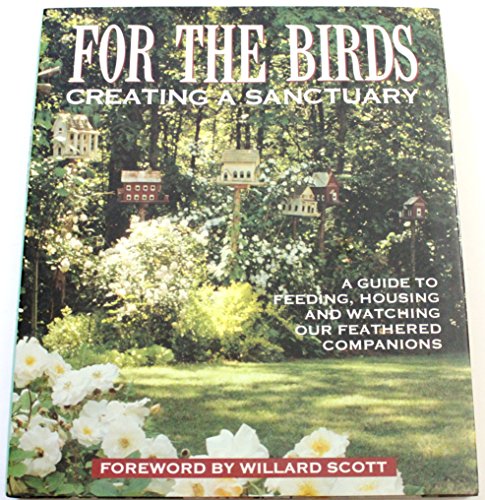
For the Birds: Creating a Sanctuary: A Guide to Feeding, Housing and Watching Our Feathered Companions
Anbieter: Wonder Book, Frederick, MD, USA
Verkäuferbewertung 5 von 5 Sternen

Zustand: As New. Perry Struse (illustrator). Like New condition. Like New dust jacket. A near perfect copy that may have very minor cosmetic defects.
-
For the Birds: Creating a Sanctuary: A Guide to Feeding, Housing and Watching Our Feathered Companions
Anbieter: Wonder Book, Frederick, MD, USA
Verkäuferbewertung 5 von 5 Sternen
Zustand: Very Good. Perry Struse (illustrator). Very Good condition. Good dust jacket. A copy that may have a few cosmetic defects. May also contain light spine creasing or a few markings such as an owner's name, short gifter's inscription or light stamp.
-
For the Birds : Creating a Sanctuary: A Guide to Feeding, Housing, and Watching Our Feathered Companions
Anbieter: Better World Books: West, Reno, NV, USA
Verkäuferbewertung 5 von 5 Sternen
Erstausgabe
Zustand: Good. Perry Struse (illustrator). 1st. Used book that is in clean, average condition without any missing pages.
-
For the Birds : Creating a Sanctuary: A Guide to Feeding, Housing, and Watching Our Feathered Companions
Anbieter: Better World Books, Mishawaka, IN, USA
Verkäuferbewertung 5 von 5 Sternen
Erstausgabe
Zustand: Good. Perry Struse (illustrator). 1st. Used book that is in clean, average condition without any missing pages.
-
For the Birds: Creating a Sanctuary: A Guide to Feeding, Housing and Watching Our Feathered Companions
Anbieter: ThriftBooks-Atlanta, AUSTELL, GA, USA
Verkäuferbewertung 5 von 5 Sternen
Hardcover. Zustand: As New. No Jacket. Perry Struse (illustrator). Pages are clean and are not marred by notes or folds of any kind. ~ ThriftBooks: Read More, Spend Less.
-
For the Birds: Creating a Sanctuary: A Guide to Feeding, Housing and Watching Our Feathered Companions
Anbieter: ThriftBooks-Dallas, Dallas, TX, USA
Verkäuferbewertung 5 von 5 Sternen
Hardcover. Zustand: As New. No Jacket. Perry Struse (illustrator). Pages are clean and are not marred by notes or folds of any kind. ~ ThriftBooks: Read More, Spend Less.
-
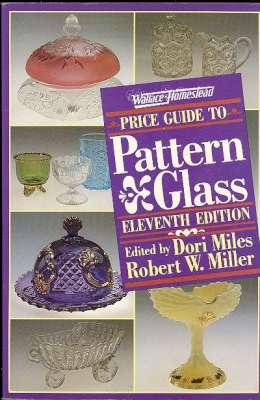
Wallace-Homestead Price Guide to Pattern Glass.
Sprache: Englisch
Verlag: Lombard, IL : Wallace-Homestead, 1986., 1986
ISBN 10: 0870694421 ISBN 13: 9780870694424
Anbieter: Joseph Valles - Books, Stockbridge, GA, USA
Verkäuferbewertung 5 von 5 Sternen
Soft cover. Zustand: Very Good. 11th edition, 6th printing ; 296 pp. : illustrated with black & white photos ; 23 cm. ; ISBN: 0870694421 LCCN: 84-50515 ; OCLC: 14524504 ; serial record, OCLC: 9140654 ; Dewey: 748.2075 ; LC: NK1125; alternate Dewey: 745.1/075 ; followed by OCLC 158 76285 ; pictorial color stiff paper wrappers ; VG. Book.
-
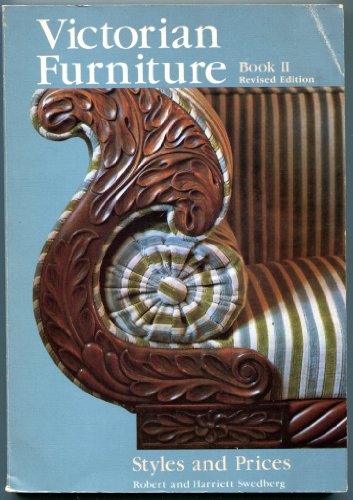
Victorian Furniture Book II Revised Edition; Styles and PricesWest Des Moines, IA
Sprache: Englisch
Verlag: Wallace-Homestead Book Company, Lombard, IL, 1983
ISBN 10: 0870693875 ISBN 13: 9780870693878
Anbieter: Ground Zero Books, Ltd., Silver Spring, MD, USA
Verkäuferbewertung 4 von 5 Sternen

Trade paperback. Zustand: Good. Perry L. Struse, Jr. (Cover photograph) all other (illustrator). Revised Edition. 168 pages. Illustrations (some in color. Glossary of Terms. Bibliography. Index. Cover has some wear and soiling. The chapters are: Main Characteristics of Nineteenth Century Furniture; Let Your Price Book Be Your Guide; Ponderous Empire; Long Live Spool, Hitchcock, and Gothic Furniture; Curvaceous Victorian Grandeur: Louis XV Influence; The Renaissance Extravaganza; The Misfits; Eastlake Goes Straight; Meanwhile, Back at the Farm: Country Furniture; Metal Magic; Wispy Wicker; At Era's End: Golden Oak, Mission, and Stickley; Bits and Pieces; Signs of the Times. Provides illustrations, background information, and current auction prices for mirrors, chairs, bookcases, tables, beds, and cabinets produced in the late nineteenth century. This updated edition of Victorian Furniture Styles and Prices, Book I features hundreds of fine nineteenth century furnishings with accurate, up-to-the-minute [Note: for it's time] prices that dependably reflect the values collectors will encounter in today's Victorian antiques market. As with all of the collecting guides from the highly respected Swedberg writing team, diligent research by the authors has produced a highly informative, readable reference that collectors will turn to again and again. Background to Victorian decoration and furniture. Design of anything in a particular period will depend on the social and creative background to the period and in Victorian Britain there was a massive diversity in styles and a high output of furniture. The Victorians loved to show off their wealth and good taste and this was demonstrated by the interior design and decoration of their homes and the furniture they chose for it. The newly rich entrepreneurs wanted to be seen as equal to or better than the aristocracy and the new middle class wanted to show their success and status to their friends - these desires were manifested in the diversity of furniture styles and choices that were marketed to them. The business class chose furniture with a classical design, which was at odds with the furniture found in the average middle-class home or even those of many wealthy people. However these new designs were copied in a simplified and more economical fashion by other furniture manufacturers and produced on a large scale to sell to the mass market. The design of much Victorian furniture was widely based on older furniture designs. In the first part of Victoria's reign, many design styles were simply copies of earlier ones however in many cases. This period was characterized by more attention paid to surface decoration using gilting, mountings and inlays. Conversely, many later Victorian designs were more about structure and shape. Victorian Arts and Crafts furniture cannot be described as being of one single style but the designers shared a common philosophy of 'honesty' of construction and hand-crafted work with one person responsible for all stages of production. Japanese style furniture was a definite craze because in 1853 Japan reopened its borders and many artists becoming inspired by their unique and interesting aesthetic. Many thought leaders loved the simplicity, purity of form and strong affinity with nature in Japanese art and a group of British designers tried to capture the spirit of the east in their creations. Many furniture makers also started to use dark mahogany which was becoming widely available as the British empire expanded across the globe.

