

Gesamtpreis (1 Artikel Artikel):
Versandziel:

max rameau (9 Ergebnisse)
Direkt zu den wichtigsten Suchergebnissen
Suchfilter
Produktart
- Alle Product Types
- Bücher (8)
- Magazine & Zeitschriften (Keine weiteren Ergebnisse entsprechen dieser Verfeinerung)
- Comics (Keine weiteren Ergebnisse entsprechen dieser Verfeinerung)
- Noten (1)
- Kunst, Grafik & Poster (Keine weiteren Ergebnisse entsprechen dieser Verfeinerung)
- Fotografien (Keine weiteren Ergebnisse entsprechen dieser Verfeinerung)
- Karten (Keine weiteren Ergebnisse entsprechen dieser Verfeinerung)
- Manuskripte & Papierantiquitäten (Keine weiteren Ergebnisse entsprechen dieser Verfeinerung)
Zustand Mehr dazu
- Neu (4)
- Wie Neu, Sehr Gut oder Gut Bis Sehr Gut (Keine weiteren Ergebnisse entsprechen dieser Verfeinerung)
- Gut oder Befriedigend (5)
- Ausreichend oder Schlecht (Keine weiteren Ergebnisse entsprechen dieser Verfeinerung)
- Wie beschrieben (Keine weiteren Ergebnisse entsprechen dieser Verfeinerung)
Einband
- alle Einbände
- Hardcover (Keine weiteren Ergebnisse entsprechen dieser Verfeinerung)
- Softcover (8)
Weitere Eigenschaften
- Erstausgabe (Keine weiteren Ergebnisse entsprechen dieser Verfeinerung)
- Signiert (Keine weiteren Ergebnisse entsprechen dieser Verfeinerung)
- Schutzumschlag (Keine weiteren Ergebnisse entsprechen dieser Verfeinerung)
- Angebotsfoto (2)
Sprache (2)
Preis
- Beliebiger Preis
- Weniger als EUR 20
- EUR 20 bis EUR 45
- Mehr als EUR 45 (Keine weiteren Ergebnisse entsprechen dieser Verfeinerung)
Gratisversand
Land des Verkäufers
Verkäuferbewertung
-

Take Back The Land: Land, Gentrification and the Umoja Village Shantytown
Sprache: Englisch
Verlag: Createspace Independent Pub, 2008
ISBN 10: 1434845567 ISBN 13: 9781434845566
Anbieter: Wonder Book, Frederick, MD, USA
Verkäuferbewertung 5 von 5 Sternen

Zustand: Good. Good condition. A copy that has been read but remains intact. May contain markings such as bookplates, stamps, limited notes and highlighting, or a few light stains.
-
Take Back The Land: Land, Gentrification and the Umoja Village Shantytown
Sprache: Englisch
Verlag: Createspace Independent Pub, 2008
ISBN 10: 1434845567 ISBN 13: 9781434845566
Anbieter: ThriftBooks-Dallas, Dallas, TX, USA
Verkäuferbewertung 5 von 5 Sternen
Paperback. Zustand: Very Good. No Jacket. May have limited writing in cover pages. Pages are unmarked. ~ ThriftBooks: Read More, Spend Less.
-
Take Back The Land: Land, Gentrification and the Umoja Village Shantytown
Sprache: Englisch
Verlag: Createspace Independent Pub, 2008
ISBN 10: 1434845567 ISBN 13: 9781434845566
Anbieter: ThriftBooks-Atlanta, AUSTELL, GA, USA
Verkäuferbewertung 5 von 5 Sternen
Paperback. Zustand: Very Good. No Jacket. May have limited writing in cover pages. Pages are unmarked. ~ ThriftBooks: Read More, Spend Less.
-
Take Back The Land: Land, Gentrification and the Umoja Village Shantytown
Sprache: Englisch
Verlag: Createspace Independent Pub, 2008
ISBN 10: 1434845567 ISBN 13: 9781434845566
Anbieter: ThriftBooks-Atlanta, AUSTELL, GA, USA
Verkäuferbewertung 5 von 5 Sternen
Paperback. Zustand: Good. No Jacket. Pages can have notes/highlighting. Spine may show signs of wear. ~ ThriftBooks: Read More, Spend Less.
-
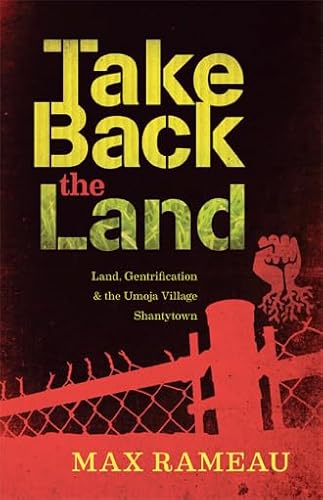
Take Back the Land: Land, Gentrification and the Umoja Village Shantytown
Anbieter: Revaluation Books, Exeter, Vereinigtes Königreich
Verkäuferbewertung 5 von 5 Sternen
EUR 9,08
EUR 11,55 Versand
Versand von Vereinigtes Königreich nach USAAnzahl: 2 verfügbar
In den WarenkorbPaperback. Zustand: Brand New. 2nd edition edition. 140 pages. 8.40x0.60x5.50 inches. In Stock.
-
Take Back the Land: Land, Gentrification, and the Umoja Village Shantytown
Anbieter: Kennys Bookstore, Olney, MD, USA
Verkäuferbewertung 5 von 5 Sternen
Zustand: New. Num Pages: 152 pages, Illustrations. BIC Classification: 1KBBFL; JFC; JFFA; JFSL. Category: (G) General (US: Trade). Dimension: 216 x 138 x 10. Weight in Grams: 206. . 2013. 2nd Edition. paperback. . . . . Books ship from the US and Ireland.
-

Sheet Music. Zustand: Good. Good condition with wear and markings.
-

Zustand: New. KlappentextIn October 2006, a group of housing activists called Take Back the Land seized control of a plot of public land in Miami, Florida and built an encampment that would become known as the Umoja Village Shantytown, a living remind.
-

Take Back The Land : Land, Gentrification, and the Umoja Village Shantytown
Anbieter: AHA-BUCH GmbH, Einbeck, Deutschland
Verkäuferbewertung 5 von 5 Sternen
Taschenbuch. Zustand: Neu. Neuware - In October 2006, a group of housing activists called Take Back the Land seized control of a plot of public land in Miami, Florida and built an encampment that would become known as the Umoja Village Shantytown, a living reminder of the lack of low-cost housing in the city, and a public protest against gentrification. Though the Umoja Village encampment lasted only a few short months, Take Back the Land's actions inspired activists and observers around the country, shifting the conversation, re-politicizing the act of squatting, and helping to catalyze a new movement against the foreclosure crisis that continues to grow stronger as the economy continues to falter. This is the story of the Umoja Village Shantytown, told by its principal architect, the Haitian-born Pan-African theorist, campaign strategist, organizer, and author Max Rameau. Addressing the issues of land, self-determination, and homelessness in the Black community, Rameau explains the birth and development of Umoja Village day by day, and outlines the larger strategy behind Take Back the Land movement.


