
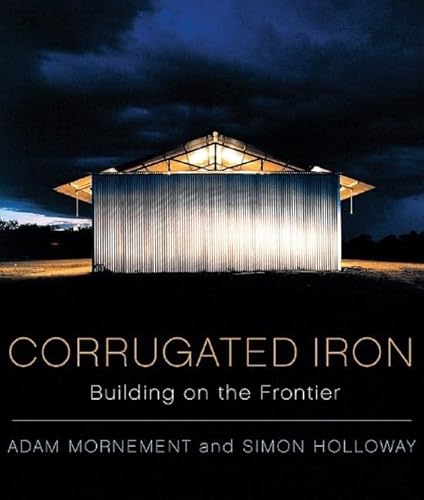
Corrugated Iron : Building on the Frontier
Holloway, Simon, Mornement, Adam
ISBN 10: 0393732401 ISBN 13: 9780393732405
Verlag: Norton & Company, Incorporated, W. W., 2008
Gebraucht
Hardcover
Verkäufer
Better World Books Ltd, Dunfermline, Vereinigtes Königreich
Verkäuferbewertung 5 von 5 Sternen

AbeBooks-Verkäufer seit 13. Oktober 2008
Dieses Exemplar ist nicht mehr verfügbar. Hier sind die ähnlichsten Treffer für Corrugated Iron : Building on the Frontier von Holloway, Simon, Mornement, Adam.
Beschreibung
Beschreibung:
Former library copy. Pages intact with possible writing/highlighting. Binding strong with minor wear. Dust jackets/supplements may not be included. Includes library markings. Stock photo provided. Product includes identifying sticker. Better World Books: Buy Books. Do Good. Bestandsnummer des Verkäufers 10429360-20
Inhaltsangabe:
Within a few years engineers were putting up warehouses and elegant railway stations of corrugated iron. By the late 1840s entrepreneurial manufacturers were sending out build-it-yourself cottages for gold prospectors in California and Australia. Whole townships complete with churches, sports pavilions, hotels, and meeting halls were soon available from catalogs, to be flat-packed and sent around the world. The First World War brought the development of the shelter known as the Nissen hut, perhaps the most iconic of all corrugated iron buildings and forerunner of the Quonset hut.Today corrugated sheet metal has proved invaluable in relief work and is used so often as roofing in the developing world that it can lay claim to shelter more people from the elements than any other building material. But the big surprise comes as architects around the world rediscover the virtues of this durable, biodegradable, and environmentally sound material, sufficiently versatile to create unique works of architecture and to house thousands in disaster zones. It answers the needs of both high-tech aesthetics and low-tech aspirations for affordability and ease of construction, as demonstrated by such cutting-edge architects as Will Bruder and Lake/Flato Architects in the United States; Glenn Murcutt in Australia; Rem Koolhaas, Nicholas Grimshaw, and Foreign Office Architects in Europe; and Shuhei Endo in Japan.Whether the appeal lies in nostalgia for rain on rusting tin roofs or in the sophistication of contemporary architecture, corrugated iron deserves to be taken seriously. It has a long and fascinating history and a future as bright as its past.
Über die Autorinnen und Autoren:
Simon Holloway is an engineer and an expert in architectural restoration. He lives in Shropshire, England, and is the author of a prize-winning historical atlas of breeding birds. His great passion is researching and communicating the history of corrugated iron.
Adam Mornement is a writer and editor specializing in the history of design and contemporary architecture. His books include Extensions, Treehouses, and No Longer Notorious.
„Über diesen Titel“ kann sich auf eine andere Ausgabe dieses Titels beziehen.
Bibliografische Details
Titel: Corrugated Iron : Building on the Frontier
Verlag: Norton & Company, Incorporated, W. W.
Erscheinungsdatum: 2008
Einband: Hardcover
Zustand: Very Good