
Verwandte Artikel zu Taryn Simon: Birds of the West Indies (Zeitgenössische...
Inhaltsangabe
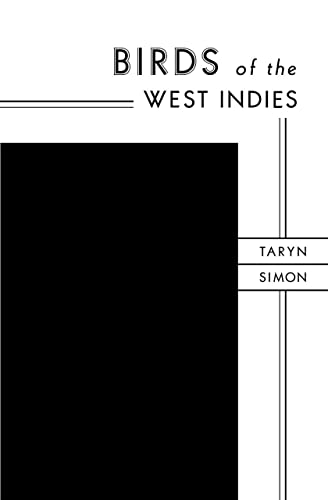
In 1936, an ornithologist called James Bond released the definitive taxonomy of birds found in the Caribbean, titled Birds of the West Indies. Ian Fleming, an active bird watcher living in Jamaica, subsequently appropriated the name for his novel’s lead character. He found it to be perfectly “ordinary”, “brief”, “Anglo-Saxon” and “masculine”. This co-opting of names was the first replacement in a series of substitutions that would become central to the construction of the Bond narrative. In a meticulous and comprehensive dissection of the Bond films, artist Taryn Simon (*1975 in New York) inventoried women, weapons and vehicles in Bond. The contents of these categories function as essential accessories to the narrative’s myth of the seductive, powerful, and invincible western male. In Birds of the West Indies, Simon presents a visual database of interchangeable variables used in the production of fantasy, through which she examines the economic and emotional value generated by their repetition.
Exhibition schedule: 2013 Carnegie International, Pittsburgh October 5, 2013–March 16, 2014
Die Inhaltsangabe kann sich auf eine andere Ausgabe dieses Titels beziehen.
Von der hinteren Coverseite
In 1936, an ornithologist called James Bond released the definitive taxonomy of birds found in the Caribbean, titled Birds of the West Indies. Ian Fleming, an active bird watcher living in Jamaica, subsequently appropriated the name for his novel’s lead character. He found it to be perfectly “ordinary”, “brief”, “Anglo-Saxon” and “masculine”. This co-opting of names was the first replacement in a series of substitutions that would become central to the construction of the Bond narrative. In a meticulous and comprehensive dissection of the Bond films, artist Taryn Simon (*1975 in New York) inventoried women, weapons and vehicles in Bond. The contents of these categories function as essential accessories to the narrative’s myth of the seductive, powerful, and invincible western male. In Birds of the West Indies, Simon presents a visual database of interchangeable variables used in the production of fantasy, through which she examines the economic and emotional value generated by their repetition.
„Über diesen Titel“ kann sich auf eine andere Ausgabe dieses Titels beziehen.
Suchergebnisse für Taryn Simon: Birds of the West Indies (Zeitgenössische...

Foto des Verkäufers
Taryn Simon: Birds of the West Indies (Zeitgenössische Kunst)
Anbieter: artbook-service, Berlin, Deutschland
Verkäuferbewertung 5 von 5 Sternen

Gebunden. Zustand: Sehr gut. Gebraucht - Sehr gut Ungelesenes, vollständiges Exemplar; in sehr gutem Zustand, leichte Lagerspuren, als Mängelexemplar gekennzeichnet -1936 veröffentlichte der Ornithologe James Bond Birds of the West Indies, die ultimative Studie zur Vogelwelt der Karibik. Ian Fleming, der zeitweilig in Jamaika lebte und selbst Vögel beobachtete, übernahm den Namen für den Titelhelden seiner Spionageromane, da er ihm »alltäglich«, »kurz«, »angelsächsisch« und »maskulin« erschien. Fleming nahm damit die erste in einer langen Kette von Tauschhandlungen vor, die zentral für die Struktur der Bond-Geschichten werden sollten.Taryn Simon (\*1975 in New York) durchforschte die James-Bond-Filme und erstellte einen genauen Bestandskatalog aller Frauen, Waffen und Fahrzeuge, die neben dem berühmten Agenten doch immer präsent sind. Mit ihrem Birds of the West Indies präsentiert die Künstlerin eine visuelle Datenbank austauschbarer »Ersatzteile«, in denen sich diese Männerfantasie manifestiert, und untersucht den ökonomischen und emotionalen Wert, der durch ihren variablen Einsatz generiert wird.Ausstellung: 2013 Carnegie International, Pittsburgh 5.10.2013 16.3.2014 440 pp. Englisch. Artikel-Nr. 7070594
Gebraucht kaufen
EUR 8,99
EUR 22,99 Versand
Versand von Deutschland nach USA
Versand von Deutschland nach USA
Anzahl: 2 verfügbar
Beispielbild für diese ISBN
Taryn Simon: Birds of the West Indies
Anbieter: Wonder Book, Frederick, MD, USA
Verkäuferbewertung 5 von 5 Sternen
Zustand: Very Good. Ostfildern: Hatje Cantz, 2013. 4to. 439pp. Illus. Near Fine book. Very Good dust jacket. Dust jacket has minor bump at back joint tail. Inquire if you need further information. Artikel-Nr. MA09A-06146
Gebraucht kaufen
EUR 39,35
Versand gratis
Versand innerhalb von USA
Versand innerhalb von USA
Anzahl: 1 verfügbar
Foto des Verkäufers
Birds of the West Indies.
Verlag:
Ostfildern, Hatje Cantz, 2013
ISBN 10: 3775736638
ISBN 13: 9783775736633
Gebraucht
Hardcover
Anbieter: Leonardu, Benz, Deutschland
Verkäuferbewertung 5 von 5 Sternen
4 ° (quart), linen ribbon. Zustand: Gut. ONLY AS A PACKAGE DUE TO THE WEIGHT (= currently ¤ 4.50 postage). Abroad = 16 ¤! 440 pages, 195 photos, text in English, color cut, illustrated cover, dust jacket, still originally sealed, In 1936, an American ornithologist namens James Bond published the definitive taxonomy Birds of the West Indies. Ian Fleming, an active bird-watcher living in Jamaica, appropriated the name for his novels lead character. This co-opting of a name was the first in a series of substitutions and replacements that would become central to the construction of the Bond narrative. Artist Taeyn Simons Birds of the West Indies takes the name and format of the original Bonds taxonomy to present a photograhic inventory of women, weapons, and vehicles - recurring elements in the James Bond films between 1962 and 2012. This visual database of interchangeable variables used in the produvtion of fantasy examines the economic and emotional value generated by their repetition. Sprache: Deutsch Gewicht in Gramm: 2560. Artikel-Nr. 74208
Gebraucht kaufen
EUR 30,00
EUR 20,00 Versand
Versand von Deutschland nach USA
Versand von Deutschland nach USA
Anzahl: 1 verfügbar
Beispielbild für diese ISBN
Taryn Simon. Birds of the West Indies. An inventory of the women, weapons, and vehicles from James Bond.
Verlag:
Ostfildern, Hatje Cantz, 2013
ISBN 10: 3775736638
ISBN 13: 9783775736633
Gebraucht
Hardcover
Erstausgabe
Anbieter: Klaus Kuhn Antiquariat Leseflügel, Köln, NRW, Deutschland
Verkäuferbewertung 4 von 5 Sternen

1. Auflage,. 195 Abb., 440 Seiten, Sprache: Englisch; Zustand: erstklassiges, neuwertiges Exemplar. Noch in Original-Verlagsfolie eingeschweißt. Sprache: Deutsch Gewicht in Gramm: 2250 29,0 x 19,0 cm, gebundene Ausgabe, Leinen mit Original-Schutzumschlag. Artikel-Nr. 41516
Gebraucht kaufen
EUR 32,00
EUR 18,00 Versand
Versand von Deutschland nach USA
Versand von Deutschland nach USA
Anzahl: 1 verfügbar
Beispielbild für diese ISBN
Birds of the West Indies Birds of the West Indies
Anbieter: Mooney's bookstore, Den Helder, Niederlande
Verkäuferbewertung 4 von 5 Sternen
Zustand: Very Good. Artikel-Nr. 1C326E5694A9194
Gebraucht kaufen
EUR 45,88
EUR 14,95 Versand
Versand von Niederlande nach USA
Versand von Niederlande nach USA
Anzahl: 1 verfügbar
Foto des Verkäufers
Birds of the West Indies. Taryn Simon.
Verlag:
Ostfildern. Hatje Cantz Verlag., 2013
ISBN 10: 3775736638
ISBN 13: 9783775736633
Gebraucht
Hardcover
Anbieter: Antiquariat Bernhardt, Kassel, Deutschland
Verkäuferbewertung 5 von 5 Sternen
Leinen, Zustand: Sehr gut. Mit zahlreichen Abbildungen, 440 Seiten, Zust.: Sehr gutes Exemplar. Mit original Schutzumschlägen. Schneller Versand und persönlicher Service - jedes Buch händisch geprüft und beschrieben - aus unserem Familienbetrieb seit über 25 Jahren. Eine Rechnung mit ausgewiesener Mehrwertsteuer liegt jeder unserer Lieferungen bei. Wir versenden mit der deutschen Post. Sprache: Englisch Gewicht in Gramm: 2504. Artikel-Nr. 370371
Gebraucht kaufen
EUR 17,89
EUR 49,90 Versand
Versand von Deutschland nach USA
Versand von Deutschland nach USA
Anzahl: 1 verfügbar
Beispielbild für diese ISBN
Taryn Simon : Birds of the West Indies
Verlag:
Hatje Cantz, Stuttgart, 2013
ISBN 10: 3775736638
ISBN 13: 9783775736633
Gebraucht
Hardcover
Erstausgabe
Anbieter: Antiquariat UEBUE, Zürich, Schweiz
Verkäuferbewertung 5 von 5 Sternen
Hardcover. Zustand: Sehr gut. Zustand des Schutzumschlags: Wie neu. 1. Auflage. Z : 440 pp., 210 ills. clothbound - In 1936, an ornithologist called James Bond released the definitive taxonomy of birds found in the Caribbean, titled Birds of the West Indies. Ian Fleming, an active bird watcher living in Jamaica, subsequently appropriated the name for his novel s lead character. He found it to be perfectly ordinary , brief , Anglo-Saxon and masculine . This co-opting of names was the first replacement in a series of substitutions that would become central to the construction of the Bond narrative. In a meticulous and comprehensive dissection of the Bond films, artist Taryn Simon (*1975 in New York) inventoried women, weapons and vehicles in Bond. The contents of these categories function as essential accessories to the narrative s myth of the seductive, powerful, and invincible western male. In Birds of the West Indies, Simon presents a visual database of interchangeable variables used in the production of fantasy, through which she examines the economic and emotional value generated by their repetition. Artikel-Nr. ABE-1643919402474
Gebraucht kaufen
EUR 49,04
EUR 26,90 Versand
Versand von Schweiz nach USA
Versand von Schweiz nach USA
Anzahl: 1 verfügbar
Foto des Verkäufers
Taryn Simon: Birds of the West Indies : Birds of the West Indies
Anbieter: AHA-BUCH GmbH, Einbeck, Deutschland
Verkäuferbewertung 5 von 5 Sternen
Gebundene Ausgabe. Zustand: Sehr gut. Gebraucht - Sehr gut ohne schutzumschlag / without jacket - ungelesenes mängelexemplar, gestempelt, mit leichten lagerspuren - 1936 veröffentlichte der Ornithologe James Bond Birds of the West Indies, die ultimative Studie zur Vogelwelt der Karibik. Ian Fleming, der zeitweilig in Jamaika lebte und selbst Vögel beobachtete, übernahm den Namen für den Titelhelden seiner Spionageromane, da er ihm 'alltäglich', 'kurz', 'angelsächsisch' und 'maskulin' erschien. Fleming nahm damit die erste in einer langen Kette von Tauschhandlungen vor, die zentral für die Struktur der Bond-Geschichten werden sollten.Taryn Simon (geb. 1975 in New York) durchforschte die James-Bond-Filme und erstellte einen genauen Bestandskatalog aller Frauen, Waffen und Fahrzeuge, die als unverzichtbare Accessoires des Mythos des attraktiven, durchsetzungsfähigen und unbesiegbaren Mannes vorgestellt werden. Mit ihrem Birds of the West Indies präsentiert die Künstlerin eine visuelle Datenbank austauschbarer 'Ersatzteile', in denen sich diese Männerfantasie manifestiert, und untersucht den ökonomischen und emotionalen Wert, der durch ihren variablen Einsatz generiert wird. Ausstellung: 2013 Carnegie International, Pittsburgh 5.10.2013 -16.3.2014 In 1936, an ornithologist called James Bond released the definitive taxonomy of birds found in the Caribbean, titled Birds of the West Indies. Ian Fleming, an active bird watcher living in Jamaica, subsequently appropriated the name for his novel s lead character. He found it to be perfectly ordinary , brief , Anglo-Saxon and masculine . This co-opting of names was the first replacement in a series of substitutions that would become central to the construction of the Bond narrative. In a meticulous and comprehensive dissection of the Bond films, artist Taryn Simon ( 1975 in New York) inventoried women, weapons and vehicles in Bond. The contents of these categories function as essential accessories to the narrative s myth of the seductive, powerful, and invincible western male. In Birds of the West Indies, Simon presents a visual database of interchangeable variables used in the production of fantasy, through which she examines the economic and emotional value generated by their repetition. Exhibition schedule: 2013 Carnegie International, Pittsburgh October 5, 2013 March 16, 2014. Artikel-Nr. INF1000439412
Gebraucht kaufen
EUR 44,18
EUR 52,57 Versand
Versand von Deutschland nach USA
Versand von Deutschland nach USA
Anzahl: 6 verfügbar
Foto des Verkäufers
Taryn Simon: Birds of the West Indies : Birds of the West Indies
Anbieter: AHA-BUCH GmbH, Einbeck, Deutschland
Verkäuferbewertung 5 von 5 Sternen
Gebundene Ausgabe. Zustand: Sehr gut. Gebraucht - Sehr gut SG - leichte Beschädigungen oder Verschmutzungen, ungelesenes Mängelexemplar, gestempelt, Versand Büchersendung - 1936 veröffentlichte der Ornithologe James Bond Birds of the West Indies, die ultimative Studie zur Vogelwelt der Karibik. Ian Fleming, der zeitweilig in Jamaika lebte und selbst Vögel beobachtete, übernahm den Namen für den Titelhelden seiner Spionageromane, da er ihm 'alltäglich', 'kurz', 'angelsächsisch' und 'maskulin' erschien. Fleming nahm damit die erste in einer langen Kette von Tauschhandlungen vor, die zentral für die Struktur der Bond-Geschichten werden sollten.Taryn Simon (geb. 1975 in New York) durchforschte die James-Bond-Filme und erstellte einen genauen Bestandskatalog aller Frauen, Waffen und Fahrzeuge, die als unverzichtbare Accessoires des Mythos des attraktiven, durchsetzungsfähigen und unbesiegbaren Mannes vorgestellt werden. Mit ihrem Birds of the West Indies präsentiert die Künstlerin eine visuelle Datenbank austauschbarer 'Ersatzteile', in denen sich diese Männerfantasie manifestiert, und untersucht den ökonomischen und emotionalen Wert, der durch ihren variablen Einsatz generiert wird. Ausstellung: 2013 Carnegie International, Pittsburgh 5.10.2013 -16.3.2014. Artikel-Nr. INF1000445446
Gebraucht kaufen
EUR 44,18
EUR 52,57 Versand
Versand von Deutschland nach USA
Versand von Deutschland nach USA
Anzahl: 3 verfügbar
Foto des Verkäufers
Taryn Simon: Birds of the West Indies
Anbieter: Büchermaus, Seesen, Deutschland
Verkäuferbewertung 4 von 5 Sternen
Gebundene Ausgabe. Zustand: Very Good. Das Buch befindet sich in einem guten, gelesenen Zustand. Die Seiten und der Einband sind intakt. Buchrücken/Ecken/Kanten können leichte Gebrauchsspuren aufweisen. Artikel-Nr. 1527936
Gebraucht kaufen
EUR 9,30
EUR 105,00 Versand
Versand von Deutschland nach USA
Versand von Deutschland nach USA
Anzahl: 1 verfügbar