
Verwandte Artikel zu The Jungle
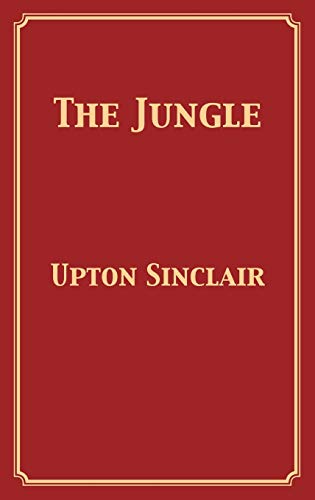
Inhaltsangabe
An ardent activist, champion of political reform, novelist, and progressive journalist, Upton Sinclair is perhaps best known today for The Jungle — his devastating exposé of the meat-packing industry. A protest novel he privately published in 1906, the book was a shocking revelation of intolerable labor practices and unsanitary working conditions in the Chicago stockyards. It quickly became a bestseller, arousing public sentiment and resulting in such federal legislation as the Pure Food and Drug Act. The brutally grim story of a Slavic family who emigrates to America, The Jungle tells of their rapid and inexorable descent into numbing poverty, moral degradation, and social and economic despair. Vulnerable and isolated, the family of Jurgis Rudkus struggles — unsuccessfully — to survive in an urban jungle. A powerful view of turn-of-the-century poverty, graft, and corruption, this fiercely realistic American classic is still required reading in many history and literature classes. It will continue to haunt readers long after they've finished the last page.
Die Inhaltsangabe kann sich auf eine andere Ausgabe dieses Titels beziehen.
Über die Autorin bzw. den Autor
Upton Beall Sinclair Jr. was an American author, sleuth, political organizer, and writer who was born September 20, 1878, and died November 25, 1968. He was the Democratic Party's candidate for governor of California in 1934. He put together almost 100 books and other types of writing. In the first half of the 20th century, Sinclair's writing was well-known and liked. In 1943, he won the Pulitzer Prize for Fiction. Sinclair became famous in 1906 for his classic muck-raking novel, The Jungle. This book showed how dirty and unsafe the U.S. meatpacking industry was, which caused a public uproar that helped pass the Pure Food and Drug Act and the Meat Inspection Act a few months later. He wrote a dirty book about American journalism called "The Brass Check" in 1919. It brought attention to the problem of "yellow journalism" and the limits of the "free press" in the US. Henry Ford's rise to power, including his "wage reform" and the Sociological Department at his company, is told in The Flivver King. It also talks about Ford's fall into antisemitism as editor of The Dearborn Independent. In the coal fields of Colorado, King Coal talks to John D. Rockefeller Jr. about his part in the Ludlow Massacre the year before.
„Über diesen Titel“ kann sich auf eine andere Ausgabe dieses Titels beziehen.
Suchergebnisse für The Jungle

Beispielbild für diese ISBN
The Jungle
Anbieter: Ria Christie Collections, Uxbridge, Vereinigtes Königreich
Verkäuferbewertung 5 von 5 Sternen

Zustand: New. In English. Artikel-Nr. ria9781680921915_new
Neu kaufen
EUR 25,18
EUR 13,48 Versand
Versand von Vereinigtes Königreich nach USA
Versand von Vereinigtes Königreich nach USA
Anzahl: Mehr als 20 verfügbar
Beispielbild für diese ISBN
JUNGLE
Anbieter: Speedyhen, Hertfordshire, Vereinigtes Königreich
Verkäuferbewertung 5 von 5 Sternen
Zustand: NEW. Artikel-Nr. NW9781680921915
Neu kaufen
EUR 20,98
EUR 48,95 Versand
Versand von Vereinigtes Königreich nach USA
Versand von Vereinigtes Königreich nach USA
Anzahl: 3 verfügbar
Foto des Verkäufers
The Jungle
Anbieter: moluna, Greven, Deutschland
Verkäuferbewertung 5 von 5 Sternen
Zustand: New. Artikel-Nr. 448250114
Neu kaufen
EUR 24,43
EUR 48,99 Versand
Versand von Deutschland nach USA
Versand von Deutschland nach USA
Anzahl: Mehr als 20 verfügbar