
Verwandte Artikel zu So Say the Fallen
Inhaltsangabe
A Boston Globe Best Book of the Year
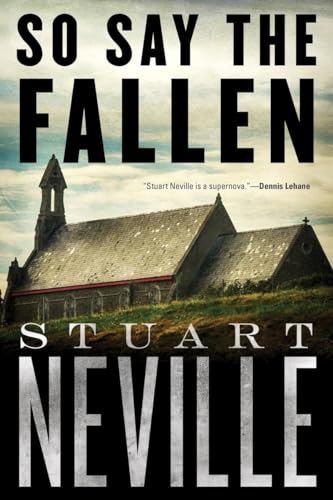
Belfast, Northern Ireland: A man left horrifically maimed by a car accident appears to have taken his own life. It should be an open-and-shut case, but something doesn’t feel right to DCI Serena Flanagan. Flanagan ignores advice to close the case, call it a suicide, and be done with it. As she picks at the threads of the dead man’s life, a disturbing picture emerges, and she realizes the man’s widow, Roberta Garrick, is not what she seems . . .
Die Inhaltsangabe kann sich auf eine andere Ausgabe dieses Titels beziehen.
Über die Autorin bzw. den Autor
Stuart Neville is the author of six other books: Ratlines, which was shortlisted for the CWA Ian Fleming Steel Dagger for Best Thriller; Collusion, a finalist for the Los Angeles Times Book Prize; Stolen Souls, which The Guardian said “confirms him as the king of Belfast noir”; The Final Silence, a nominee for the Edgar Award for Best Novel; Those We Left Behind, a New York Times and Boston Globe Best Crime Novel of the Year; and The Ghosts of Belfast, winner of the Los Angeles Times Book Prize and a finalist for the Macavity Award, the Barry Award, and the Anthony Award for Best First Novel. He lives near Belfast.
Auszug. © Genehmigter Nachdruck. Alle Rechte vorbehalten.
So Say the Fallen
By Stuart NevilleSoho Press
Copyright © 2016 Stuart Neville
All rights reserved.
ISBN: 978-1-61695-739-1All rights reserved.
Chapter 1
Detective Chief Inspector Serena Flanagan focused on the box of tissues that sat on the coffee table between her and Dr. Brady. A leaf of soft paper bursting up and out, ready for her tears. Just like when she’d been diagnosed with cancer. A box like this one had sat close to hand on the desk. She didn’t need one then, and she didn’t need one now.
Dr. Brady had no interest in abnormal cells, growths, tumours. Flanagan’s mind was his concern. He sat cross-legged in the chair on the other side of the table, chewing the end of a biro. It clicked and scratched against his teeth, a persistent noise that triggered memories of exam halls and waiting rooms, and made Flanagan dig at her palms with her nails.
The counsellor pursed his lips and inhaled through his nose in a way that Flanagan found even more irritating than the click-scratch of the pen. Irritating because she knew it preceded another question that she had no desire to answer.
“Do you feel you owe anything to Colin Tandy’s family?” he asked.
“No,” Flanagan said. “Nothing.”
“You’re quite emphatic about that.”
“He made his choice,” she said. “He set out to kill me that morning. He failed. So I killed him.”
Dr. Brady paused, his gaze fixed on hers, a small smile on his lips that might have appeared kindly to anyone but Flanagan.
“But you didn’t kill him,” he said. “You killed the other one, the gunman. Colin Tandy rode away on the motorbike. You had nothing to do with him winding up under a bus.”
Flanagan saw herself outside the small terraced house on the outskirts of Lisburn where she’d taken a statement from an assault victim. She remembered the street, the graffiti painted white on red brick. She saw the bike, the two men, the semi-automatic pistol aimed at her, felt the Glock 17’s grip in her hand. Something hot splitting the air close to her ear. Then the pillion passenger’s helmet cracked open, the jammed pistol useless in his hand. She felt the empty cartridge, sent spinning from the chamber of the Glock, bounce off her cheek. In her mind she heard the brass hit the pavement, a sound like a Christmas bauble falling from the tree, but she knew she couldn’t possibly have heard it over the noise of the traffic and the screaming.
She saw the passenger—Peter Hanratty, she later learned—lean back on the motorcycle’s pillion seat. Then she put one in his chest. This time the cartridge spun into her hair before falling away, falling like the passenger—except he didn’t. His torso hung over the motorcycle’s back wheel, his arms suspended at his sides, feet caught on the rests.
Flanagan moved her aim to the rider, saw the fear in his eyes as she aligned the forward and rear sights of her pistol.
Not armed.
The thought pushed through the terrible stillness of her mind. She couldn’t shoot him. He wasn’t armed. But still she kept pressure on the trigger; a fraction more and the next round would discharge, sending the bullet through the visor of his helmet to pierce him somewhere between his left eye and the bridge of his nose.
They stayed there, both of them, frozen for a second that felt like a day. He knew he was going to die. She knew she was going to kill him.
But she couldn’t. He wasn’t armed.
Flanagan eased her finger from the trigger, released the pressure. He saw the movement of her knuckle, and the bike launched away, spilling the dead passenger to the ground.
She wouldn’t find out until later that bike and rider wound up under a bus only two streets away.
Tandy didn’t die. Not then. He lived on, if it could be called living, for another five years before what remained of him slipped away. Detective Superintendent Purdy had told her in the canteen at Lisburn station during lunch a few weeks ago. Perhaps he could have chosen a better time and place, but how was he to know? Flanagan herself wouldn’t have dreamed the news would tear her in two.
She broke down there in the canteen, in front of everybody—constables, sergeants, inspectors, detectives, cooks, cleaners. They all saw her collapse, levelled by a desperate grief for a man that deserved none from her.
Six sessions she’d had, now. At the end of the first, as Dr. Brady glanced once again at the clock on the wall behind Flanagan, he told her what she’d already figured out for herself: every possible emotion she had about that morning more than five years ago had been wrapped up, tied down, stowed away while Tandy lived the nonlife he had condemned himself to. Only when his body followed his brain into death did the memory rupture and every distorted feeling spill out where she could no longer deny it. Guilt at the men’s deaths, fear at almost meeting her own, elation at surviving, sorrow for their families. These things had grown there in the dark, swelling and bloating like the rogue cells in her breast, until the whole of it flooded her at once, drowning her, more emotion than she could hold within.
Flanagan didn’t remember much about the incident now, the initial breakdown, only how frightened DSI Purdy had looked, the shock on his face. Looking back now, weeks later, it seemed as if she had watched herself from across the room, seeing some other woman splinter into jagged pieces. And if she could, she would have told that woman to pull herself together, not to make a spectacle of herself.
A week of leave and three months of counselling had been prescribed. As if that would fix everything, as if this smug doctor could plaster over the fissures in Flanagan’s mind by simply talking about the incident.
She and Alistair used the unexpected break to book a last-minute holiday in Portstewart on the north coast. An apartment near the old golf course, overlooking the sea. It was a good week. Days spent at the Strand, the long sandy beach at the other end of the town, even if the weather didn’t justify it. They ate at the new restaurant between the dunes, a converted National Trust building, little more than a shack on the beach. Glorious breakfasts and lunches devoured before returning to the sand and the water.
Almost a week of peace, as near to happiness as they’d come in the last year.
One night, as sea spray whispered on the bedroom window, they talked about the proposed counselling. “What harm could it do?” Alistair asked.
More than you can imagine, Flanagan had thought. But she said, “All right, I’ll give it a go.”
And Alistair had put his arms around her and they had made love for the first time in months. He had no nightmares that night, had barely any during the week...
Detective Chief Inspector Serena Flanagan focused on the box of tissues that sat on the coffee table between her and Dr. Brady. A leaf of soft paper bursting up and out, ready for her tears. Just like when she’d been diagnosed with cancer. A box like this one had sat close to hand on the desk. She didn’t need one then, and she didn’t need one now.
Dr. Brady had no interest in abnormal cells, growths, tumours. Flanagan’s mind was his concern. He sat cross-legged in the chair on the other side of the table, chewing the end of a biro. It clicked and scratched against his teeth, a persistent noise that triggered memories of exam halls and waiting rooms, and made Flanagan dig at her palms with her nails.
The counsellor pursed his lips and inhaled through his nose in a way that Flanagan found even more irritating than the click-scratch of the pen. Irritating because she knew it preceded another question that she had no desire to answer.
“Do you feel you owe anything to Colin Tandy’s family?” he asked.
“No,” Flanagan said. “Nothing.”
“You’re quite emphatic about that.”
“He made his choice,” she said. “He set out to kill me that morning. He failed. So I killed him.”
Dr. Brady paused, his gaze fixed on hers, a small smile on his lips that might have appeared kindly to anyone but Flanagan.
“But you didn’t kill him,” he said. “You killed the other one, the gunman. Colin Tandy rode away on the motorbike. You had nothing to do with him winding up under a bus.”
Flanagan saw herself outside the small terraced house on the outskirts of Lisburn where she’d taken a statement from an assault victim. She remembered the street, the graffiti painted white on red brick. She saw the bike, the two men, the semi-automatic pistol aimed at her, felt the Glock 17’s grip in her hand. Something hot splitting the air close to her ear. Then the pillion passenger’s helmet cracked open, the jammed pistol useless in his hand. She felt the empty cartridge, sent spinning from the chamber of the Glock, bounce off her cheek. In her mind she heard the brass hit the pavement, a sound like a Christmas bauble falling from the tree, but she knew she couldn’t possibly have heard it over the noise of the traffic and the screaming.
She saw the passenger—Peter Hanratty, she later learned—lean back on the motorcycle’s pillion seat. Then she put one in his chest. This time the cartridge spun into her hair before falling away, falling like the passenger—except he didn’t. His torso hung over the motorcycle’s back wheel, his arms suspended at his sides, feet caught on the rests.
Flanagan moved her aim to the rider, saw the fear in his eyes as she aligned the forward and rear sights of her pistol.
Not armed.
The thought pushed through the terrible stillness of her mind. She couldn’t shoot him. He wasn’t armed. But still she kept pressure on the trigger; a fraction more and the next round would discharge, sending the bullet through the visor of his helmet to pierce him somewhere between his left eye and the bridge of his nose.
They stayed there, both of them, frozen for a second that felt like a day. He knew he was going to die. She knew she was going to kill him.
But she couldn’t. He wasn’t armed.
Flanagan eased her finger from the trigger, released the pressure. He saw the movement of her knuckle, and the bike launched away, spilling the dead passenger to the ground.
She wouldn’t find out until later that bike and rider wound up under a bus only two streets away.
Tandy didn’t die. Not then. He lived on, if it could be called living, for another five years before what remained of him slipped away. Detective Superintendent Purdy had told her in the canteen at Lisburn station during lunch a few weeks ago. Perhaps he could have chosen a better time and place, but how was he to know? Flanagan herself wouldn’t have dreamed the news would tear her in two.
She broke down there in the canteen, in front of everybody—constables, sergeants, inspectors, detectives, cooks, cleaners. They all saw her collapse, levelled by a desperate grief for a man that deserved none from her.
Six sessions she’d had, now. At the end of the first, as Dr. Brady glanced once again at the clock on the wall behind Flanagan, he told her what she’d already figured out for herself: every possible emotion she had about that morning more than five years ago had been wrapped up, tied down, stowed away while Tandy lived the nonlife he had condemned himself to. Only when his body followed his brain into death did the memory rupture and every distorted feeling spill out where she could no longer deny it. Guilt at the men’s deaths, fear at almost meeting her own, elation at surviving, sorrow for their families. These things had grown there in the dark, swelling and bloating like the rogue cells in her breast, until the whole of it flooded her at once, drowning her, more emotion than she could hold within.
Flanagan didn’t remember much about the incident now, the initial breakdown, only how frightened DSI Purdy had looked, the shock on his face. Looking back now, weeks later, it seemed as if she had watched herself from across the room, seeing some other woman splinter into jagged pieces. And if she could, she would have told that woman to pull herself together, not to make a spectacle of herself.
A week of leave and three months of counselling had been prescribed. As if that would fix everything, as if this smug doctor could plaster over the fissures in Flanagan’s mind by simply talking about the incident.
She and Alistair used the unexpected break to book a last-minute holiday in Portstewart on the north coast. An apartment near the old golf course, overlooking the sea. It was a good week. Days spent at the Strand, the long sandy beach at the other end of the town, even if the weather didn’t justify it. They ate at the new restaurant between the dunes, a converted National Trust building, little more than a shack on the beach. Glorious breakfasts and lunches devoured before returning to the sand and the water.
Almost a week of peace, as near to happiness as they’d come in the last year.
One night, as sea spray whispered on the bedroom window, they talked about the proposed counselling. “What harm could it do?” Alistair asked.
More than you can imagine, Flanagan had thought. But she said, “All right, I’ll give it a go.”
And Alistair had put his arms around her and they had made love for the first time in months. He had no nightmares that night, had barely any during the week...
„Über diesen Titel“ kann sich auf eine andere Ausgabe dieses Titels beziehen.
Suchergebnisse für So Say the Fallen

Beispielbild für diese ISBN
So Say the Fallen
Anbieter: World of Books (was SecondSale), Montgomery, IL, USA
Verkäuferbewertung 5 von 5 Sternen

Hardback. Zustand: Good. A>Boston Globe>Best Book of the Year> Belfast, Northern Ireland: A man left horrifically maimed by a car accident appears to have taken his own life. It should be an open-and-shut case, but something doesn't feel right to DCI Serena Flanagan. Flanagan ignores advice to close the case, call it a suicide, and be done with it. As she picks at the threads of the dead man's life, a disturbing picture emerges, and she realizes the man's widow, Roberta Garrick, is not what she seems . . . Artikel-Nr. 00089983575
Gebraucht kaufen
EUR 5,35
Versand gratis
Versand innerhalb von USA
Versand innerhalb von USA
Anzahl: 3 verfügbar
Beispielbild für diese ISBN
So Say the Fallen
Anbieter: World of Books (was SecondSale), Montgomery, IL, USA
Verkäuferbewertung 5 von 5 Sternen
Hardback. Zustand: Very Good. A>Boston Globe>Best Book of the Year> Belfast, Northern Ireland: A man left horrifically maimed by a car accident appears to have taken his own life. It should be an open-and-shut case, but something doesn't feel right to DCI Serena Flanagan. Flanagan ignores advice to close the case, call it a suicide, and be done with it. As she picks at the threads of the dead man's life, a disturbing picture emerges, and she realizes the man's widow, Roberta Garrick, is not what she seems . . . Artikel-Nr. 00109972345
Gebraucht kaufen
EUR 5,35
Versand gratis
Versand innerhalb von USA
Versand innerhalb von USA
Anzahl: 1 verfügbar
Beispielbild für diese ISBN
So Say the Fallen (The Belfast Novels)
Anbieter: BooksRun, Philadelphia, PA, USA
Verkäuferbewertung 5 von 5 Sternen
Hardcover. Zustand: Fair. The item might be beaten up but readable. May contain markings or highlighting, as well as stains, bent corners, or any other major defect, but the text is not obscured in any way. Artikel-Nr. 1616957395-7-1
Gebraucht kaufen
EUR 5,83
Versand gratis
Versand innerhalb von USA
Versand innerhalb von USA
Anzahl: 1 verfügbar
Beispielbild für diese ISBN
So Say the Fallen (The Belfast Novels)
Anbieter: BooksRun, Philadelphia, PA, USA
Verkäuferbewertung 5 von 5 Sternen
Hardcover. Zustand: Very Good. With dust jacket. It's a well-cared-for item that has seen limited use. The item may show minor signs of wear. All the text is legible, with all pages included. It may have slight markings and/or highlighting. Artikel-Nr. 1616957395-11-1-29
Gebraucht kaufen
EUR 6,00
Versand gratis
Versand innerhalb von USA
Versand innerhalb von USA
Anzahl: 1 verfügbar
Beispielbild für diese ISBN
So Say the Fallen (The Belfast Novels)
Anbieter: ThriftBooks-Reno, Reno, NV, USA
Verkäuferbewertung 5 von 5 Sternen
Hardcover. Zustand: Very Good. No Jacket. Former library book; May have limited writing in cover pages. Pages are unmarked. ~ ThriftBooks: Read More, Spend Less. Artikel-Nr. G1616957395I4N10
Gebraucht kaufen
EUR 6,25
Versand gratis
Versand innerhalb von USA
Versand innerhalb von USA
Anzahl: 1 verfügbar
Beispielbild für diese ISBN
So Say the Fallen (The Belfast Novels)
Anbieter: ThriftBooks-Atlanta, AUSTELL, GA, USA
Verkäuferbewertung 5 von 5 Sternen
Hardcover. Zustand: Good. No Jacket. Missing dust jacket; Pages can have notes/highlighting. Spine may show signs of wear. ~ ThriftBooks: Read More, Spend Less. Artikel-Nr. G1616957395I3N01
Gebraucht kaufen
EUR 6,27
Versand gratis
Versand innerhalb von USA
Versand innerhalb von USA
Anzahl: 1 verfügbar
Beispielbild für diese ISBN
So Say the Fallen (The Belfast Novels)
Anbieter: ThriftBooks-Dallas, Dallas, TX, USA
Verkäuferbewertung 5 von 5 Sternen
Hardcover. Zustand: Very Good. No Jacket. Former library book; May have limited writing in cover pages. Pages are unmarked. ~ ThriftBooks: Read More, Spend Less. Artikel-Nr. G1616957395I4N10
Gebraucht kaufen
EUR 6,27
Versand gratis
Versand innerhalb von USA
Versand innerhalb von USA
Anzahl: 1 verfügbar
Beispielbild für diese ISBN
So Say the Fallen (The Belfast Novels)
Anbieter: ThriftBooks-Atlanta, AUSTELL, GA, USA
Verkäuferbewertung 5 von 5 Sternen
Hardcover. Zustand: Very Good. No Jacket. Former library book; May have limited writing in cover pages. Pages are unmarked. ~ ThriftBooks: Read More, Spend Less. Artikel-Nr. G1616957395I4N10
Gebraucht kaufen
EUR 6,27
Versand gratis
Versand innerhalb von USA
Versand innerhalb von USA
Anzahl: 1 verfügbar
Beispielbild für diese ISBN
So Say the Fallen (The Belfast Novels)
Anbieter: ThriftBooks-Atlanta, AUSTELL, GA, USA
Verkäuferbewertung 5 von 5 Sternen
Hardcover. Zustand: Very Good. No Jacket. May have limited writing in cover pages. Pages are unmarked. ~ ThriftBooks: Read More, Spend Less. Artikel-Nr. G1616957395I4N00
Gebraucht kaufen
EUR 6,27
Versand gratis
Versand innerhalb von USA
Versand innerhalb von USA
Anzahl: 1 verfügbar
Beispielbild für diese ISBN
So Say the Fallen (The Belfast Novels)
Verlag:
Soho Press, Incorporated, 2016
ISBN 10: 1616957395
ISBN 13: 9781616957391
Gebraucht
Hardcover
Anbieter: Better World Books, Mishawaka, IN, USA
Verkäuferbewertung 5 von 5 Sternen
Zustand: Good. Pages intact with minimal writing/highlighting. The binding may be loose and creased. Dust jackets/supplements are not included. Stock photo provided. Product includes identifying sticker. Better World Books: Buy Books. Do Good. Artikel-Nr. 14409257-6
Gebraucht kaufen
EUR 6,35
Versand gratis
Versand innerhalb von USA
Versand innerhalb von USA
Anzahl: 1 verfügbar