
Verwandte Artikel zu Patho-Epigenetics of Disease
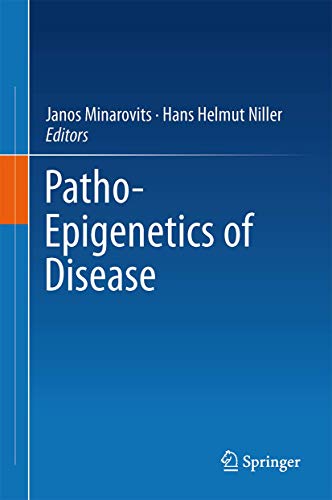
Inhaltsangabe
In multicellular organisms the establishment, maintenance, and programmed alterations of cell-type specific gene expression patterns are regulated by epigenetic mechanisms. Thus, epigenetic alterations (DNA methylation, DNA associated Polycomb-Trithorax protein complexes, histone modifications) ensure the unique transcriptional activity and phenotypic diversity of diploid cells that carry identical or nearly identical DNA sequences.
Because DNA methyltransferase I (DNMT1) associates with replication foci during S phase and prefers hemimethylated DNA as a substrate, DNMT1 ensures the clonal propagation of cytosine methylation patterns (maintenance methylation). Thus, DNA methylation may provide a memory function by helping progeny cells to “remember” their proper cellular identity.
An alternative system of epigenetic memory, the Polycomb and Trithorax groups of protein complexes, that may operate both independently from and in concert with DNA methylation, ensures the heritable regulation of gene expression via modification of histone tails.
The complex interplay of epigenetic regulatory mechanisms permits both the dynamic modulation of gene expression and the faithful transmission of gene expression patterns to each progeny cell upon division. These carefully orchestrated processes can go wrong, however, resulting in epigenetic reprogramming of the cells that may manifest in pathological changes, as it was first realized during the studies of epigenetic alterations in malignant tumors. By now it became a well established fact that not only genetic changes, but also the disruption of epigenetic regulation can result in carcinogenesis and tumor progression. Scientists working in other fields soon followed the pioneering work of cancer researchers, and revealed that epigenetic dysregulation forms the basis of a wide spectrum of humandiseases.Die Inhaltsangabe kann sich auf eine andere Ausgabe dieses Titels beziehen.
Von der hinteren Coverseite
In multicellular organisms the establishment, maintenance, and programmed alterations of cell-type specific gene expression patterns are regulated by epigenetic mechanisms. Thus, epigenetic alterations (DNA methylation, DNA associated Polycomb-Trithorax protein complexes, histone modifications) ensure the unique transcriptional activity and phenotypic diversity of diploid cells that carry identical or nearly identical DNA sequences.
Because DNA methyltransferase I (DNMT1) associates with replication foci during S phase and prefers hemimethylated DNA as a substrate, DNMT1 ensures the clonal propagation of cytosine methylation patterns (maintenance methylation). Thus, DNA methylation may provide a memory function by helping progeny cells to “remember” their proper cellular identity.
An alternative system of epigenetic memory, the Polycomb and Trithorax groups of protein complexes, that may operate both independently from and in concert with DNA methylation, ensures the heritable regulation of gene expression via modification of histone tails.
The complex interplay of epigenetic regulatory mechanisms permits both the dynamic modulation of gene expression and the faithful transmission of gene expression patterns to each progeny cell upon division. These carefully orchestrated processes can go wrong, however, resulting in epigenetic reprogramming of the cells that may manifest in pathological changes, as it was first realized during the studies of epigenetic alterations in malignant tumors. By now it became a well established fact that not only genetic changes, but also the disruption of epigenetic regulation can result in carcinogenesis and tumor progression. Scientists working in other fields soon followed the pioneering work of cancer researchers, and revealed that epigenetic dysregulation forms the basis of a wide spectrum of human diseases.„Über diesen Titel“ kann sich auf eine andere Ausgabe dieses Titels beziehen.
Suchergebnisse für Patho-Epigenetics of Disease

Foto des Verkäufers
Patho-Epigenetics of Disease
Anbieter: moluna, Greven, Deutschland
Verkäuferbewertung 5 von 5 Sternen

Zustand: New. Artikel-Nr. 4198096
Neu kaufen
EUR 136,16
EUR 48,99 Versand
Versand von Deutschland nach USA
Versand von Deutschland nach USA
Anzahl: Mehr als 20 verfügbar
Beispielbild für diese ISBN
Patho-Epigenetics of Disease
Anbieter: Buchpark, Trebbin, Deutschland
Verkäuferbewertung 5 von 5 Sternen
Zustand: Sehr gut. Zustand: Sehr gut | Seiten: 480 | Sprache: Englisch | Produktart: Bücher | In multicellular organisms the establishment, maintenance, and programmed alterations of cell-type specific gene expression patterns are regulated by epigenetic mechanisms. Thus, epigenetic alterations (DNA methylation, DNA associated Polycomb-Trithorax protein complexes, histone modifications) ensure the unique transcriptional activity and phenotypic diversity of diploid cells that carry identical or nearly identical DNA sequences.Because DNA methyltransferase I (DNMT1) associates with replication foci during S phase and prefers hemimethylated DNA as a substrate, DNMT1 ensures the clonal propagation of cytosine methylation patterns (maintenance methylation). Thus, DNA methylation may provide a memory function by helping progeny cells to ¿remember¿ their proper cellular identity. An alternative system of epigenetic memory, the Polycomb and Trithorax groups of protein complexes, that may operate both independently from and in concert with DNA methylation, ensures the heritable regulation of gene expression via modification of histone tails. The complex interplay of epigenetic regulatory mechanisms permits both the dynamic modulation of gene expression and the faithful transmission of gene expression patterns to each progeny cell upon division. These carefully orchestrated processes can go wrong, however, resulting in epigenetic reprogramming of the cells that may manifest in pathological changes, as it was first realized during the studies of epigenetic alterations in malignant tumors. By now it became a well established fact that not only genetic changes, but also the disruption of epigenetic regulation can result in carcinogenesis and tumor progression. Scientists working in other fields soon followed the pioneering work of cancer researchers, and revealed that epigenetic dysregulation forms the basis of a wide spectrum of humandiseases. Artikel-Nr. 11843695/2
Gebraucht kaufen
EUR 85,30
EUR 105,00 Versand
Versand von Deutschland nach USA
Versand von Deutschland nach USA
Anzahl: 2 verfügbar
Beispielbild für diese ISBN
Patho-Epigenetics of Disease
Anbieter: Ria Christie Collections, Uxbridge, Vereinigtes Königreich
Verkäuferbewertung 5 von 5 Sternen
Zustand: New. In English. Artikel-Nr. ria9781461433446_new
Neu kaufen
EUR 186,82
EUR 13,49 Versand
Versand von Vereinigtes Königreich nach USA
Versand von Vereinigtes Königreich nach USA
Anzahl: Mehr als 20 verfügbar
Foto des Verkäufers
Patho-Epigenetics of Disease
Anbieter: GreatBookPricesUK, Woodford Green, Vereinigtes Königreich
Verkäuferbewertung 5 von 5 Sternen
Zustand: As New. Unread book in perfect condition. Artikel-Nr. 17850373
Gebraucht kaufen
EUR 187,43
EUR 17,92 Versand
Versand von Vereinigtes Königreich nach USA
Versand von Vereinigtes Königreich nach USA
Anzahl: 2 verfügbar
Foto des Verkäufers
Patho-Epigenetics of Disease
Anbieter: AHA-BUCH GmbH, Einbeck, Deutschland
Verkäuferbewertung 5 von 5 Sternen
Buch. Zustand: Neu. Druck auf Anfrage Neuware - Printed after ordering - In multicellular organisms the establishment, maintenance, and programmed alterations of cell-type specific gene expression patterns are regulated by epigenetic mechanisms. Thus, epigenetic alterations (DNA methylation, DNA associated Polycomb-Trithorax protein complexes, histone modifications) ensure the unique transcriptional activity and phenotypic diversity of diploid cells that carry identical or nearly identical DNA sequences.Because DNA methyltransferase I (DNMT1) associates with replication foci during S phase and prefers hemimethylated DNA as a substrate, DNMT1 ensures the clonal propagation of cytosine methylation patterns (maintenance methylation). Thus, DNA methylation may provide a memory function by helping progeny cells to 'remember' their proper cellular identity. An alternative system of epigenetic memory, the Polycomb and Trithorax groups of protein complexes, that may operate both independently from and in concert with DNA methylation, ensures the heritable regulation of gene expression via modification of histone tails. The complex interplay of epigenetic regulatory mechanisms permits both the dynamic modulation of gene expression and the faithful transmission of gene expression patterns to each progeny cell upon division. These carefully orchestrated processes can go wrong, however, resulting in epigenetic reprogramming of the cells that may manifest in pathological changes, as it was first realized during the studies of epigenetic alterations in malignant tumors. By now it became a well established fact that not only genetic changes, but also the disruption of epigenetic regulation can result in carcinogenesis and tumor progression. Scientists working in other fields soon followed the pioneering work of cancer researchers, and revealed that epigenetic dysregulation forms the basis of a wide spectrum of humandiseases. Artikel-Nr. 9781461433446
Neu kaufen
EUR 183,30
EUR 35,00 Versand
Versand von Deutschland nach USA
Versand von Deutschland nach USA
Anzahl: 1 verfügbar
Beispielbild für diese ISBN
Patho-Epigenetics of Disease
Anbieter: Revaluation Books, Exeter, Vereinigtes Königreich
Verkäuferbewertung 5 von 5 Sternen
Hardcover. Zustand: Brand New. 1st edition. 465 pages. 9.25x6.25x1.25 inches. In Stock. Artikel-Nr. x-1461433444
Neu kaufen
EUR 246,41
EUR 14,93 Versand
Versand von Vereinigtes Königreich nach USA
Versand von Vereinigtes Königreich nach USA
Anzahl: 2 verfügbar