
Verwandte Artikel zu Trauma Responsive Educational Practices: Helping Students...
Inhaltsangabe
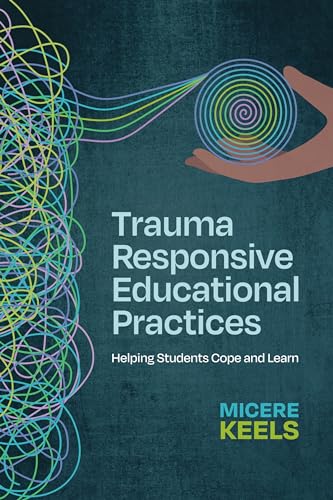
No educator can ignore the effects of traumatic stressors on students. This is especially true for those in schools serving racially and ethnically marginalized or low-income children. Every day, millions of students in the United States go to school weighed down by interpersonal traumas, community traumas, and the traumatic effects of historical and contemporary race-based oppression. A wide range of adverse childhood events--including physical, verbal, emotional, and sexual abuse; chronic bullying; community or domestic violence; and food and housing insecurity--can lead to a host of negative outcomes. However, when schools provide developmentally supportive responses to these challenges, post-traumatic growth becomes possible. In Trauma Responsive Educational Practices, Micere Keels * examines the neurobiology of trauma; * presents mindfulness strategies that strengthen student self-regulation and extend professional longevity; and * demonstrates how to build pedagogically caring relationships, psychologically safe discipline, and an emotionally safe classroom learning climate. Keels also shows educators how to attend to equity and use trauma as a critical lens through which to plan instruction and respond to challenging situations with coregulation. It's important to understand that trauma is subjective and complex, treatment is not prescriptive, and recovery takes time. This book helps educators support students on that road--not merely to survive trauma but to focus on their strengths and flourish with effective coping skills.
Die Inhaltsangabe kann sich auf eine andere Ausgabe dieses Titels beziehen.
Über die Autorin bzw. den Autor
Micere Keels is an associate professor at the University of Chicago and the founding director of the Trauma Responsive Educational Practices Project. For over two decades, she has worked to integrate mental health promotion interventions into educational systems and structures, from early childhood centers to high schools. The TREP Project works to develop the individual and organizational capacity of educators and schools serving children growing up in neighborhoods that have high levels of toxic stress, such as violent crime, concentrated poverty, concentrated foster care involvement, and housing instability.
„Über diesen Titel“ kann sich auf eine andere Ausgabe dieses Titels beziehen.
Suchergebnisse für Trauma Responsive Educational Practices: Helping Students...

Foto des Verkäufers
Trauma Responsive Educational Practices
ISBN 10: 1416631739
ISBN 13: 9781416631736
Neu
Paperback
Anbieter: Rarewaves.com USA, London, LONDO, Vereinigtes Königreich
Verkäuferbewertung 5 von 5 Sternen

Paperback. Zustand: New. No educator can ignore the effects of traumatic stressors on students. This is especially true for those in schools serving racially and ethnically marginalized or low-income children.Every day, millions of students in the United States go to school weighed down by interpersonal traumas, community traumas, and the traumatic effects of historical and contemporary race-based oppression.A wide range of adverse childhood events-including physical, verbal, emotional, and sexual abuse; chronic bullying; community or domestic violence; and food and housing insecurity-can lead to a host of negative outcomes. However, when schools provide developmentally supportive responses to these challenges, post-traumatic growth becomes possible.In Trauma Responsive Educational Practices, Micere Keels* examines the neurobiology of trauma;* presents mindfulness strategies that strengthen student self-regulation and extend professional longevity; and* demonstrates how to build pedagogically caring relationships, psychologically safe discipline, and an emotionally safe classroom learning climate.Keels also shows educators how to attend to equity and use trauma as a critical lens through which to plan instruction and respond to challenging situations with coregulation.It's important to understand that trauma is subjective and complex, treatment is not prescriptive, and recovery takes time. This book helps educators support students on that road-not merely to survive trauma but to focus on their strengths and flourish with effective coping skills. Artikel-Nr. LU-9781416631736
Neu kaufen
EUR 30,37
Versand gratis
Versand von Vereinigtes Königreich nach USA
Versand von Vereinigtes Königreich nach USA
Anzahl: Mehr als 20 verfügbar
Beispielbild für diese ISBN
Trauma Responsive Educational Practices: Helping Students Cope and Learn
Anbieter: California Books, Miami, FL, USA
Verkäuferbewertung 5 von 5 Sternen
Zustand: New. Artikel-Nr. I-9781416631736
Neu kaufen
EUR 28,90
EUR 2,71 Versand
Versand innerhalb von USA
Versand innerhalb von USA
Anzahl: Mehr als 20 verfügbar
Beispielbild für diese ISBN
TRAUMA RESPONSIVE EDUCATIONAL PRACT
Anbieter: Brook Bookstore On Demand, Napoli, NA, Italien
Verkäuferbewertung 5 von 5 Sternen
Zustand: new. Artikel-Nr. SYLDGJTUWM
Neu kaufen
EUR 31,68
EUR 4,00 Versand
Versand von Italien nach USA
Versand von Italien nach USA
Anzahl: Mehr als 20 verfügbar
Beispielbild für diese ISBN
TRAUMA RESPONSIVE EDUCATIONAL PRACT
Anbieter: Kennys Bookshop and Art Galleries Ltd., Galway, GY, Irland
Verkäuferbewertung 5 von 5 Sternen
Zustand: New. Artikel-Nr. V9781416631736
Neu kaufen
EUR 31,79
EUR 9,50 Versand
Versand von Irland nach USA
Versand von Irland nach USA
Anzahl: Mehr als 20 verfügbar
Beispielbild für diese ISBN
Trauma Responsive Educational Practices: Helping Students Cope and Learn
Anbieter: Revaluation Books, Exeter, Vereinigtes Königreich
Verkäuferbewertung 5 von 5 Sternen
Paperback. Zustand: Brand New. 277 pages. 8.98x6.02x0.47 inches. In Stock. Artikel-Nr. x-1416631739
Neu kaufen
EUR 34,41
EUR 11,97 Versand
Versand von Vereinigtes Königreich nach USA
Versand von Vereinigtes Königreich nach USA
Anzahl: 2 verfügbar
Beispielbild für diese ISBN
Trauma Responsive Educational Practices: Helping Students Cope And Learn
Anbieter: GreatBookPricesUK, Woodford Green, Vereinigtes Königreich
Verkäuferbewertung 5 von 5 Sternen
Zustand: New. Artikel-Nr. 45749631-n
Neu kaufen
EUR 28,92
EUR 17,96 Versand
Versand von Vereinigtes Königreich nach USA
Versand von Vereinigtes Königreich nach USA
Anzahl: Mehr als 20 verfügbar
Beispielbild für diese ISBN
Trauma Responsive Educational Practices: Helping Students Cope and Learn
Anbieter: Russell Books, Victoria, BC, Kanada
Verkäuferbewertung 5 von 5 Sternen
paperback. Zustand: New. Special order direct from the distributor. Artikel-Nr. ING9781416631736
Neu kaufen
EUR 30,72
EUR 18,09 Versand
Versand von Kanada nach USA
Versand von Kanada nach USA
Anzahl: Mehr als 20 verfügbar
Beispielbild für diese ISBN
Trauma Responsive Educational Practices: Helping Students Cope And Learn
Anbieter: GreatBookPricesUK, Woodford Green, Vereinigtes Königreich
Verkäuferbewertung 5 von 5 Sternen
Zustand: As New. Unread book in perfect condition. Artikel-Nr. 45749631
Gebraucht kaufen
EUR 31,43
EUR 17,96 Versand
Versand von Vereinigtes Königreich nach USA
Versand von Vereinigtes Königreich nach USA
Anzahl: Mehr als 20 verfügbar
Beispielbild für diese ISBN
TRAUMA RESPONSIVE EDUCATIONAL PRACT
Anbieter: Kennys Bookstore, Olney, MD, USA
Verkäuferbewertung 5 von 5 Sternen
Zustand: New. Artikel-Nr. V9781416631736
Neu kaufen
EUR 41,66
EUR 9,50 Versand
Versand innerhalb von USA
Versand innerhalb von USA
Anzahl: Mehr als 20 verfügbar
Foto des Verkäufers
Trauma Responsive Educational Practices (Paperback)
Verlag:
Association for Supervision & Curriculum Development, 2023
ISBN 10: 1416631739
ISBN 13: 9781416631736
Neu
Paperback
Anbieter: AussieBookSeller, Truganina, VIC, Australien
Verkäuferbewertung 5 von 5 Sternen
Paperback. Zustand: new. Paperback. No educator can ignore the effects of traumatic stressors on students. This is especially true for those in schools serving racially and ethnically marginalized or low-income children.Every day, millions of students in the United States go to school weighed down by interpersonal traumas, community traumas, and the traumatic effects of historical and contemporary race-based oppression.A wide range of adverse childhood events-including physical, verbal, emotional, and sexual abuse; chronic bullying; community or domestic violence; and food and housing insecurity-can lead to a host of negative outcomes. However, when schools provide developmentally supportive responses to these challenges, post-traumatic growth becomes possible.In Trauma Responsive Educational Practices, Micere Keels* examines the neurobiology of trauma;* presents mindfulness strategies that strengthen student self-regulation and extend professional longevity; and* demonstrates how to build pedagogically caring relationships, psychologically safe discipline, and an emotionally safe classroom learning climate.Keels also shows educators how to attend to equity and use trauma as a critical lens through which to plan instruction and respond to challenging situations with coregulation.It's important to understand that trauma is subjective and complex, treatment is not prescriptive, and recovery takes time. This book helps educators support students on that road-not merely to survive trauma but to focus on their strengths and flourish with effective coping skills. A wide range of adverse childhood events - including physical, verbal, emotional, and sexual abuse; chronic bullying; violence; and food and housing insecurity - can lead to a host of negative outcomes. However, when schools provide developmentally supportive responses to these challenges, post-traumatic growth becomes possible. Shipping may be from our Sydney, NSW warehouse or from our UK or US warehouse, depending on stock availability. Artikel-Nr. 9781416631736
Neu kaufen
EUR 39,32
EUR 33,48 Versand
Versand von Australien nach USA
Versand von Australien nach USA
Anzahl: 1 verfügbar