
Verwandte Artikel zu FAIL SAFE: The Classic Cold War Novel That Inspired...
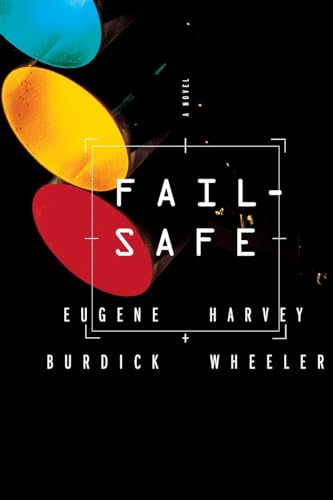
Inhaltsangabe
The inspiration for the 1964 movie starring Henry Fonda
Something has gone wrong. A group of American bombers armed with nuclear weapons is streaking past the fail-safe point, beyond recall, and no one knows why. Their destination -- Moscow.
In a bomb shelter beneath the White House, the calm young president turns to his Russian translator and says, "I think we are ready to talk to Premier Kruschchev." Not far away, in the War Room at the Pentagon, the secretary of defense and his aides watch with growing anxiety as the luminous blips crawl across a huge screen map. High over the Bering Strait in a large Vindicator bomber, a colonel stares in disbelief at the attack code number on his fail-safe box and wonders if it could possibly be a mistake.
First published in 1962, when America was still reeling from the Cuban missle crisis, Fail-Safe reflects the apocalyptic attitude that pervaded society during the height of the Cold War, when disaster could have struck at any moment. As more countries develop nuclear capabilities and the potential for new enemies lurks on the horizon, Fail-Safe and its powerful issues continue to respond.
Die Inhaltsangabe kann sich auf eine andere Ausgabe dieses Titels beziehen.
Über die Autorinnen und Autoren
Eugene Burdick (1918-1965) taught at the University of California at Berkely and was chairman of the World Affairs Council in San Francisco. Among his many books is The Ugly American, the internationally famous novel written with Bill Lederer.
Harvey Wheeler has been a professor of political philosophy at several institutions, including Harvard and Johns Hopkins. He is the author of several books, including Educare and The Rise of the Elders, a novel. He currently lives in Southern California.
Von der hinteren Coverseite
Something has gone wrong. A group of American bombers armed with nuclear weapons is streaking past the fail-safe point, beyond recall, and no one knows why. Their destination -- Moscow.
In a bomb shelter beneath the White House, the calm young president turns to his Russian translator and says, "I think we are ready to talk to Premier Kruschchev." Not far away, in the War Room at the Pentagon, the secretary of defense and his aides watch with growing anxiety as the luminous blips crawl across a huge screen map. High over the Bering Strait in a large Vindicator bomber, a colonel stares in disbelief at the attack code number on his fail-safe box and wonders if it could possibly be a mistake.
First published in 1962, when America was still reeling from the Cuban missle crisis, Fail-Safe reflects the apocalyptic attitude that pervaded society during the height of the Cold War, when disaster could have struck at any moment. As more countries develop nuclear capabilities and the potential for new enemies lurks on the horizon, Fail-Safe and its powerful issues continue to respond.
„Über diesen Titel“ kann sich auf eine andere Ausgabe dieses Titels beziehen.
Suchergebnisse für FAIL SAFE: The Classic Cold War Novel That Inspired...

Beispielbild für diese ISBN
Fail-Safe
Anbieter: World of Books (was SecondSale), Montgomery, IL, USA
Verkäuferbewertung 5 von 5 Sternen

Hardback. Zustand: Good. The inspiration for the 1964 movie starring Henry Fonda Something has gone wrong. A group of American bombers armed with nuclear weapons is streaking past the fail-safe point, beyond recall, and no one knows why. Their destination -- Moscow. In a bomb shelter beneath the White House, the calm young president turns to his Russian translator and says, "I think we are ready to talk to Premier Kruschchev." Not far away, in the War Room at the Pentagon, the secretary of defense and his aides watch with growing anxiety as the luminous blips crawl across a huge screen map. High over the Bering Strait in a large Vindicator bomber, a colonel stares in disbelief at the attack code number on his fail-safe box and wonders if it could possibly be a mistake. First published in 1962, when America was still reeling from the Cuban missle crisis, Fail-Safe reflects the apocalyptic attitude that pervaded society during the height of the Cold War, when disaster could have struck at any moment. As more countries develop nuclear capabilities and the potential for new enemies lurks on the horizon, Fail-Safe and its powerful issues continue to respond. Artikel-Nr. 00104582259
Gebraucht kaufen
EUR 4,52
Versand gratis
Versand innerhalb von USA
Versand innerhalb von USA
Anzahl: 10 verfügbar
Beispielbild für diese ISBN
Fail-Safe
Anbieter: World of Books (was SecondSale), Montgomery, IL, USA
Verkäuferbewertung 5 von 5 Sternen
Hardback. Zustand: Fair. The inspiration for the 1964 movie starring Henry Fonda Something has gone wrong. A group of American bombers armed with nuclear weapons is streaking past the fail-safe point, beyond recall, and no one knows why. Their destination -- Moscow. In a bomb shelter beneath the White House, the calm young president turns to his Russian translator and says, "I think we are ready to talk to Premier Kruschchev." Not far away, in the War Room at the Pentagon, the secretary of defense and his aides watch with growing anxiety as the luminous blips crawl across a huge screen map. High over the Bering Strait in a large Vindicator bomber, a colonel stares in disbelief at the attack code number on his fail-safe box and wonders if it could possibly be a mistake. First published in 1962, when America was still reeling from the Cuban missle crisis, Fail-Safe reflects the apocalyptic attitude that pervaded society during the height of the Cold War, when disaster could have struck at any moment. As more countries develop nuclear capabilities and the potential for new enemies lurks on the horizon, Fail-Safe and its powerful issues continue to respond. Artikel-Nr. 00104688843
Gebraucht kaufen
EUR 4,52
Versand gratis
Versand innerhalb von USA
Versand innerhalb von USA
Anzahl: 1 verfügbar
Foto des Verkäufers
Fail Safe: The Classic Cold War Novel That Inspired the 1964 FilmâA Nuclear Thriller
Anbieter: Dream Books Co., Denver, CO, USA
Verkäuferbewertung 5 von 5 Sternen
Zustand: acceptable. This copy has clearly been enjoyedâ"expect noticeable shelf wear and some minor creases to the cover. Binding is strong, and all pages are legible. May contain previous library markings or stamps. Artikel-Nr. DBV.088001654X.A
Gebraucht kaufen
EUR 4,82
Versand gratis
Versand innerhalb von USA
Versand innerhalb von USA
Anzahl: 1 verfügbar
Beispielbild für diese ISBN
Fail Safe
Anbieter: ThriftBooks-Atlanta, AUSTELL, GA, USA
Verkäuferbewertung 5 von 5 Sternen
Paperback. Zustand: Fair. No Jacket. Readable copy. Pages may have considerable notes/highlighting. ~ ThriftBooks: Read More, Spend Less. Artikel-Nr. G088001654XI5N00
Gebraucht kaufen
EUR 5,97
Versand gratis
Versand innerhalb von USA
Versand innerhalb von USA
Anzahl: 2 verfügbar
Beispielbild für diese ISBN
Fail Safe
Anbieter: ThriftBooks-Atlanta, AUSTELL, GA, USA
Verkäuferbewertung 5 von 5 Sternen
Paperback. Zustand: Good. No Jacket. Pages can have notes/highlighting. Spine may show signs of wear. ~ ThriftBooks: Read More, Spend Less. Artikel-Nr. G088001654XI3N00
Gebraucht kaufen
EUR 5,97
Versand gratis
Versand innerhalb von USA
Versand innerhalb von USA
Anzahl: 2 verfügbar
Beispielbild für diese ISBN
Fail Safe
Anbieter: ThriftBooks-Reno, Reno, NV, USA
Verkäuferbewertung 5 von 5 Sternen
Paperback. Zustand: Fair. No Jacket. Readable copy. Pages may have considerable notes/highlighting. ~ ThriftBooks: Read More, Spend Less. Artikel-Nr. G088001654XI5N00
Gebraucht kaufen
EUR 6,19
Versand gratis
Versand innerhalb von USA
Versand innerhalb von USA
Anzahl: 2 verfügbar
Beispielbild für diese ISBN
Fail Safe
Anbieter: ThriftBooks-Dallas, Dallas, TX, USA
Verkäuferbewertung 5 von 5 Sternen
Paperback. Zustand: Good. No Jacket. Pages can have notes/highlighting. Spine may show signs of wear. ~ ThriftBooks: Read More, Spend Less. Artikel-Nr. G088001654XI3N00
Gebraucht kaufen
EUR 6,19
Versand gratis
Versand innerhalb von USA
Versand innerhalb von USA
Anzahl: 2 verfügbar
Beispielbild für diese ISBN
Fail Safe
Anbieter: ThriftBooks-Phoenix, Phoenix, AZ, USA
Verkäuferbewertung 5 von 5 Sternen
Paperback. Zustand: Fair. No Jacket. Readable copy. Pages may have considerable notes/highlighting. ~ ThriftBooks: Read More, Spend Less. Artikel-Nr. G088001654XI5N00
Gebraucht kaufen
EUR 6,19
Versand gratis
Versand innerhalb von USA
Versand innerhalb von USA
Anzahl: 1 verfügbar
Beispielbild für diese ISBN
Fail Safe
Anbieter: ThriftBooks-Dallas, Dallas, TX, USA
Verkäuferbewertung 5 von 5 Sternen
Paperback. Zustand: Fair. No Jacket. Readable copy. Pages may have considerable notes/highlighting. ~ ThriftBooks: Read More, Spend Less. Artikel-Nr. G088001654XI5N00
Gebraucht kaufen
EUR 6,19
Versand gratis
Versand innerhalb von USA
Versand innerhalb von USA
Anzahl: 2 verfügbar
Beispielbild für diese ISBN
Fail Safe
Anbieter: ThriftBooks-Phoenix, Phoenix, AZ, USA
Verkäuferbewertung 5 von 5 Sternen
Paperback. Zustand: Good. No Jacket. Pages can have notes/highlighting. Spine may show signs of wear. ~ ThriftBooks: Read More, Spend Less. Artikel-Nr. G088001654XI3N00
Gebraucht kaufen
EUR 6,19
Versand gratis
Versand innerhalb von USA
Versand innerhalb von USA
Anzahl: 1 verfügbar