
Verwandte Artikel zu Making a New World: Founding Capitalism in the Bajío...
Inhaltsangabe
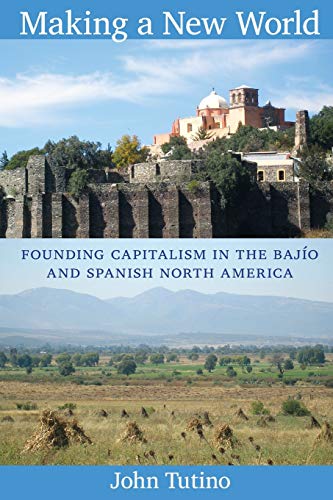
Making a New World is a major rethinking of the role of the Americas in early world trade, the rise of capitalism, and the conflicts that reconfigured global power around 1800. At its center is the Bajío, a fertile basin extending across the modern-day Mexican states of Guanajuato and Querétaro, northwest of Mexico City. The Bajío became part of a new world in the 1530s, when Mesoamerican Otomís and Franciscan friars built Querétaro, a town that quickly thrived on agriculture and trade. Settlement accelerated as regional silver mines began to flourish in the 1550s. Silver tied the Bajío to Europe and China; it stimulated the development of an unprecedented commercial, patriarchal, Catholic society. A frontier extended north across vast expanses settled by people of European, Amerindian, and African ancestry. As mining, cloth making, and irrigated cultivation increased, inequities deepened and religious debates escalated. Analyzing the political economy, social relations, and cultural conflicts that animated the Bajío and Spanish North America from 1500 to 1800, John Tutino depicts an engine of global capitalism and the tensions that would lead to its collapse into revolution in 1810.
Die Inhaltsangabe kann sich auf eine andere Ausgabe dieses Titels beziehen.
Über die Autorin bzw. den Autor
John Tutino teaches the history of Mexico and the Americas in the History Department and the School of Foreign Service at Georgetown University. He is the author of From Insurrection to Revolution in Mexico: Social Bases of Agrarian Violence, 1750-1940, and a co-editor of Cycles of Conflict, Centuries of Change: Crisis, Reform, and Revolution in Mexico, also published by Duke University Press.
Auszug. © Genehmigter Nachdruck. Alle Rechte vorbehalten.
Making a New World
FOUNDING CAPITALISM IN THE BAJÍO AND SPANISH NORTH AMERICABy JOHN TUTINODuke University Press
Copyright © 2011 Duke University PressAll right reserved.
ISBN: 978-0-8223-4989-1
Contents
LIST OF MAPS AND ILLUSTRATIONS............................................................................................................................................ixPROLOGUE: Making Global History in the Spanish Empire.....................................................................................................................1A NOTE ON TERMINOLOGY.....................................................................................................................................................27Introduction: A New World: The Bajío, Spanish North America, and Global Capitalism...................................................................................29Part I Making a New World THE BAJÍO AND SPANISH NORTH AMERICA, 1500–1770......................................................................................63Chapter 1. Founding the Bajío: Otomí Expansion, Chichimeca War, and Commercial Querétaro, 1500–1660..................................................65Chapter 2. Forging Spanish North America: Northward Expansions, Mining Amalgamations, and Patriarchal Communities, 1590–1700........................................121Chapter 3. New World Revivals: Silver Boom, City Lives, Awakenings, and Northward Drives, 1680–1760.................................................................159Chapter 4. Reforms, Riots, and Repressions: The Bajío in the Crisis of the 1760s.....................................................................................228Part II Forging Atlantic Capitalism THE BAJÍO, 1770–1810......................................................................................................261Chapter 5. Capitalist, Priest, and Patriarch: Don José Sánchez Espinosa and the Great Family Enterprises of Mexico City, 1780–1810........................263Chapter 6. Production, Patriarchy, and Polarization in the Cities: Guanajuato, San Miguel, and Querétaro, 1770–1810............................................300Chapter 7. The Challenge of Capitalism in Rural Communities: Production, Ethnicity, and Patriarchy from La Griega to Puerto de Nieto, 1780–1810.....................352Conclusion: The Bajío and North America in the Atlantic Crucible.....................................................................................................451Epilogue: Toward Unimagined Revolution....................................................................................................................................487Acknowledgments...........................................................................................................................................................493APPENDIX A: Employers and Workers at Querétaro, 1588–1609......................................................................................................499APPENDIX B: Production, Patriarchy, and Ethnicity in the Bajío Bottomlands, 1670–1685..........................................................................509APPENDIX C: Bajío Population, 1600–1800........................................................................................................................529APPENDIX D: Eighteenth-Century Economic Indicators: Mining and Taxed Commerce.............................................................................................549APPENDIX E: The Sierra Gorda and New Santander, 1740–1760...........................................................................................................559APPENDIX F: Population, Ethnicity, Family, and Work in Rural Communities, 1791–1792.................................................................................573APPENDIX G: Tributes and Tributaries in the Querétaro District, 1807.................................................................................................609NOTES.....................................................................................................................................................................617BIBLIOGRAPHY..............................................................................................................................................................665INDEX.....................................................................................................................................................................685
Chapter One
Founding the BajíoOtomí Expansion, Chichimeca War, and Commercial Querétaro, 1500–1660
THE BAJÍO WITNESSED unprecedented encounters, enduring conflicts, and transforming changes in the sixteenth century. Once a place of towns and cultivators in Mesoamerica's classic past, it was little inhabited and minimally cultivated around 1500. Mesoamerican states fought each other and mobile Chichimecas in a prolonged frontier stalemate. Then, beginning in the 1520s Mesoamericans, Europeans, and Africans arrived from the south, settled the basin, and reconstituted power, production, and culture. The foundation of Querétaro led a historic process. Otomí lords and cultivators built the town, irrigated nearby lands, and began new trades. After silver was found to the north at Zacatecas in the 1540s, Spaniards and their African slaves, Otomí and other Mesoamericans, and vast droves of cattle and sheep invaded the Bajío and the lands stretching north and west. Decades of conflict followed, as Chichimecas resisted and adapted to invasions and opportunities. Spaniards aimed to rule and profit. Yet they relied on Otomí and other native allies to fight Chichimecas, and on Mesoamericans and Africans to build a new economy. European power was uncertain and native subordination was long contested in the early Bajío.
Deep in the American interior Querétaro saw the creation of an Atlantic amalgam of Mesoamericans, Europeans, and Africans. Otomí leaders were surprisingly powerful; Otomí cultivators controlled the best, irrigated lands. Europeans struggled to assert dominance. Africans labored, yet increasingly became free. Immigrant Mexicas, Tarascans, and Otomí came and negotiated new ways of work. Spaniards promoted an Atlantic economy and an Iberian regime, yet they had to negotiate indigenous subordination and African service. Around 1600 a nascent commercial economy, an emerging labor market, and a multicultural society consolidated at Querétaro—the base of an expansive, commercial Spanish North America. Warrior entrepreneurs, Otomí and Spanish, led that foundation. The colonial state was among the many forces shaping early Querétaro and the Bajío, but rarely the most powerful. Officials struggled to favor Spanish allies, fill regime coffers, and mediate among diverse people and interests in times of economic opportunity and persistent conflict. That crucible forged an unprecedented Atlantic economy and New World society.
Before regimes and societies there are geographies. The Valle de los Chichimecas, now the Bajío, lies north of the volcanic axis that links the eastern and western Sierras near Mexico City. Between the Sierras the northern basin and plateau country is potentially fertile, thanks to...
„Über diesen Titel“ kann sich auf eine andere Ausgabe dieses Titels beziehen.
Suchergebnisse für Making a New World: Founding Capitalism in the Bajío...

Beispielbild für diese ISBN
Making a New World: Founding Capitalism in the Baj?o and Spanish North America
Anbieter: World of Books (was SecondSale), Montgomery, IL, USA
Verkäuferbewertung 5 von 5 Sternen

Zustand: Good. Item in good condition and has highlighting/writing on text. Used texts may not contain supplemental items such as CDs, info-trac etc. Artikel-Nr. 00107218060
Gebraucht kaufen
EUR 4,41
Versand gratis
Versand innerhalb von USA
Versand innerhalb von USA
Anzahl: 1 verfügbar
Beispielbild für diese ISBN
Making a New World : Founding Capitalism in the BajÃÂo and Spanish North America
Anbieter: Better World Books: West, Reno, NV, USA
Verkäuferbewertung 5 von 5 Sternen
Zustand: Very Good. Former library copy. Pages intact with possible writing/highlighting. Binding strong with minor wear. Dust jackets/supplements may not be included. Includes library markings. Stock photo provided. Product includes identifying sticker. Better World Books: Buy Books. Do Good. Artikel-Nr. 45224277-75
Gebraucht kaufen
EUR 6,93
Versand gratis
Versand innerhalb von USA
Versand innerhalb von USA
Anzahl: 1 verfügbar
Beispielbild für diese ISBN
Making a New World: Founding Capitalism in the BajÃo and Spanish North America
Anbieter: ThriftBooks-Dallas, Dallas, TX, USA
Verkäuferbewertung 5 von 5 Sternen
Paperback. Zustand: Good. No Jacket. Pages can have notes/highlighting. Spine may show signs of wear. ~ ThriftBooks: Read More, Spend Less. Artikel-Nr. G0822349892I3N00
Gebraucht kaufen
EUR 6,94
Versand gratis
Versand innerhalb von USA
Versand innerhalb von USA
Anzahl: 1 verfügbar
Beispielbild für diese ISBN
Making a New World : Founding Capitalism in the BajÃo and Spanish North America
Anbieter: Better World Books Ltd, Dunfermline, Vereinigtes Königreich
Verkäuferbewertung 5 von 5 Sternen
Zustand: Very Good. Former library copy. Pages intact with possible writing/highlighting. Binding strong with minor wear. Dust jackets/supplements may not be included. Includes library markings. Stock photo provided. Product includes identifying sticker. Better World Books: Buy Books. Do Good. Artikel-Nr. 45224277-75
Gebraucht kaufen
EUR 5,63
EUR 5,83 Versand
Versand von Vereinigtes Königreich nach USA
Versand von Vereinigtes Königreich nach USA
Anzahl: 1 verfügbar
Beispielbild für diese ISBN
Making a New World Founding Capitalism in the Bajío and Spanish North America
Anbieter: Revaluation Books, Exeter, Vereinigtes Königreich
Verkäuferbewertung 5 von 5 Sternen
Paperback. Zustand: Brand New. 712 pages. 9.00x6.00x1.75 inches. In Stock. Artikel-Nr. x-0822349892
Neu kaufen
EUR 71,44
EUR 14,58 Versand
Versand von Vereinigtes Königreich nach USA
Versand von Vereinigtes Königreich nach USA
Anzahl: 2 verfügbar
Foto des Verkäufers
Making a New World
Anbieter: moluna, Greven, Deutschland
Verkäuferbewertung 5 von 5 Sternen
Kartoniert / Broschiert. Zustand: New. This history of the political economy, social relations, and cultural debates that animated Spanish North America from 1500 until 1800 illuminates its centuries of capitalist dynamism and subsequent collapse into revolution.Über den Autor. Artikel-Nr. 601199951
Neu kaufen
EUR 47,68
EUR 48,99 Versand
Versand von Deutschland nach USA
Versand von Deutschland nach USA
Anzahl: Mehr als 20 verfügbar
Foto des Verkäufers
Making a New World : Founding Capitalism in the Bajío and Spanish North America
Verlag:
Duke University Press Aug 2011, 2011
ISBN 10: 0822349892
ISBN 13: 9780822349891
Neu
Taschenbuch
Anbieter: AHA-BUCH GmbH, Einbeck, Deutschland
Verkäuferbewertung 5 von 5 Sternen
Taschenbuch. Zustand: Neu. Neuware - Making a New World is a major rethinking of the role of the Americas in early world trade, the rise of capitalism, and the conflicts that reconfigured global power around 1800. At its center is the BajÍo, a fertile basin extending across the modern-day Mexican states of Guanajuato and QuerÉtaro, northwest of Mexico City. The BajÍo became part of a new world in the 1530s, when Mesoamerican OtomÍs and Franciscan friars built QuerÉtaro, a town that quickly thrived on agriculture and trade. Settlement accelerated as regional silver mines began to flourish in the 1550s. Silver tied the BajÍo to Europe and China; it stimulated the development of an unprecedented commercial, patriarchal, Catholic society. A frontier extended north across vast expanses settled by people of European, Amerindian, and African ancestry. As mining, cloth making, and irrigated cultivation increased, inequities deepened and religious debates escalated. Analyzing the political economy, social relations, and cultural conflicts that animated the BajÍo and Spanish North America from 1500 to 1800, John Tutino depicts an engine of global capitalism and the tensions that would lead to its collapse into revolution in 1810. Artikel-Nr. 9780822349891
Neu kaufen
EUR 90,98
EUR 30,50 Versand
Versand von Deutschland nach USA
Versand von Deutschland nach USA
Anzahl: 1 verfügbar