
Verwandte Artikel zu Mendelssohn and His World (Bard Music Festival) (The...
Mendelssohn and His World (Bard Music Festival) (The Bard Music Festival) - Softcover
Buch 11 von 26: The Bard Music Festival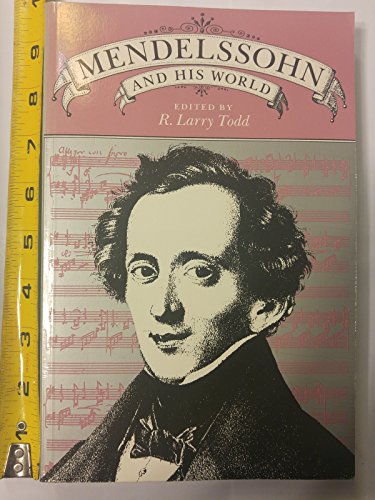
Inhaltsangabe
During the 1830s and 1840s the remarkably versatile composer-pianist-organist-conductor Felix Mendelssohn-Bartholdy stood at the forefront of German and English musical life. Bringing together previously unpublished essays by historians and musicologists, reflections on Mendelssohn written by his contemporaries, the composer's own letters, and early critical reviews of his music, this volume explores various facets of Mendelssohn's music, his social and intellectual circles, and his career. The essays in Part I cover the nature of a Jewish identity in Mendelssohn's music (Leon Botstein); his relationship to the Berlin Singakademie (William A. Little); the role of his sister Fanny Hensel, herself a child prodigy and accomplished composer (Nancy Reich); Mendelssohn's compositional craft in the Italian Symphony and selected concert overtures (Claudio Spies); his oratorio Elijah (Martin Staehelin); his incidental music to Sophocles' Antigone (Michael P. Steinberg); his anthem "Why, O Lord, delay forever" (David Brodbeck); and an unfinished piano sonata (R. Larry Todd). Part II presents little-known memoirs by such contemporaries as J. C. Lobe, A. B. Marx, Julius Schubring, C. E. Horsley, Max Mller, and Betty Pistor. Mendelssohn's letters are represented in Part III by his correspondence with Wilhelm von Boguslawski and Aloys Fuchs, here translated for the first time. Part IV contains late nineteenth-century critical reviews by Heinrich Heine, Franz Brendel, Friedrich Niecks, Otto Jahn, and Hans von Blow.
Die Inhaltsangabe kann sich auf eine andere Ausgabe dieses Titels beziehen.
Über die Autorin bzw. den Autor
Edited by R. Larry Todd
Auszug. © Genehmigter Nachdruck. Alle Rechte vorbehalten.
MENDELSSOHN AND HIS WORLD
PRINCETON UNIVERSITY PRESS
Copyright © 1991 Princeton University PressAll right reserved.
ISBN: 978-0-691-02715-9
Contents
Preface...............................................................................................................................................................................................ixAcknowledgments.......................................................................................................................................................................................xiiiThe Aesthetics of Assimilation and Affirmation: Reconstructing the Career of Felix Mendelssohn LEON BOTSTEIN.........................................................................................5Some Notes on an Anthem by Mendelssohn DAVID BRODBECK................................................................................................................................................43Mendelssohn and the Berlin Singakademie: The Composer at the Crossroads WM. A. LITTLE................................................................................................................65The Power of Class: Fanny Hensel NANCY B. REICH......................................................................................................................................................86Samplings CLAUDIO SPIES..............................................................................................................................................................................100Elijah, Johann Sebastian Bach, and the New Covenant: On the Aria "Es ist genug" in Felix Mendelssohn-Bartholdy's Oratorio Elijah MARTIN STAEHELIN TRANSLATED BY SUSAN GILLESPIE.....................121The Incidental Politics to Mendelssohn's Antigone MICHAEL P. STEINBERG...............................................................................................................................137The Unfinished Mendelssohn R. LARRY TODD.............................................................................................................................................................158From the Memoirs of Adolf Bernhard Marx TRANSLATED BV SUSAN GILLESPIE................................................................................................................................206Reminiscences of Felix Mendelssohn-Bartholdy JULIUSS CHUBRING........................................................................................................................................221Reminiscences of Mendelssohn by His English Pupil CHARLES EDWARD HORSLEY.............................................................................................................................237From the Memoirs of F. Max Muller.....................................................................................................................................................................252From the Memoirs of Ernst Rudorff TRANSLATED AND ANNOTATED BY NANCY B. REICH.........................................................................................................................259Letters from Felix Mendelssohn-Bartholdy to Aloys Fuchs EDUARD HANSLICK TRANSLATED BY SUSAN GILLESPIE...............................................................................................275Mendelssohn as Teacher, with Previously Unpublished Letters from Mendelssohn to Wilhelm v. Boguslawski BRUNO HAKE TRANSLATED BY SUSAN GILLESPIE.....................................................310Robert Schumann with Reference to Mendelssohn-Bartholdy and the Development of Modern Music in General FRANZ BRENDEL TRANSLATED BY SUSAN GILLESPIE..................................................341Heinrich Heine on Mendelssohn SELECTED AND INTRODUCED BY LEON BOTSTEIN TRANSLATED BY SUSAN GILLESPIE................................................................................................352On F. Mendelssohn-Bartholdy's Oratorio Elijah OTTO JAHN TRANSLATED BY SUSAN GILLESPIE...............................................................................................................364On Mendelssohn and Some of His Contemporary Critics FRIEDRICH NIECKS.................................................................................................................................382Felix Mendelssohn HANS VON BÜLOW TRANSLATED BY SUSAN GILLESPIE.................................................................................................................................390Index of Names and Compositions.......................................................................................................................................................................395List of Contributors..................................................................................................................................................................................403
Chapter One
The Aesthetics of Assimilation and Affirmation: Reconstructing the Career of Felix MendelssohnLEON BOTSTEIN
The Mendelssohn Problem
Since the end of World War II, attempts to restore the stature of Felix Mendelssohn and bring more of his music onto the concert stage have become increasingly frequent. Among the reasons for this phenomenon is the postwar German guilt about the Nazis who sought to desecrate Mendelssohn's memory, suppress his music, and falsify his role in history in accordance with theories concerning race and art. The postwar reaction to the Nazi campaign was significant, considering the extent of collusion by the musicological community in these efforts. Interest in Mendelssohn since 1945 has spurred significant research and discoveries, which in turn have helped to strengthen Mendelssohn's reputation, particularly in view of the vitality and novelty of the early musical works that have entered the repertoire.
The Nazi interpretation of Mendelssohn was not exactly novel. It culminated a long history of antipathy, particularly in Germany. Even though some contemporaries, including Schumann and Berlioz, maintained certain doubts about much of Mendelssohn's output, the anti-Mendelssohn campaign began in earnest in 1850 with the publication of Wagner's essay "Judaism in Music." The success of the contemptuous Wagnerian view of Mendelssohn the man, his music, and its social and cultural influence was profound. Wagner's aesthetics were framed in explicit opposition to Mendelssohn. Wagner even succeeded in obscuring the extent to which he, as a composer, was indebted to Mendelssohn's musical work.
The triumph of Wagnerianism by the end of the century created a barrier to wide-ranging appreciation of Mendelssohn's music. By the early twentieth century, much of the music had vanished from the repertory. Some—the piano music in particular—had been relegated to the category of well-written music adequate for amateur performance but lacking in profundity. The concert canon circa 1900 included a few overtures, the Third and Fourth Symphonies, the Octet, and the E-minor Violin Concerto. The programs conducted by Gustav Mahler in his career from 1870 to 1911 and performed by the Rosé Quartet in the years 1883-1932 exemplify this phenomenon.
The transformation of aesthetic taste during the second half of the nineteenth century lent Mendelssohn's music an undeserved and pejorative symbolic meaning. After the 1880s, in England, Germany, and also America, the tenets of cultural modernism were linked to a generational revolt...
„Über diesen Titel“ kann sich auf eine andere Ausgabe dieses Titels beziehen.
Suchergebnisse für Mendelssohn and His World (Bard Music Festival) (The...

Beispielbild für diese ISBN
Mendelssohn and His World
Verlag:
Princeton University Press, 1991
ISBN 10: 0691027153
ISBN 13: 9780691027159
Gebraucht
Paperback
Anbieter: ThriftBooks-Dallas, Dallas, TX, USA
Verkäuferbewertung 5 von 5 Sternen

Paperback. Zustand: Good. No Jacket. Pages can have notes/highlighting. Spine may show signs of wear. ~ ThriftBooks: Read More, Spend Less. Artikel-Nr. G0691027153I3N00
Gebraucht kaufen
EUR 6,44
Versand gratis
Versand innerhalb von USA
Versand innerhalb von USA
Anzahl: 1 verfügbar
Beispielbild für diese ISBN
Mendelssohn and His World
Verlag:
Princeton University Press, 1991
ISBN 10: 0691027153
ISBN 13: 9780691027159
Gebraucht
Softcover
Anbieter: Better World Books: West, Reno, NV, USA
Verkäuferbewertung 5 von 5 Sternen
Zustand: Very Good. Former library copy. Pages intact with possible writing/highlighting. Binding strong with minor wear. Dust jackets/supplements may not be included. Includes library markings. Stock photo provided. Product includes identifying sticker. Better World Books: Buy Books. Do Good. Artikel-Nr. 9332358-6
Gebraucht kaufen
EUR 8,47
Versand gratis
Versand innerhalb von USA
Versand innerhalb von USA
Anzahl: 1 verfügbar
Beispielbild für diese ISBN
Mendelssohn and His World
Verlag:
Princeton University Press, 1991
ISBN 10: 0691027153
ISBN 13: 9780691027159
Gebraucht
Softcover
Anbieter: Better World Books Ltd, Dunfermline, Vereinigtes Königreich
Verkäuferbewertung 5 von 5 Sternen
Zustand: Good. Former library copy. Pages intact with minimal writing/highlighting. The binding may be loose and creased. Dust jackets/supplements are not included. Includes library markings. Stock photo provided. Product includes identifying sticker. Better World Books: Buy Books. Do Good. Artikel-Nr. 9105996-6
Gebraucht kaufen
EUR 9,01
EUR 5,83 Versand
Versand von Vereinigtes Königreich nach USA
Versand von Vereinigtes Königreich nach USA
Anzahl: 1 verfügbar
Beispielbild für diese ISBN
MENDELSSOHN AND HIS WORLD
Verlag:
Princeton University Press, 1991
ISBN 10: 0691027153
ISBN 13: 9780691027159
Gebraucht
Paperback
Anbieter: Easton's Books, Inc., Mount Vernon, WA, USA
Verkäuferbewertung 5 von 5 Sternen
Paperback. Zustand: VG+. Paperback in Very Good+ condition. Ink ownership inscription. . 8vo 8" - 9" tall. 401 pages. * Quick Shipping * All Books Mailed in Boxes * Free Tracking Provided *. Artikel-Nr. 32777
Gebraucht kaufen
EUR 22,66
EUR 5,28 Versand
Versand innerhalb von USA
Versand innerhalb von USA
Anzahl: 1 verfügbar
Beispielbild für diese ISBN
Mendelssohn and His World
Verlag:
Princeton University Press, 1991
ISBN 10: 0691027153
ISBN 13: 9780691027159
Gebraucht
Hardcover
Anbieter: Anybook.com, Lincoln, Vereinigtes Königreich
Verkäuferbewertung 5 von 5 Sternen
Zustand: Good. This is an ex-library book and may have the usual library/used-book markings inside.This book has hardback covers. Clean from markings. In good all round condition. Re-bound by library. Please note the Image in this listing is a stock photo and may not match the covers of the actual item,750grams, ISBN:9780691027159. Artikel-Nr. 9721098
Gebraucht kaufen
EUR 15,20
EUR 15,21 Versand
Versand von Vereinigtes Königreich nach USA
Versand von Vereinigtes Königreich nach USA
Anzahl: 1 verfügbar
Foto des Verkäufers
Mendelssohn and His World
Verlag:
Princeton University Press, (New Jersey), 1991
ISBN 10: 0691027153
ISBN 13: 9780691027159
Gebraucht
Softcover
Erstausgabe
Anbieter: Between the Covers-Rare Books, Inc. ABAA, Gloucester City, NJ, USA
Verkäuferbewertung 5 von 5 Sternen
Softcover. Zustand: Near Fine. First edition. 401pp. Pictorial, glossy wrappers. Faded remainder mark on bottom page edges, else near fine. Artikel-Nr. 394962
Gebraucht kaufen
EUR 31,79
EUR 4,85 Versand
Versand innerhalb von USA
Versand innerhalb von USA
Anzahl: 1 verfügbar
Beispielbild für diese ISBN
Mendelssohn and His World (Bard Music Festival) (The Bard Music Festival (30))
Anbieter: Labyrinth Books, Princeton, NJ, USA
Verkäuferbewertung 5 von 5 Sternen
Zustand: New. Artikel-Nr. 140873
Neu kaufen
EUR 39,04
EUR 3,97 Versand
Versand innerhalb von USA
Versand innerhalb von USA
Anzahl: 2 verfügbar
Beispielbild für diese ISBN
Mendelssohn & His World By Todd (Paper)
Anbieter: Revaluation Books, Exeter, Vereinigtes Königreich
Verkäuferbewertung 5 von 5 Sternen
Paperback. Zustand: Brand New. 428 pages. 6.25x9.50x1.25 inches. In Stock. Artikel-Nr. x-0691027153
Neu kaufen
EUR 129,83
EUR 14,58 Versand
Versand von Vereinigtes Königreich nach USA
Versand von Vereinigtes Königreich nach USA
Anzahl: 2 verfügbar