
Verwandte Artikel zu Your Baby's First Year
Inhaltsangabe
THE ONE GUIDE MOST PEDIATRICIANS RECOMMEND
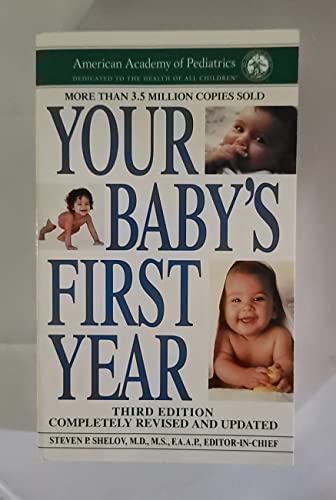
From the American Academy of Pediatrics—the nation’s most trusted name in child care—Your Baby’s First Year is the definitive all-in-one guide to caring for your infant. Revised and updated, including two new chapters on sleep and allergies,Your Baby’s First Year provides authoritative advice on all aspects of infant care, including
• expanded sections on raising twins, multiples, and children with autism
• new material on prebiotics, probiotics, and the Tdap vaccine
• a month-to-month guide to your baby’s first year with vital facts on growth, behavior, and development
• a complete health encyclopedia covering illnesses, injuries, and disabilities
• advice on breastfeeding, bottle-feeding, and introducing solids
• guidelines for choosing a child care provider
• safety checks for home and car, including a car safety seat shopping guide
• And much more
Comprehensive, reassuring, and up-to-date, Your Baby’s First Year is an indispensable guide for all parents who want to provide the very best care for their baby.
Die Inhaltsangabe kann sich auf eine andere Ausgabe dieses Titels beziehen.
Über die Autorin bzw. den Autor
Steven P. Shelov, M.D., M.S., F.A.A.P., pioneered and developed several of the parenting publications for the American Academy of Pediatrics, includingCaring for Your Baby and Young Child, The First Year of Life, and A Guide to Your Child’s Symptoms. In 2002, he was presented with the Lifetime Achievement in Education Award by the AAP, its highest award for pediatric education. In 2009, Dr. Shelov received the Clifford G. Grulee Award, recognizing his outstanding service to the AAP.
The American Academy of Pediatrics is an organization of 60,000 primary care pediatricians, pediatric medical subspecialists, and pediatric specialists dedicated to the health, safety, and well-being of infants, children, adolescents, and young adults.
Auszug. © Genehmigter Nachdruck. Alle Rechte vorbehalten.
Chapter One
Preparing for a New Baby
Pregnancy is a time of anticipation, excitement, preparation, and, for many new parents, uncertainty. You dream of a baby who will be strong, healthy, and bright--and you make plans to provide her with everything she needs to grow and thrive. You probablyalso have fears and questions, especially if this is your first child, or if there have been problems with this or a previous pregnancy. What if something goes wrong during the course of your pregnancy, or what if labor and delivery are difficult? What if beinga parent isn't everything you've always dreamed it would be? These are perfectly normal feelings and fears to have. Fortunately, most of these worries are needless. The nine months of pregnancy will give you time to have your questions answered, calm your fears,and prepare yourself for the realities of parenthood.
Some of your initial concerns may have been raised and addressed if you had difficulty becoming pregnant, particularly if you sought treatment for an infertility problem. But now that you're pregnant, preparations for your new baby can begin. The bestway to help your baby develop is to take good care of yourself, since medical attention and good nutrition will directly benefit your baby's health. Getting plenty of rest and exercising moderately will help you feel better and ease the physical stresses ofpregnancy. Talk to your physician about prenatal vitamins, and avoid smoking, alcohol, and eating fish containing high levels of mercury.
As pregnancy progresses, you're confronted with a long list of related decisions, from planning for the delivery to decorating the nursery. You probably have made many of these decisions already. Perhaps you've postponed some others because your baby doesn'tyet seem "real" to you. However, the more actively you prepare for your baby's arrival, the more real that child will seem, and the faster your pregnancy will appear to pass.
Eventually it may seem as if your entire life revolves around this baby-to-be. This increasing preoccupation is perfectly normal and healthy and actually may help prepare you emotionally for the challenge of parenthood. After all, you'll be making decisionsabout your child for the next two decades--at least! Now is a perfect time to start.
Here are some guidelines to help you with the most important of these preparations.
Giving Your Baby a Healthy Start
Virtually everything you consume or inhale while pregnant will be passed through to the fetus. This process begins as soon as you conceive. In fact, the embryo is most vulnerable during the first two months, when the major body parts (arms, legs, hands,feet, liver, heart, genitalia, eyes, and brain) are just starting to form. Chemical substances such as those in cigarettes, alcohol, illegal drugs, and certain medications can interfere with the developmental process and with later development, and some caneven cause congenital abnormalities.
Take smoking, for instance. If you smoke cigarettes during pregnancy, your baby's birth weight may be significantly decreased. Even inhaling smoke from the cigarettes of others (passive smoking) can affect your baby. Stay away from smoking areas and asksmokers not to light up around you. If you smoked before you got pregnant and still do, this is the time to stop--not just until you give birth, but forever. Children who grow up in a home where a parent smokes have more ear infections and more respiratoryproblems during infancy and early childhood. They also have been shown to be more likely to smoke when they grow up.
There's just as much concern about alcohol consumption. Alcohol intake during pregnancy increases the risk for a condition called fetal alcohol syndrome (FAS), which is responsible for birth defects and below-average intelligence. A baby with fetal alcoholsyndrome may have heart defects, malformed limbs (e.g., club foot), a curved spine, a small head, abnormal facial characteristics, small body size, and low birth weight. Fetal alcohol syndrome is also the leading cause of mental retardation in newborns. Alcoholconsumption during pregnancy increases the likelihood of a miscarriage or preterm delivery, as well.
There is evidence that the more alcohol you drink during pregnancy, the greater the risk to the fetus. It is safest not to drink any alcoholic beverages during pregnancy.
You also should avoid all medications and supplements except those your physician has specifically recommended for use during pregnancy. _This includes not only prescription drugs that you may have already been taking, but also nonprescription or over-the-counterproducts such as aspirin, cold medications, and antihistamines. Even vitamins can be dangerous if taken in high doses. (For example, excessive amounts of vitamin A have been known to cause congenital [existing from birth] abnormalities.) Consult with your physicianbefore taking drugs or supplements of any kind during pregnancy, even those labeled "natural."
Fish and shellfish contain high-quality protein and other essential nutrients, are low in saturated fat, and contain fatty acids called omega-3's. They can be an essential part of a balanced diet for pregnant women.
At the same time, you should be aware of the possible health risks from eating fish while you're pregnant. You should avoid raw fish during pregnancy because it may contain parasites such as flukes or worms. Cooking and freezing are the most effectiveways to kill the parasite larvae found in fish. For safety reasons, the U.S. Food and Drug Administration (FDA) recommends cooking fish at 140 degrees Fahrenheit. The fish should appear opaque and flaky when done. Certain types of cooked sushi such as eel andCalifornia rolls are safe to eat when pregnant. The most worrisome contaminant in both freshwater and ocean fish is mercury (or more specifically, a form of mercury called methyl mercury). Mercury in a pregnant woman's diet has been shown to be damaging to the development of the brain and nervous systemof the fetus. The FDA advises pregnant women, women who may become pregnant, nursing mothers, and young children to avoid eating shark, swordfish, king mackerel, and tilefish due to high levels of mercury in these fish. According to the FDA, pregnant womencan safely eat an average of 12 ounces (two average meals) of other types of cooked fish each week. Five of the most commonly eaten fish that are low in mercury are shrimp, canned light tuna, salmon, pollock, and catfish: Albacore tuna tends to be high in mercury,so canned chunk light tuna is a better choice. If local health agencies have not issued any advisories about the safety of fish caught in your area, you can eat up to 6 ounces (one average meal) per week of fish you catch from local waters, but don't consumeany other fish during that week.
While no adverse effects from minimal caffeine intake (one cup of caffeinated coffee per day) have yet been proven, you may want to limit or avoid caffeine when you are pregnant. Remember, caffeine is also found in many soft drinks and foods such as chocolate.
Another cause of congenital abnormalities is illness during pregnancy. You should take precautions against these dangerous diseases:
German measles (rubella) can cause mental retardation, heart abnormalities, cataracts, and deafness. Fortunately, this illness now can be prevented by immunization, although you must not get immunized against rubella during pregnancy. If you're not surewhether you're immune, ask your obstetrician to order a blood test for you. In the unlikely event that the test shows...
„Über diesen Titel“ kann sich auf eine andere Ausgabe dieses Titels beziehen.
Suchergebnisse für Your Baby's First Year

Beispielbild für diese ISBN
Your Babys First Year Third Ed
Anbieter: World of Books (was SecondSale), Montgomery, IL, USA
Verkäuferbewertung 5 von 5 Sternen

Zustand: Good. Item in good condition. Textbooks may not include supplemental items i.e. CDs, access codes etc. Artikel-Nr. 00030778113
Gebraucht kaufen
EUR 3,99
Versand gratis
Versand innerhalb von USA
Versand innerhalb von USA
Anzahl: 3 verfügbar
Beispielbild für diese ISBN
Your Baby's First Year: Third Edition
Verlag:
Bantam (edition Revised, Updated), 2010
ISBN 10: 0553593005
ISBN 13: 9780553593006
Gebraucht
Mass Market Paperback
Anbieter: BooksRun, Philadelphia, PA, USA
Verkäuferbewertung 5 von 5 Sternen
Mass Market Paperback. Zustand: Very Good. Revised, Updated. It's a well-cared-for item that has seen limited use. The item may show minor signs of wear. All the text is legible, with all pages included. It may have slight markings and/or highlighting. Artikel-Nr. 0553593005-11-1
Gebraucht kaufen
EUR 5,18
Versand gratis
Versand innerhalb von USA
Versand innerhalb von USA
Anzahl: 1 verfügbar
Beispielbild für diese ISBN
Your Baby's First Year
Anbieter: ThriftBooks-Atlanta, AUSTELL, GA, USA
Verkäuferbewertung 5 von 5 Sternen
Mass Market Paperback. Zustand: As New. No Jacket. Pages are clean and are not marred by notes or folds of any kind. ~ ThriftBooks: Read More, Spend Less. Artikel-Nr. G0553593005I2N00
Gebraucht kaufen
EUR 5,92
Versand gratis
Versand innerhalb von USA
Versand innerhalb von USA
Anzahl: 1 verfügbar
Beispielbild für diese ISBN
Your Baby's First Year
Anbieter: ThriftBooks-Dallas, Dallas, TX, USA
Verkäuferbewertung 5 von 5 Sternen
Mass Market Paperback. Zustand: Good. No Jacket. Pages can have notes/highlighting. Spine may show signs of wear. ~ ThriftBooks: Read More, Spend Less. Artikel-Nr. G0553593005I3N00
Gebraucht kaufen
EUR 5,92
Versand gratis
Versand innerhalb von USA
Versand innerhalb von USA
Anzahl: 1 verfügbar
Beispielbild für diese ISBN
Your Baby's First Year: Third Edition
Anbieter: Wonder Book, Frederick, MD, USA
Verkäuferbewertung 5 von 5 Sternen
Zustand: Very Good. Very Good condition. 3rd edition. A copy that may have a few cosmetic defects. May also contain light spine creasing or a few markings such as an owner's name, short gifter's inscription or light stamp. Bundled media such as CDs, DVDs, floppy disks or access codes may not be included. Artikel-Nr. I08K-01770
Gebraucht kaufen
EUR 6,33
Versand gratis
Versand innerhalb von USA
Versand innerhalb von USA
Anzahl: 1 verfügbar
Beispielbild für diese ISBN
Your Baby's First Year : Third Edition
Verlag:
Random House Publishing Group, 2010
ISBN 10: 0553593005
ISBN 13: 9780553593006
Gebraucht
Softcover
Anbieter: Better World Books, Mishawaka, IN, USA
Verkäuferbewertung 5 von 5 Sternen
Zustand: Good. 3rd Edition. Pages intact with minimal writing/highlighting. The binding may be loose and creased. Dust jackets/supplements are not included. Stock photo provided. Product includes identifying sticker. Better World Books: Buy Books. Do Good. Artikel-Nr. 2027395-75
Gebraucht kaufen
EUR 6,47
Versand gratis
Versand innerhalb von USA
Versand innerhalb von USA
Anzahl: 2 verfügbar
Beispielbild für diese ISBN
Your Baby's First Year: Third Edition
Anbieter: Robinson Street Books, IOBA, Binghamton, NY, USA
Verkäuferbewertung 4 von 5 Sternen

Trade Paperbac. Zustand: Used: Very good. Prompt Shipment, shipped in Boxes, Tracking PROVIDEDPopular Medicine & Health; Very good trade paperback; tips/edges bumped; slight crease; creased spine and back cover; clean pages; prompt shipping with tracking. Artikel-Nr. Ware895NP160
Gebraucht kaufen
EUR 12,23
EUR 8,35 Versand
Versand innerhalb von USA
Versand innerhalb von USA
Anzahl: 1 verfügbar
Beispielbild für diese ISBN
Your Baby's First Year
Anbieter: Revaluation Books, Exeter, Vereinigtes Königreich
Verkäuferbewertung 5 von 5 Sternen
Mass Market Paperback. Zustand: Brand New. 3rd revised updated edition. 774 pages. 7.00x4.25x1.25 inches. In Stock. Artikel-Nr. 0553593005
Neu kaufen
EUR 18,47
EUR 11,61 Versand
Versand von Vereinigtes Königreich nach USA
Versand von Vereinigtes Königreich nach USA
Anzahl: 1 verfügbar