
Verwandte Artikel zu Intelligent Systems: Architecture, Design, and Control...
Intelligent Systems: Architecture, Design, and Control (Wiley Series on Intelligent Systems) - Hardcover
Inhaltsangabe
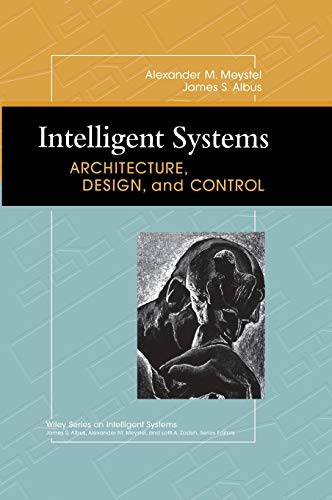
This comprehensive treatment of the field of intelligent systems is written by two of the foremost authorities in the field. The authors clearly examine the theoretical and practical aspects of these systems. The book focuses on the NIST-RCS (Real-time Control System) model that has been used recently in the Mars Rover.
Die Inhaltsangabe kann sich auf eine andere Ausgabe dieses Titels beziehen.
Über die Autorin bzw. den Autor
ALEXANDER M. MEYSTEL, PhD, is Professor of Electrical and Computer Engineering at Drexel University, Philadelphia, Pennsylvania.
JAMES S. ALBUS, PhD, is Senior NIST Fellow in the Intelligent Systems Division at the National Institute of Standards and Technology.
Von der hinteren Coverseite
A cutting-edge, multidisciplinary framework for intelligent systems
While intelligence is a difficult concept to comprehend, research into its mechanisms and functions is rapidly exploding in both biological and artificial systems. This book introduces an original model of intelligent systems, integrating knowledge from diverse sources and developing a general theory that can be used for the analysis of all kinds of highly complex systems, from whole economies to integrated manufacturing.
Intelligence as a computational phenomenon dwells upon grouping, focusing attention, and combinatorial search as its fundamental operators. In this groundbreaking work, Alex Meystel and James Albus, two of the foremost authorities in the field, draw on two decades of testing the theory in robots and other smart machines. (Dr. Meystel developed an autonomous Dune-Buggy in 1983-1987; Dr. Albus's work forms the basis for the control system used in the Army Demo III Experimental Unmanned Ground Vehicle program, 1997-present.) Special coverage of the NIST-RCS (Real-time Control System) model is also featured in this liberally illustrated and clearly written book.
Focusing on intelligence as a computational phenomenon with a multiresolutional architecture, Intelligent Systems: Architecture, Design, and Control promises to dramatically influence future research and development in intelligence worldwide. It is a one-of-a-kind resource for scientists, engineers, and anyone wishing to explore the contemporary theory and tools of computational intelligence.
Aus dem Klappentext
A cutting-edge, multidisciplinary framework for intelligent systems
While intelligence is a difficult concept to comprehend, research into its mechanisms and functions is rapidly exploding in both biological and artificial systems. This book introduces an original model of intelligent systems, integrating knowledge from diverse sources and developing a general theory that can be used for the analysis of all kinds of highly complex systems, from whole economies to integrated manufacturing.
Intelligence as a computational phenomenon dwells upon grouping, focusing attention, and combinatorial search as its fundamental operators. In this groundbreaking work, Alex Meystel and James Albus, two of the foremost authorities in the field, draw on two decades of testing the theory in robots and other smart machines. (Dr. Meystel developed an autonomous Dune-Buggy in 1983-1987; Dr. Albus's work forms the basis for the control system used in the Army Demo III Experimental Unmanned Ground Vehicle program, 1997-present.) Special coverage of the NIST-RCS (Real-time Control System) model is also featured in this liberally illustrated and clearly written book.
Focusing on intelligence as a computational phenomenon with a multiresolutional architecture, Intelligent Systems: Architecture, Design, and Control promises to dramatically influence future research and development in intelligence worldwide. It is a one-of-a-kind resource for scientists, engineers, and anyone wishing to explore the contemporary theory and tools of computational intelligence.
Auszug. © Genehmigter Nachdruck. Alle Rechte vorbehalten.
Intelligent Systems
Architecture, Design, and ControlBy Alexander M. Meystel James S. AlbusJohn Wiley & Sons
Copyright © 2001 Alexander M. MeystelAll right reserved.
ISBN: 978-0-471-19374-6
Contents
PREFACE..............................................................................................................................xvii1 INTELLIGENCE IN NATURAL AND CONSTRUCTED SYSTEMS11.1 Introduction.....................................................................................................................11.2 Brief Overview of the Evolving Concepts of Mind and Intelligence.................................................................41.3 Intelligent Systems: Can We Distinguish Them from Nonintelligent Systems?........................................................121.4 Intelligence: Product and Tool of Behavior and Communication.....................................................................161.5 Evolution of Automatisms.........................................................................................................201.6 From Agent to Multiscale Communities of Agents...................................................................................241.6.1 The Concept of "Agents" and Its Place in the State of the Art..................................................................241.7 Cognitive Agents and Architectures...............................................................................................29References...........................................................................................................................32Problems.............................................................................................................................362 THEORETICAL FUNDAMENTALS..........................................................................................................382.1 Mathematical Framework of the Architectures for Intelligent Systems..............................................................382.2 Formal Model of Intelligent Systems and Processes................................................................................422.3 Necessary Terminology and Assumptions............................................................................................602.4 Construction and Properties of Objects...........................................................................................672.5 Extracting Entities from Reality.................................................................................................702.6 Grouping + Filtering + Search: The Elementary Unit of Self-Organization..........................................................802.7 Relative Intelligence and Its Evolution..........................................................................................832.8 On the Resemblances among Processes of Structuring in Nature and Representation..................................................872.9 Semiotic Framework of the Architectures for Intelligent Systems..................................................................89References...........................................................................................................................96Problems.............................................................................................................................973 KNOWLEDGE REPRESENTATION..........................................................................................................1003.1 Problem of Representing the Natural World........................................................................................1003.2 What Is Knowledge?...............................................................................................................1083.3 Knowledge Representation in the Brain: Acquiring Automatisms.....................................................................1153.4 Sensory and Symbolic Representations in the Brain................................................................................1173.5 Reference Frame, Imagination, and Insight........................................................................................1203.6 Principles of Knowledge Representation, Entities, and Relational Structures......................................................1213.7 Multiresolutional Character of Knowledge and Its Complexity......................................................................1473.8 Virtual Phenomena of Knowledge Representation....................................................................................151References...........................................................................................................................153Problems.............................................................................................................................1564 REFERENCE ARCHITECTURE............................................................................................................1584.1 Components of a Reference Architecture...........................................................................................1584.2 Evolution of the Reference Architecture for Intelligent Systems..................................................................1604.3 Hierarchy with Horizontal "In Level" Connections.................................................................................1634.4 Levels of Resolution.............................................................................................................1654.5 Neural Components of the Architecture............................................................................................1694.6 Behavior-Generating Hierarchy....................................................................................................1714.7 Analysis of Multiresolutional Architectures......................................................................................1724.8 Agent-Based Reference Architectures..............................................................................................180References...........................................................................................................................184Problems.............................................................................................................................1865 MOTIVATIONS, GOALS, AND VALUE JUDGMENT............................................................................................1885.1 Internal Needs versus External Goals.............................................................................................1885.2 Value Judgments..................................................................................................................1995.3 Achieving the Goal: Optimization via the Calculus of Variations..................................................................207References...........................................................................................................................218Problems.............................................................................................................................2196 SENSORY PROCESSING................................................................................................................2206.1 In-level and Inter-level Processes...............................................................................................2206.2 Sensory Processing as a Module of the Level......................................................................................2286.3 Hierarchy of Sensory...
„Über diesen Titel“ kann sich auf eine andere Ausgabe dieses Titels beziehen.
Suchergebnisse für Intelligent Systems: Architecture, Design, and Control...

Beispielbild für diese ISBN
Intelligent Systems: Architecture, Design, and Control
Anbieter: World of Books (was SecondSale), Montgomery, IL, USA
Verkäuferbewertung 5 von 5 Sternen

Hardback. Zustand: Good. This comprehensive treatment of the field of intelligent systems is written by two of the foremost authorities in the field. The authors clearly examine the theoretical and practical aspects of these systems. The book focuses on the NIST-RCS (Real-time Control System) model that has been used recently in the Mars Rover. Artikel-Nr. 00083975362
Gebraucht kaufen
EUR 13,73
Versand gratis
Versand innerhalb von USA
Versand innerhalb von USA
Anzahl: 4 verfügbar
Beispielbild für diese ISBN
Intelligent Systems: Architecture, Design, and Control
Anbieter: World of Books (was SecondSale), Montgomery, IL, USA
Verkäuferbewertung 5 von 5 Sternen
Hardback. Zustand: Very Good. This comprehensive treatment of the field of intelligent systems is written by two of the foremost authorities in the field. The authors clearly examine the theoretical and practical aspects of these systems. The book focuses on the NIST-RCS (Real-time Control System) model that has been used recently in the Mars Rover. Artikel-Nr. 00081755051
Gebraucht kaufen
EUR 13,73
Versand gratis
Versand innerhalb von USA
Versand innerhalb von USA
Anzahl: 3 verfügbar
Beispielbild für diese ISBN
Intelligent Systems : Architecture, Design, and Control
Verlag:
Wiley & Sons, Incorporated, John, 2001
ISBN 10: 0471193747
ISBN 13: 9780471193746
Gebraucht
Hardcover
Erstausgabe
Anbieter: Better World Books, Mishawaka, IN, USA
Verkäuferbewertung 5 von 5 Sternen
Zustand: Very Good. 1st Edition. Former library copy. Pages intact with possible writing/highlighting. Binding strong with minor wear. Dust jackets/supplements may not be included. Includes library markings. Stock photo provided. Product includes identifying sticker. Better World Books: Buy Books. Do Good. Artikel-Nr. GRP28224418
Gebraucht kaufen
EUR 13,74
Versand gratis
Versand innerhalb von USA
Versand innerhalb von USA
Anzahl: 1 verfügbar
Beispielbild für diese ISBN
Intelligent Systems: Architecture, Design, and Control
Anbieter: Anybook.com, Lincoln, Vereinigtes Königreich
Verkäuferbewertung 5 von 5 Sternen
Zustand: Good. This is an ex-library book and may have the usual library/used-book markings inside.This book has hardback covers. In good all round condition. No dust jacket. Please note the Image in this listing is a stock photo and may not match the covers of the actual item,1550grams, ISBN:9780471193746. Artikel-Nr. 8840897
Gebraucht kaufen
EUR 13,58
EUR 18,33 Versand
Versand von Vereinigtes Königreich nach USA
Versand von Vereinigtes Königreich nach USA
Anzahl: 1 verfügbar
Beispielbild für diese ISBN
Intelligent Systems
Anbieter: PBShop.store UK, Fairford, GLOS, Vereinigtes Königreich
Verkäuferbewertung 5 von 5 Sternen
HRD. Zustand: New. New Book. Shipped from UK. Established seller since 2000. Artikel-Nr. FW-9780471193746
Neu kaufen
EUR 147,55
EUR 9,87 Versand
Versand von Vereinigtes Königreich nach USA
Versand von Vereinigtes Königreich nach USA
Anzahl: 15 verfügbar
Beispielbild für diese ISBN
Intelligent Systems: Architecture, Design, and Control (Wiley Series on Intelligent Systems)
Anbieter: Ria Christie Collections, Uxbridge, Vereinigtes Königreich
Verkäuferbewertung 5 von 5 Sternen
Zustand: New. In English. Artikel-Nr. ria9780471193746_new
Neu kaufen
EUR 171,67
EUR 17,37 Versand
Versand von Vereinigtes Königreich nach USA
Versand von Vereinigtes Königreich nach USA
Anzahl: Mehr als 20 verfügbar
Beispielbild für diese ISBN
Intelligent Systems
Anbieter: Majestic Books, Hounslow, Vereinigtes Königreich
Verkäuferbewertung 4 von 5 Sternen

Zustand: New. pp. xxi + 696 Illus. Artikel-Nr. 7352880
Neu kaufen
EUR 193,23
EUR 7,56 Versand
Versand von Vereinigtes Königreich nach USA
Versand von Vereinigtes Königreich nach USA
Anzahl: 3 verfügbar
Foto des Verkäufers
Intelligent Systems
Anbieter: moluna, Greven, Deutschland
Verkäuferbewertung 5 von 5 Sternen
Gebunden. Zustand: New. An original model of intelligent systems ins introduced, integrating knowledge from diverse sources and developing a general theory that can be used for analysis of all kinds of highly complex systems. (SciTech Book News, Vol. 25, No. 4, December 2001) . Artikel-Nr. 446915164
Neu kaufen
EUR 171,03
EUR 48,99 Versand
Versand von Deutschland nach USA
Versand von Deutschland nach USA
Anzahl: Mehr als 20 verfügbar
Beispielbild für diese ISBN
Intelligent Systems: Architecture, Design, and Control
Anbieter: Revaluation Books, Exeter, Vereinigtes Königreich
Verkäuferbewertung 5 von 5 Sternen
Hardcover. Zustand: Brand New. 1st edition. 696 pages. 10.00x7.00x1.75 inches. In Stock. Artikel-Nr. x-0471193747
Neu kaufen
EUR 235,98
EUR 17,44 Versand
Versand von Vereinigtes Königreich nach USA
Versand von Vereinigtes Königreich nach USA
Anzahl: 2 verfügbar
Beispielbild für diese ISBN
Intelligent Systems
Anbieter: Kennys Bookstore, Olney, MD, USA
Verkäuferbewertung 5 von 5 Sternen
Zustand: New. A treatment of the field of intelligent systems, this book examines the theoretical and practical aspects of these systems. It focuses on the NIST-RCS (Real-time Control System) model, that has been used in the Mars Rover. Series: Wiley Series on Intelligent Systems. Num Pages: 716 pages, Illustrations. BIC Classification: UYQ. Category: (P) Professional & Vocational; (UP) Postgraduate, Research & Scholarly. Dimension: 262 x 190 x 50. Weight in Grams: 1464. . 2001. 1st Edition. Hardcover. . . . . Books ship from the US and Ireland. Artikel-Nr. V9780471193746
Neu kaufen
EUR 249,73
EUR 9,22 Versand
Versand innerhalb von USA
Versand innerhalb von USA
Anzahl: Mehr als 20 verfügbar