
Verwandte Artikel zu El Coronel No Tiene Quien Le Escriba / No One Writes...
Inhaltsangabe
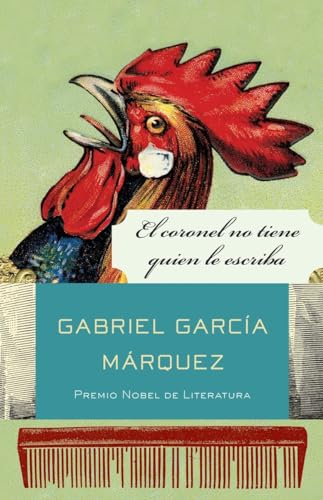
El coronel no tiene quien le escriba fue escrita por Gabriel García Márquez durante su estancia en París, adonde había llegado como corresponsal de prensa y con la secreta intención de estudiar cine, a mediados de los años cincuenta.
El cierre del periódico para el que trabajaba le sumió en la pobreza, mientras redactaba en tres versiones distintas esta excepcional novela, que fue rechazada por varios editores antes de su publicación. Tras el barroquismo faulkneriano de La hojarasca, esta segunda novela supone un paso hacia la ascesis, hacia la economía expresiva, y el estilo del escritor se hace más puro y transparente. Se trata también de una historia de injusticia y violencia: un viejo coronel retirado va al puerto todos los viernes a esperar la llegada de la carta oficial que responda a la justa reclamación de sus derechos por los servicios prestados a la patria. Pero la patria permanece muda. ENGLISH DESCRIPTION The novel, written between 1956 and 1957 while living in Paris, and first published in 1961, is the story of an impoverished, retired colonel, a veteran of the Thousand Days' War, who still hopes to receive the pension he was promised some fifteen years earlier. The colonel lives with his asthmatic wife in a small village under martial law. The action opens with the colonel preparing to go to the funeral of a town musician whose death is notable because he was the first to die from natural causes in many years. The main characters of the novel are not named, adding to the feeling of insignificance of an individual living in Colombia. The colonel and his wife, who have lost their son to political repression, are struggling with poverty and financial instability. The corruption of the local and national officials is evident and this is a topic which García Márquez explores throughout the novel, by using references to censorship and the impact of government on society. The colonel desperately tries to sell their inheritance from their only son who is now dead and eventually the only reminder of his existence is a rooster that the colonel trains to take part in a cockfight.Die Inhaltsangabe kann sich auf eine andere Ausgabe dieses Titels beziehen.
Über die Autorin bzw. den Autor
Gabriel García Márquez, nacido en Colombia, fue una de las figuras más importantes e influyentes de la literatura universal. Ganador del Premio Nobel de Literatura, fue además cuentista, ensayista, crítico cinematográfico, autor de guiones y, sobre todo, intelectual comprometido con los grandes problemas de nuestro tiempo, en primer término con los que afectaban a su amada Colombia y a Hispanoamérica en general. Máxima figura del realismo mágico, fue en definitiva el hacedor de uno de los mundos narrativos más densos de significados que ha dado la lengua española en el siglo xx. Entre sus obras más importantes se encuentran las novelas Cien años de soledad, El coronel no tiene quien le escriba, Crónica de una muerte anunciada, La mala hora, El general en su laberinto, El amor en los tiempos del cólera, Memoria de mis putas tristes, el libro de relatos Doce cuentos peregrinos, la primera parte de su autobiografía, Vivir para contarla, y sus discursos reunidos, Yo no vengo a decir un discurso. Falleció en 2014.
„Über diesen Titel“ kann sich auf eine andere Ausgabe dieses Titels beziehen.
Suchergebnisse für El Coronel No Tiene Quien Le Escriba / No One Writes...

Beispielbild für diese ISBN
El coronel no tiene quien le escriba / No One Writes to the Colonel and Other Stories (Spanish Edition)
Verlag:
Vintage Espanol (edition 1), 2010
ISBN 10: 0307475441
ISBN 13: 9780307475442
Gebraucht
Paperback
Anbieter: BooksRun, Philadelphia, PA, USA
Verkäuferbewertung 5 von 5 Sternen

Paperback. Zustand: Fair. 1. The item might be beaten up but readable. May contain markings or highlighting, as well as stains, bent corners, or any other major defect, but the text is not obscured in any way. Artikel-Nr. 0307475441-7-1
Gebraucht kaufen
EUR 6,20
Versand gratis
Versand innerhalb von USA
Versand innerhalb von USA
Anzahl: 1 verfügbar
Beispielbild für diese ISBN
El Coronel No Tiene Quien Le Escriba
Anbieter: World of Books (was SecondSale), Montgomery, IL, USA
Verkäuferbewertung 5 von 5 Sternen
Paperback. Zustand: Good. Gabriel García Márquez has been described as the greatest writer in Spanish since Cervantes, and El coronel no tiene quien le escriba is considered to be one of his best works. This reflective and atmospheric novel is set in a small Colombian town where the frustrated and stubborn Colonel, a veteran of the 'War of a Thousand Days', is still, after thirty years, waiting for the letter authorising payment of his war pension. The old soldier and his wife mourn the brutal killing of their only son, and the story of their struggle against poverty and sickness culminates in the Colonel's defiant refusal to part with his cherished fighting cock, however serious the consequences. The moving narrative pays tribute to the resilience of human nature and man's will to survive in the face of heavy odds. The novel also throws light on the turbulent religious and political troubles in Latin America. Now revised to include an updated chronology and bibliography, Giovanni Pontiero's acclaimed critical edition provides English-speaking students with an introduction to, and notes on the text, and a selected vocabulary. Artikel-Nr. 00110553900
Gebraucht kaufen
EUR 15,46
Versand gratis
Versand innerhalb von USA
Versand innerhalb von USA
Anzahl: 1 verfügbar
Beispielbild für diese ISBN
CORONEL NO TIENE QUIEN LE ESCRIBA/ NO (Vintage Espanol)
Anbieter: Majestic Books, Hounslow, Vereinigtes Königreich
Verkäuferbewertung 4 von 5 Sternen

Zustand: New. pp. 112. Artikel-Nr. 8224094
Neu kaufen
EUR 16,03
EUR 7,56 Versand
Versand von Vereinigtes Königreich nach USA
Versand von Vereinigtes Königreich nach USA
Anzahl: 3 verfügbar
Beispielbild für diese ISBN
El coronel no tiene quien le escriba / No One Writes to the Colonel
Anbieter: Revaluation Books, Exeter, Vereinigtes Königreich
Verkäuferbewertung 5 von 5 Sternen
Paperback. Zustand: Brand New. 1st edition. 112 pages. Spanish language. 8.25x5.50x0.50 inches. In Stock. Artikel-Nr. __0307475441
Neu kaufen
EUR 13,63
EUR 11,63 Versand
Versand von Vereinigtes Königreich nach USA
Versand von Vereinigtes Königreich nach USA
Anzahl: 3 verfügbar
Beispielbild für diese ISBN
El coronel no tiene quien le escriba / No One Writes to the Colonel
Anbieter: Revaluation Books, Exeter, Vereinigtes Königreich
Verkäuferbewertung 5 von 5 Sternen
Paperback. Zustand: Brand New. 1st edition. 112 pages. Spanish language. 8.25x5.50x0.50 inches. In Stock. Artikel-Nr. xr0307475441
Neu kaufen
EUR 16,14
EUR 11,63 Versand
Versand von Vereinigtes Königreich nach USA
Versand von Vereinigtes Königreich nach USA
Anzahl: 2 verfügbar
Beispielbild für diese ISBN
El coronel no tiene quien le escriba / No One Writes to the Colonel and Other St ories
Anbieter: Kennys Bookstore, Olney, MD, USA
Verkäuferbewertung 5 von 5 Sternen
Zustand: New. 2010. Paperback. . . . . . Books ship from the US and Ireland. Artikel-Nr. V9780307475442
Neu kaufen
EUR 20,74
EUR 9,23 Versand
Versand innerhalb von USA
Versand innerhalb von USA
Anzahl: 1 verfügbar
Foto des Verkäufers
El Coronel No Tiene Quien Le Escriba / No One Writes to the Colonel and Other Stories
Verlag:
Prh Grupo Editorial Apr 2010, 2010
ISBN 10: 0307475441
ISBN 13: 9780307475442
Neu
Taschenbuch
Anbieter: AHA-BUCH GmbH, Einbeck, Deutschland
Verkäuferbewertung 5 von 5 Sternen
Taschenbuch. Zustand: Neu. Neuware - El coronel no tiene quien le escriba fue escrita por Gabriel García Márquez durante su estancia en París, adonde había llegado como corresponsal de prensa y con la secreta intención de estudiar cine, a mediados de los años cincuenta. El cierre del periódico para el que trabajaba le sumió en la pobreza, mientras redactaba en tres versiones distintas esta excepcional novela, que fue rechazada por varios editores antes de su publicación. Tras el barroquismo faulkneriano de La hojarasca, esta segunda novela supone un paso hacia la ascesis, hacia la economía expresiva, y el estilo del escritor se hace más puro y transparente. Se trata también de una historia de injusticia y violencia: un viejo coronel retirado va al puerto todos los viernes a esperar la llegada de la carta oficial que responda a la justa reclamación de sus derechos por los servicios prestados a la patria. Pero la patria permanece muda. ENGLISH DESCRIPTION The novel, written between 1956 and 1957 while living in Paris, and first published in 1961, is the story of an impoverished, retired colonel, a veteran of the Thousand Days' War, who still hopes to receive the pension he was promised some fifteen years earlier. The colonel lives with his asthmatic wife in a small village under martial law. The action opens with the colonel preparing to go to the funeral of a town musician whose death is notable because he was the first to die from natural causes in many years. The main characters of the novel are not named, adding to the feeling of insignificance of an individual living in Colombia. The colonel and his wife, who have lost their son to political repression, are struggling with poverty and financial instability. The corruption of the local and national officials is evident and this is a topic which García Márquez explores throughout the novel, by using references to censorship and the impact of government on society. The colonel desperately tries to sell their inheritance from their only son who is now dead and eventually the only reminder of his existence is a rooster that the colonel trains to take part in a cockfight. Artikel-Nr. 9780307475442
Neu kaufen
EUR 20,04
EUR 35,00 Versand
Versand von Deutschland nach USA
Versand von Deutschland nach USA
Anzahl: 2 verfügbar
Foto des Verkäufers
El Coronel No Tiene Quien Le Escriba / No One Writes to the Colonel and Other St Ories
Verlag:
VINTAGE ESPANOL, 2010
ISBN 10: 0307475441
ISBN 13: 9780307475442
Neu
Kartoniert / Broschiert
Anbieter: moluna, Greven, Deutschland
Verkäuferbewertung 5 von 5 Sternen
Kartoniert / Broschiert. Zustand: New. Artikel-Nr. 897693547
Neu kaufen
EUR 16,15
EUR 48,99 Versand
Versand von Deutschland nach USA
Versand von Deutschland nach USA
Anzahl: Mehr als 20 verfügbar