
Verwandte Artikel zu Perfect Hormone Balance for Fertility: The Ultimate...
Inhaltsangabe
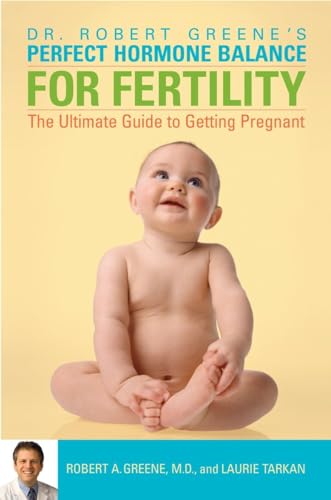
FOR THE ONE IN FIVE COUPLES WHO EXPERIENCE DIFFICULTY CONCEIVING
You have more than one hundred hormones circulating in your body–reproductive hormones, pregnancy hormones, sex hormones, metabolic hormones, and stress hormones–relaying messages from tissue to tissue, organ to organ, brain to body, and body to brain. An equilibrium, a perfect balance in both partners, often determines your ability to conceive and support a pregnancy. When your body is imbalanced, conception becomes very difficult. Luckily, hormonal imbalances can be corrected.
Drawing on the latest research in this field–which links underlying hormonal issues with infertility in men and women–Dr. Robert Greene, fertility specialist, ob/gyn, and reproductive endocrinologist, has created the Perfect Balance Fertility Program to help patients attain the optimal hormonal health that is necessary for conception. In Dr. Robert Greene’s Perfect Hormone Balance for Fertility, he shares his groundbreaking program so you can:
•Identify and correct the causes of the hormonal issues that affect fertility
•Use nutrition, exercise, and stress-reduction techniques to achieve a healthy equilibrium through a personalized plan
•Determine when it’s time for basic or advanced reproductive techniques, such as IVF, and learn how to be your own advocate so you can avoid costly and unnecessary tests and treatments
Comprehensive, friendly, and accessible, Dr. Robert Greene’s Perfect Hormone Balance for Fertility reveals all your best options for achieving the optimal hormonal levels that will positively impact your chances for a successful pregnancy.
Die Inhaltsangabe kann sich auf eine andere Ausgabe dieses Titels beziehen.
Über die Autorin bzw. den Autor
ROBERT A. GREENE, M.D., is the medical director of the Sher Institute for Reproductive Medicine in California, and he is one of the country’s leading hormone specialists and a practicing ob/gyn. A world-renowned brain researcher, he gives about 75 lectures a year to the worldwide medical community. His articles linking hormone depletion to brain health and quality of life have appeared in many major medical journals.
LAURIE TARKAN is an award-winning medical writer with more than twenty years of journalism and writing experience. She is the author of My Mother’s Breast: Daughters Face Their Mothers’ Cancer, writes about health issues for the New York Times, and has written for magazines, including Self, Child, Fit Pregnancy, Family Circle, and Health.
Von der hinteren Coverseite
In this breakthrough book, world-renowned hormone specialist Dr. Robert Greene explores the connection between two of the least understood--and yet most important--physiological factors: hormones and the brain. In "Perfect Balance, Dr. Greene presents a comprehensive program for reaching hormonal balance, including how to:
-craft a personalized hormone therapy program that's unique to your body and your symptoms
-avoid forgetfulness, moodiness, sexual dysfunction, and even the advance and progression of Alzheimer's disease
-understand the pros and cons of the latest cutting-edge hormone therapies
-establish your individual hormone profile, gauge your progress, and determine when and how to target lingering problems
-recognize "good" and "bad" estrogen--and how to balance the two types
-troubleshoot your symptoms, including migraines, hot flashes, sleeplessness, and depression
-implement the Perfect Balance Diet and Exercise Program, designed for optimal hormonal health
Dr. Greene explains that hormones play a role in every aspect of your health, from quality-of-life issues to the onset of certain diseases, and he shows how righting your hormonal balance can bring about sweeping improvements to your overall health. Sure to become a trusted resource, "Perfect Balance is the most groundbreaking book on women's health in decades.
Auszug. © Genehmigter Nachdruck. Alle Rechte vorbehalten.
Chapter One
Hormone Balance:
The Foundation of Fertility
I have no doubt that the rising incidence of hormone imbalance is behind the steady rise in infertility. Our diet, lifestyle, and work habits have all changed in ways that invite or even create these imbalances. Because of our busy schedules, we gravitate toward fast foods and prepackaged meals that are high in unhealthy carbohydrates and fats. Eating poorly can easily lead to hormonal chaos, reducing your chance of conception or increasing your risk of pregnancy complications. We’ve also become less active, and some of us, completely sedentary, and we accept stress and a lack of sleep as a part of life. Yet better food choices, regular exercise, adequate rest, and stress-reducing activities can improve your health enormously and enhance your ability to conceive.
We are also exposed to a growing number of chemicals each year through our food, air, water, cleaning products, gardening chemicals, and personal care products. Some people are also exposed to more chemicals at work. Fertility and hormone specialists have become increasingly concerned about these chemicals because many have the ability to disrupt your own hormone functions, which in turn can affect your fertility. These chemicals also may contribute to miscarriage or compromise the health of your baby. But in many cases you can restore hormone harmony through simple changes in your lifestyle, and, in so doing, you will improve your fertility, your health, and your well-being.
THE HORMONE DANCE
Your hormones are constantly shifting based on what is happening in your body on any given day. Each organ and each system has its own agenda, sending out hormonal signals to alert the others and elicit their cooperation. For instance, your digestive system calls upon your circulatory system for more blood flow after a meal to help distribute fuel and nutrients throughout your body. On the other hand, if you’re under stress, hormones will shift your blood flow away from your digestive system and direct it to your muscles to prepare you for dealing with the danger at hand. Your brain’s hypothalamus is at the helm, listening in on all the hormone cross talk and prioritizing messages, so that you’re not falling asleep when you sit down to eat, perspiring when your body temperature is low, or menstruating when a fertilized egg is trying to implant in your womb.
Your brain also initiates many bodily events, often in response to what you’re experiencing or what’s going on hormonally. If you’re frightened, your brain sends hormonal messages that override other biological functions like sleepiness or hunger. When you’re sexually aroused, your brain sends hormones that signal your body to prepare for intimate acts. If you’re determined to complete a task, your brain sends pick-me-up hormones to fend off fatigue. And if your body doesn’t have enough stored calories to support a pregnancy, your brain blocks signals to your ovaries—effectively preventing ovulation. The hormone-brain connection is the key to understanding why achieving hormonal balance is necessary to improve your chances of conception and having a healthy baby.
It is equally important for couples who have had a baby but are having difficulty conceiving again, a condition called secondary infertility. Many of these couples have developed a hormone imbalance since the delivery of their last child. The imbalance is what is keeping them from becoming pregnant again. Before jumping into treatment, these couples need to consider the importance of their hormones and how their diet, weight, lifestyle, or health may have changed in the intervening years.
Because there are so many hormones, and many that have similar jobs, I like to group them together based on their functions. Each of the four groups I have identified needs to be in a state of equilibrium. I like to think of these groups as the elements of a mobile, with the brain at the pinnacle monitoring your dynamic state of hormone balance.
When subtle imbalances occur within a group, they might not disrupt the other groups. For example, your hypothalamus might make minor adjustments to your levels of estrogen and progesterone, keeping them in relative balance and not adversely affecting your fertility. But if one hormone gets too high or too low, and the others can’t balance it out, then this discordance can affect the other hormone groups and disrupt your health completely—especially your fertility. Since conception and reproduction are not essential for your survival, I place these hormones in the most vulnerable position of the mobile to reflect their reliance on everything else being near perfect. Below are the four categories of hormones and what they do, how they interact, and how they affect your fertility. Please note that I will provide descriptions and details on all of these hormones later in the book.
1. Rest-and-digest hormones (key hormones include insulin, leptin, growth hormone, ghrelin, and melatonin). This group controls growth, digestion, and weight, as well as repair and rejuvenation. Because of their role in weight gain and loss, imbalances can lead to obesity, diabetes, and a host of related diseases. I will focus a great deal on this group in the program since your weight and the balance of these hormones have an enormous impact on your fertility, and because you have some control over them. There are clear and effective steps you can take to restore their balance, including making better food choices.
2. Tend-and-befriend hormones (key hormones include thyroid hormone, prolactin, and diuretic hormones like aldosterone). This group is in charge of tending to your body’s basic physiological needs, such as maintaining your temperature and hydration, and meeting your oxygen needs. Some of these hormones, like prolactin, also impact your emotional bonding with others. Imbalances, though, can make you more susceptible to infections, less able to turn off your stress response, less adaptable to temperature and altitude changes, and can put you at a higher risk of disorders like chronic fatigue and anemia. When tend-and-befriend hormones are out of sync, they shift your body’s resources away from reproduction, contributing to infertility.
3. Fight-and-flight hormones (key hormones are adrenaline, cortisol, endorphins, and corticotropin releasing hormone). These are the well-known stress hormones, released when you believe you’re in danger or your health is threatened. They help redirect necessary resources toward survival against an imminent threat or a perceived hazard that may not even exist. When stress hormones are chronically elevated, you may experience depression, anxiety, sleep disorders, or chronic pain, and you may have difficulty getting pregnant. To your stressed body, pregnancy is one more major challenge, or stressor, so to “protect” you, your brain halts all events and hormonal triggers geared toward conceiving.
4. Relate-and-mate hormones (key hormones are estrogen, testosterone, progesterone, follicle-stimulating hormone (FSH), and luteinizing hormone (LH). These sex and pregnancy hormones are the most important hormones for fertility and reproduction. They guide the production and release of fertile eggs and healthy sperm. They also play a role in cementing the bonds of your intimate relationships with your sexual partner as well as with your children— these are more potent bonding agents than the tend-and-befriend hormones. Imbalances in this group are the most obvious ones to consider when diagnosing infertility. They can interfere with the growth and release of a mature egg each month or cause a low sperm count in your partner, or even affect how successfully the fertilized egg implants in your...
„Über diesen Titel“ kann sich auf eine andere Ausgabe dieses Titels beziehen.
Suchergebnisse für Perfect Hormone Balance for Fertility: The Ultimate...

Beispielbild für diese ISBN
Perfect Hormone Balance for Fertility: The Ultimate Guide to Getting Pregnant
Anbieter: World of Books (was SecondSale), Montgomery, IL, USA
Verkäuferbewertung 5 von 5 Sternen

Paperback. Zustand: Good. FOR THE ONE IN FIVE COUPLES WHO EXPERIENCE DIFFICULTY CONCEIVING You have more than one hundred hormones circulating in your body-reproductive hormones, pregnancy hormones, sex hormones, metabolic hormones, and stress hormones-relaying messages from tissue to tissue, organ to organ, brain to body, and body to brain. An equilibrium, a perfect balance in both partners, often determines your ability to conceive and support a pregnancy. When your body is imbalanced, conception becomes very difficult. Luckily, hormonal imbalances can be corrected. Drawing on the latest research in this field-which links underlying hormonal issues with infertility in men and women-Dr. Robert Greene, fertility specialist, ob/gyn, and reproductive endocrinologist, has created the Perfect Balance Fertility Program to help patients attain the optimal hormonal health that is necessary for conception. In Dr. Robert Greene's Perfect Hormone Balance for Fertility, he shares his groundbreaking program so you can: .Identify and correct the causes of the hormonal issues that affect fertility .Use nutrition, exercise, and stress-reduction techniques to achieve a healthy equilibrium through a personalized plan .Determine when it's time for basic or advanced reproductive techniques, such as IVF, and learn how to be your own advocate so you can avoid costly and unnecessary tests and treatments Comprehensive, friendly, and accessible, Dr. Robert Greene's Perfect Hormone Balance for Fertility reveals all your best options for achieving the optimal hormonal levels that will positively impact your chances for a successful pregnancy. Artikel-Nr. 00100686413
Gebraucht kaufen
EUR 5,01
Versand gratis
Versand innerhalb von USA
Versand innerhalb von USA
Anzahl: 1 verfügbar
Beispielbild für diese ISBN
Perfect Hormone Balance for Fertility: The Ultimate Guide to Getting Pregnant
Anbieter: World of Books (was SecondSale), Montgomery, IL, USA
Verkäuferbewertung 5 von 5 Sternen
Paperback. Zustand: Very Good. FOR THE ONE IN FIVE COUPLES WHO EXPERIENCE DIFFICULTY CONCEIVING You have more than one hundred hormones circulating in your body-reproductive hormones, pregnancy hormones, sex hormones, metabolic hormones, and stress hormones-relaying messages from tissue to tissue, organ to organ, brain to body, and body to brain. An equilibrium, a perfect balance in both partners, often determines your ability to conceive and support a pregnancy. When your body is imbalanced, conception becomes very difficult. Luckily, hormonal imbalances can be corrected. Drawing on the latest research in this field-which links underlying hormonal issues with infertility in men and women-Dr. Robert Greene, fertility specialist, ob/gyn, and reproductive endocrinologist, has created the Perfect Balance Fertility Program to help patients attain the optimal hormonal health that is necessary for conception. In Dr. Robert Greene's Perfect Hormone Balance for Fertility, he shares his groundbreaking program so you can: .Identify and correct the causes of the hormonal issues that affect fertility .Use nutrition, exercise, and stress-reduction techniques to achieve a healthy equilibrium through a personalized plan .Determine when it's time for basic or advanced reproductive techniques, such as IVF, and learn how to be your own advocate so you can avoid costly and unnecessary tests and treatments Comprehensive, friendly, and accessible, Dr. Robert Greene's Perfect Hormone Balance for Fertility reveals all your best options for achieving the optimal hormonal levels that will positively impact your chances for a successful pregnancy. Artikel-Nr. 00106500866
Gebraucht kaufen
EUR 5,01
Versand gratis
Versand innerhalb von USA
Versand innerhalb von USA
Anzahl: 1 verfügbar
Beispielbild für diese ISBN
Perfect Hormone Balance for Fertility: The Ultimate Guide to Getting Pregnant
Verlag:
Harmony/Rodale/Convergent (edition First Edition), 2008
ISBN 10: 0307337405
ISBN 13: 9780307337405
Gebraucht
Paperback
Erstausgabe
Anbieter: BooksRun, Philadelphia, PA, USA
Verkäuferbewertung 5 von 5 Sternen
Paperback. Zustand: Fair. First Edition. The item might be beaten up but readable. May contain markings or highlighting, as well as stains, bent corners, or any other major defect, but the text is not obscured in any way. Artikel-Nr. 0307337405-7-1
Gebraucht kaufen
EUR 5,12
Versand gratis
Versand innerhalb von USA
Versand innerhalb von USA
Anzahl: 1 verfügbar
Beispielbild für diese ISBN
Perfect Hormone Balance for Fertility : The Ultimate Guide to Getting Pregnant
Verlag:
Potter/Ten Speed/Harmony/Rodale, 2008
ISBN 10: 0307337405
ISBN 13: 9780307337405
Gebraucht
Softcover
Anbieter: Better World Books: West, Reno, NV, USA
Verkäuferbewertung 5 von 5 Sternen
Zustand: Good. Pages intact with minimal writing/highlighting. The binding may be loose and creased. Dust jackets/supplements are not included. Stock photo provided. Product includes identifying sticker. Better World Books: Buy Books. Do Good. Artikel-Nr. GRP97706916
Gebraucht kaufen
EUR 8,34
Versand gratis
Versand innerhalb von USA
Versand innerhalb von USA
Anzahl: 1 verfügbar
Beispielbild für diese ISBN
Perfect Hormone Balance for Fertility : The Ultimate Guide to Getting Pregnant
Verlag:
Potter/Ten Speed/Harmony/Rodale, 2008
ISBN 10: 0307337405
ISBN 13: 9780307337405
Gebraucht
Softcover
Anbieter: Better World Books, Mishawaka, IN, USA
Verkäuferbewertung 5 von 5 Sternen
Zustand: Good. Former library copy. Pages intact with minimal writing/highlighting. The binding may be loose and creased. Dust jackets/supplements are not included. Includes library markings. Stock photo provided. Product includes identifying sticker. Better World Books: Buy Books. Do Good. Artikel-Nr. 4832845-75
Gebraucht kaufen
EUR 8,34
Versand gratis
Versand innerhalb von USA
Versand innerhalb von USA
Anzahl: 2 verfügbar
Beispielbild für diese ISBN
Perfect Hormone Balance for Fertility : The Ultimate Guide to Getting Pregnant
Verlag:
Potter/Ten Speed/Harmony/Rodale, 2008
ISBN 10: 0307337405
ISBN 13: 9780307337405
Gebraucht
Softcover
Anbieter: Better World Books: West, Reno, NV, USA
Verkäuferbewertung 5 von 5 Sternen
Zustand: Good. Former library copy. Pages intact with minimal writing/highlighting. The binding may be loose and creased. Dust jackets/supplements are not included. Includes library markings. Stock photo provided. Product includes identifying sticker. Better World Books: Buy Books. Do Good. Artikel-Nr. 4832845-75
Gebraucht kaufen
EUR 8,34
Versand gratis
Versand innerhalb von USA
Versand innerhalb von USA
Anzahl: 1 verfügbar
Beispielbild für diese ISBN
Perfect Hormone Balance for Fertility : The Ultimate Guide to Getting Pregnant
Verlag:
Potter/Ten Speed/Harmony/Rodale, 2008
ISBN 10: 0307337405
ISBN 13: 9780307337405
Gebraucht
Softcover
Anbieter: Better World Books, Mishawaka, IN, USA
Verkäuferbewertung 5 von 5 Sternen
Zustand: Very Good. Former library copy. Pages intact with possible writing/highlighting. Binding strong with minor wear. Dust jackets/supplements may not be included. Includes library markings. Stock photo provided. Product includes identifying sticker. Better World Books: Buy Books. Do Good. Artikel-Nr. GRP102338601
Gebraucht kaufen
EUR 8,34
Versand gratis
Versand innerhalb von USA
Versand innerhalb von USA
Anzahl: 2 verfügbar
Beispielbild für diese ISBN
Perfect Hormone Balance for Fertility: The Ultimate Guide to Getting Pregnant
Verlag:
Harmony/Rodale/Convergent, 2008
ISBN 10: 0307337405
ISBN 13: 9780307337405
Gebraucht
Paperback
Anbieter: WorldofBooks, Goring-By-Sea, WS, Vereinigtes Königreich
Verkäuferbewertung 5 von 5 Sternen
Paperback. Zustand: Very Good. The book has been read, but is in excellent condition. Pages are intact and not marred by notes or highlighting. The spine remains undamaged. Artikel-Nr. GOR005421690
Gebraucht kaufen
EUR 11,11
EUR 6,63 Versand
Versand von Vereinigtes Königreich nach USA
Versand von Vereinigtes Königreich nach USA
Anzahl: 1 verfügbar
Beispielbild für diese ISBN
Perfect Hormone Balance for Fertility: The Ultimate Guide to Getting Pregnant
Anbieter: Ria Christie Collections, Uxbridge, Vereinigtes Königreich
Verkäuferbewertung 5 von 5 Sternen
Zustand: New. In English. Artikel-Nr. ria9780307337405_new
Neu kaufen
EUR 22,61
EUR 13,36 Versand
Versand von Vereinigtes Königreich nach USA
Versand von Vereinigtes Königreich nach USA
Anzahl: Mehr als 20 verfügbar
Beispielbild für diese ISBN
Perfect Hormone Balance for Fertility: The Ultimate Guide to Getting Pregnant
Anbieter: Revaluation Books, Exeter, Vereinigtes Königreich
Verkäuferbewertung 5 von 5 Sternen
Paperback. Zustand: Brand New. 352 pages. 9.50x6.25x1.00 inches. In Stock. Artikel-Nr. x-0307337405
Neu kaufen
EUR 25,20
EUR 11,84 Versand
Versand von Vereinigtes Königreich nach USA
Versand von Vereinigtes Königreich nach USA
Anzahl: 2 verfügbar